
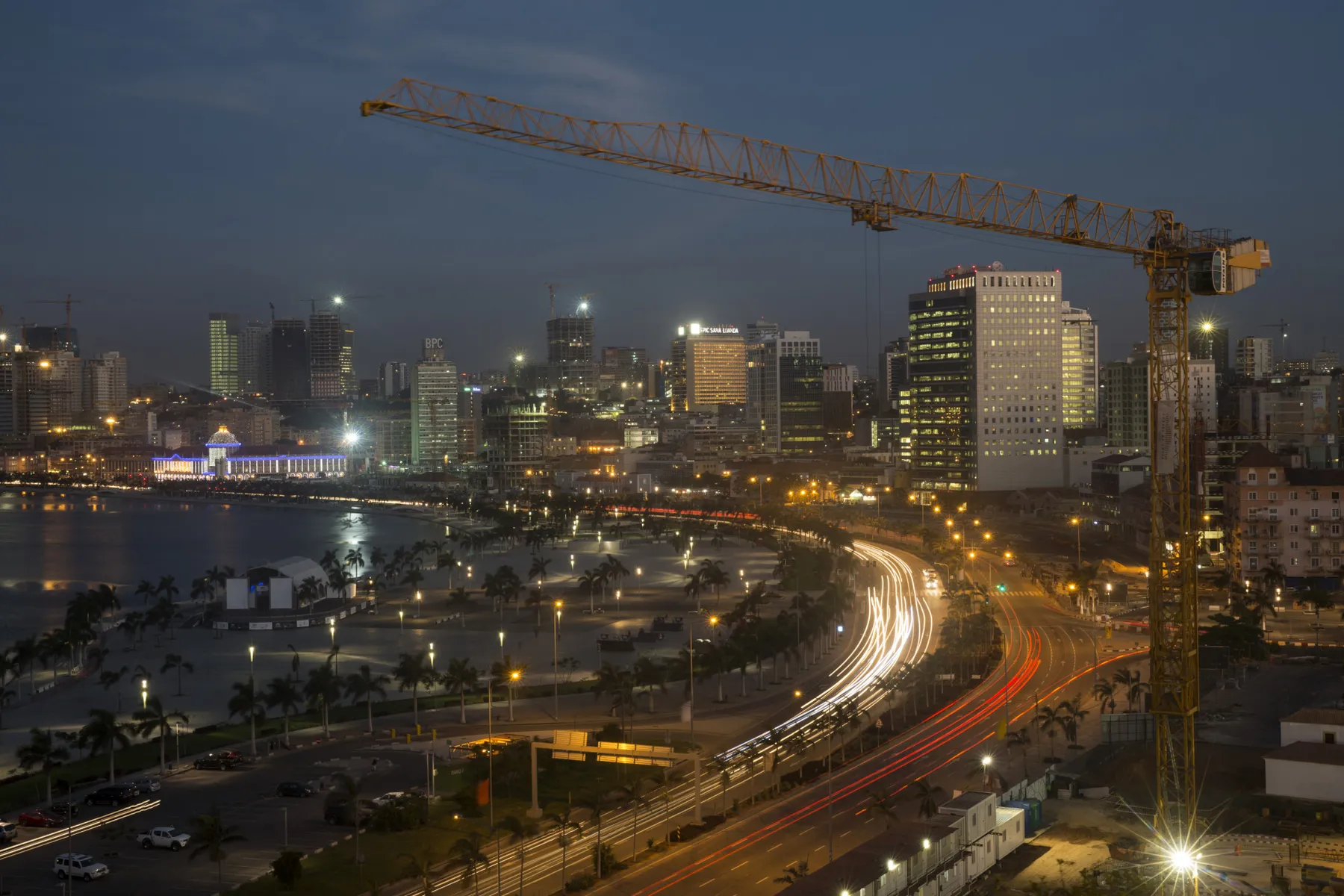
LAGOS, Nov 2 – Angola’s capital, Luanda, is projected to overtake Lagos as Sub-Saharan Africa’s most populous city by 2050, as rapid urbanisation reshapes the region’s major metropolitan centres.
The World Bank’s report, Sub-Saharan Africa’s Urban Awakening: Catalysing Economic Growth and Job Creation, forecasts that Luanda’s population will increase by 78% over the next 25 years, rising from 11.4 million in 2025 to 20.3 million by 2050.
“Over this period, the population of Angola’s capital city, Luanda, is projected to increase by 78 per cent from 11.4 million to 20.3 million. In doing so, Luanda will overtake Lagos as SSA’s most populous city,” the report said.
Lagos is also expected to record substantial population growth, increasing from 12.8 million in 2025 to 16.2 million by 2050, representing an expansion of more than 25%. However, the projection would add 3.4 million residents, considerably fewer than the 8.9 million projected for Luanda.
The World Bank’s estimate for Lagos differs from the Lagos State Government’s own population figure, which places the city’s current population at approximately 22 million.
Other Nigerian cities are also expected to expand significantly. Onitsha’s population is projected to increase from 5.6 million in 2025 to 8.7 million by 2050, a rise of approximately 55.4%. Kano is forecast to record population growth of 31% over the same period, although it is projected to fall out of Sub-Saharan Africa’s 15 most populous cities.
Beyond Nigeria and Angola, the report identifies substantial growth prospects in other African urban centres. Bamako, Mali’s capital, is projected to experience an 80% increase in population over the next 25 years, reaching 7.6 million. Mogadishu, Somalia’s capital, is expected to grow by 64%, bringing both cities into the region’s 15 largest metropolitan areas.
The projections reflect a broader transformation across Sub-Saharan Africa. Between 1975 and 2025, the region’s urban population increased from 170 million to 913 million. By 2050, it is expected to reach 1.7 billion.
The scale of this expansion presents significant economic opportunities, particularly as approximately 15 million young people enter Sub-Saharan Africa’s labour markets each year. The World Bank identifies cities and towns as central to connecting this growing workforce with employment opportunities, linking businesses to markets and supporting productivity growth.
However, the report cautions that the economic benefits of urbanisation have yet to be fully realised. Productivity gains have remained limited, income growth has been slow, and a significant proportion of employment remains informal and low-paid.
The challenge for African governments will therefore extend beyond accommodating expanding urban populations. It will also involve developing the infrastructure, institutions and economic opportunities required to translate urban growth into higher productivity, better-paying employment and sustained economic development.
