
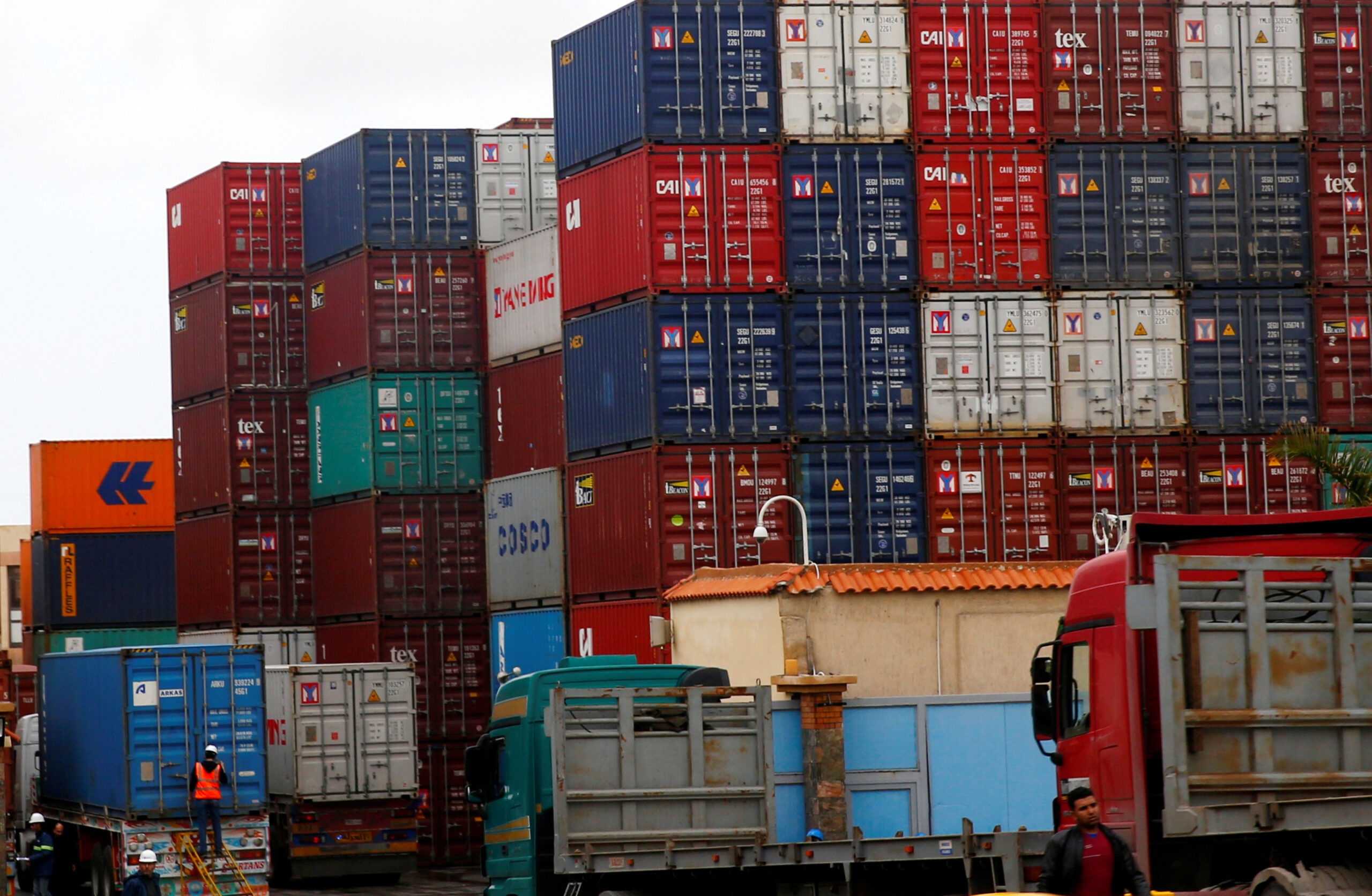
RABAT, June 1 – Morocco’s trade deficit expanded significantly during the first four months of 2026 as stronger import growth outweighed gains in exports, reflecting the impact of higher energy costs and robust domestic demand.
According to data released by Morocco’s foreign exchange regulator, the country’s trade gap increased by 18.4% year-on-year to 127 billion dirhams (approximately $13.8 billion) between January and April.
Total imports reached 296 billion dirhams during the period, representing a 12.7% increase compared with the same period last year. Exports also grew but at a slower pace, rising 8.7% to 169 billion dirhams.
Higher energy costs were among the key drivers of the widening deficit.
Morocco’s energy import bill climbed 12% to 41.8 billion dirhams as fluctuations in global oil markets and geopolitical tensions in the Middle East continued to influence fuel prices.
The increase highlights Morocco’s exposure to international energy markets as a net importer of petroleum products.
Agricultural imports also remained elevated.
Wheat purchases rose to 6.2 billion dirhams, reflecting continued efforts to secure supplies ahead of a government-imposed suspension of wheat imports during June and July aimed at supporting the domestic harvest season.
Despite the widening trade gap, Morocco’s export sector continued to demonstrate resilience.
The automotive industry remained the country’s largest export earner, generating 58.2 billion dirhams in export revenues during the first four months of the year.
The sector, which hosts major manufacturing operations from companies including Renault and Stellantis, recorded export growth of 18.6% compared with the same period in 2025.
Meanwhile, phosphate exports weakened slightly.
Morocco, home to the world’s largest phosphate reserves, reported a 1.5% decline in exports of phosphates and related products, including fertilizers, to 27.1 billion dirhams.
The decline comes after OCP Group announced plans to bring forward scheduled maintenance activities, resulting in a temporary reduction in production levels during the second quarter.
On the external financing front, Morocco continued to benefit from strong inflows from tourism and its diaspora.
Tourism revenues increased by 21.2% to 44.3 billion dirhams, supported by continued growth in international visitor arrivals.
Remittances from Moroccans living abroad also remained strong, rising 9.8% and continuing to serve as an important source of foreign currency earnings for the economy.
However, foreign direct investment inflows declined during the period.
Net FDI stood at 16 billion dirhams, representing a 19.6% decrease compared with the same period a year earlier, highlighting ongoing challenges in attracting international capital amid a more uncertain global investment environment.
The latest figures underscore both the strengths and vulnerabilities of Morocco’s external sector, with strong performances in tourism and automotive exports helping offset pressures from rising import costs and softer investment inflows.
