
RABAT, May 26 – Morocco has moved ahead of South Africa to become Africa’s leading industrial economy, according to newly released industrialization data from the African Development Bank, highlighting a broader shift in the continent’s manufacturing landscape.
The findings were released alongside two reports unveiled during the Bank’s annual meetings in Brazzaville, offering a detailed assessment of industrial progress, investment patterns and value creation across African economies.
The latest Africa Industrialization Index showed that industrial performance improved across much of the continent between 2010 and 2024, with 41 out of 54 African countries recording gains.
Despite progress, the reports noted that industrial development remains uneven, with significant disparities still separating regions and countries.
Morocco’s rise to the top position reflects years of targeted industrial expansion policies, diversification of export industries and movement away from dependence on raw commodity exports toward higher-value manufacturing sectors.
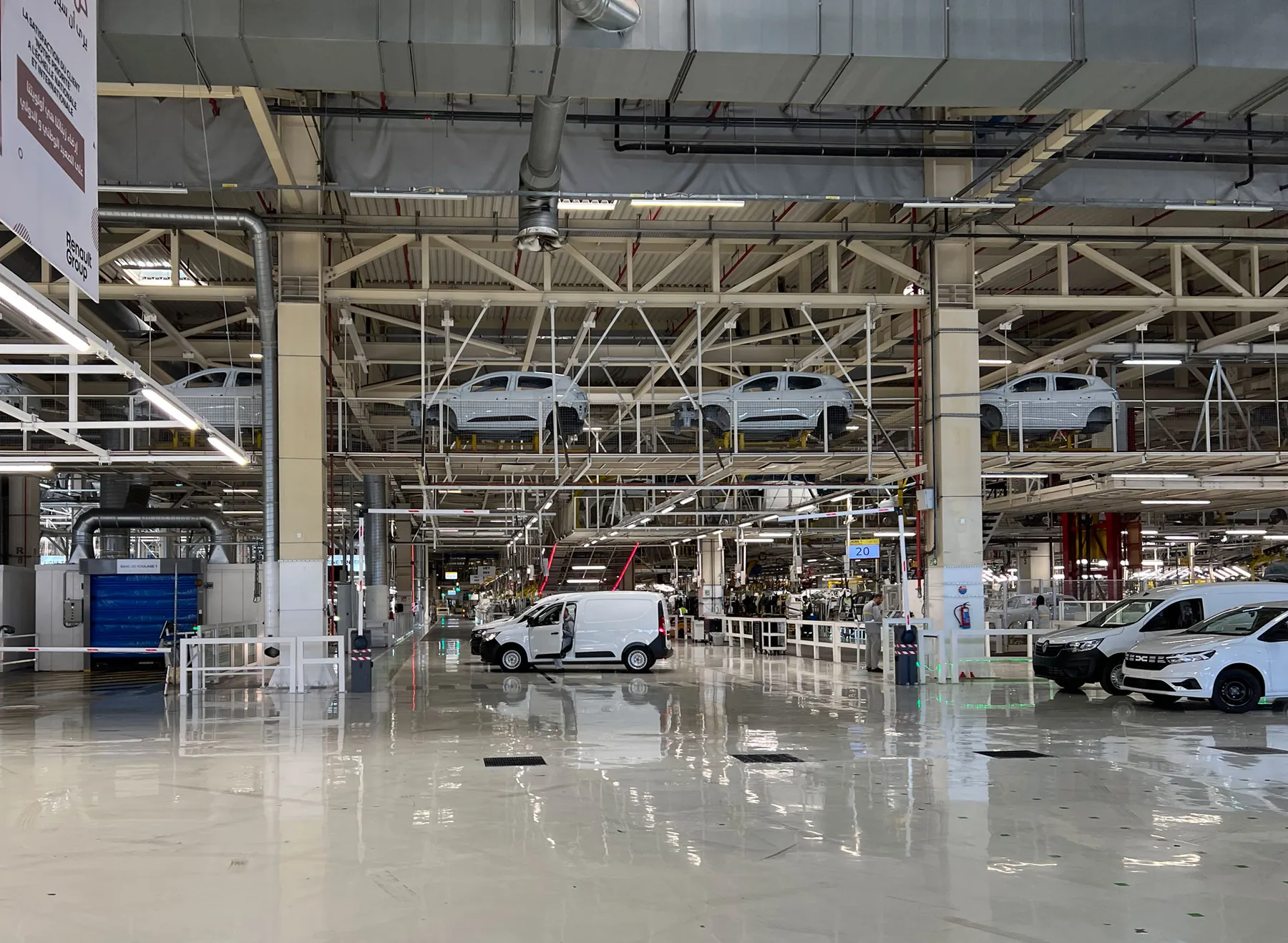
The country has expanded activities across industries including automotive production, aerospace manufacturing and emerging green technologies.
Infrastructure development has also played an important role in strengthening industrial competitiveness.
Large-scale logistics assets such as Tanger Med have helped position Morocco as a major gateway connecting African production networks with European and international markets.
While South Africa continues to remain one of Africa’s largest industrial economies, the report indicated that its competitive position has gradually weakened over time.
The assessment showed that North Africa and Southern Africa continue to dominate manufacturing sophistication and export performance, while several countries in East, West and Central Africa remain at earlier stages of industrial development.
The African Development Bank’s newly introduced industrial investment barometer also highlighted a strong concentration of investment activity in North Africa.
The region attracted approximately 56% of total continental industrial investment between 2020 and 2025, with Morocco and Egypt emerging as major destinations.
The findings also pointed to persistent structural weaknesses across the continent.
Intra-African trade currently accounts for only 14.4% of total trade activity, reflecting fragmented supply chains and weak production linkages between economies.
The reports argued that stronger industrial growth will require improvements in energy access, transport networks, regional integration, technical skills development and long-term financing structures.
They also warned that African industries may need to accelerate decarbonization efforts to avoid future trade challenges associated with carbon-related regulations being introduced by major global economies.
For investors, sectors including agro-processing, fertilizers, construction materials and pharmaceutical manufacturing were identified as areas offering strong long-term opportunities across African markets.
