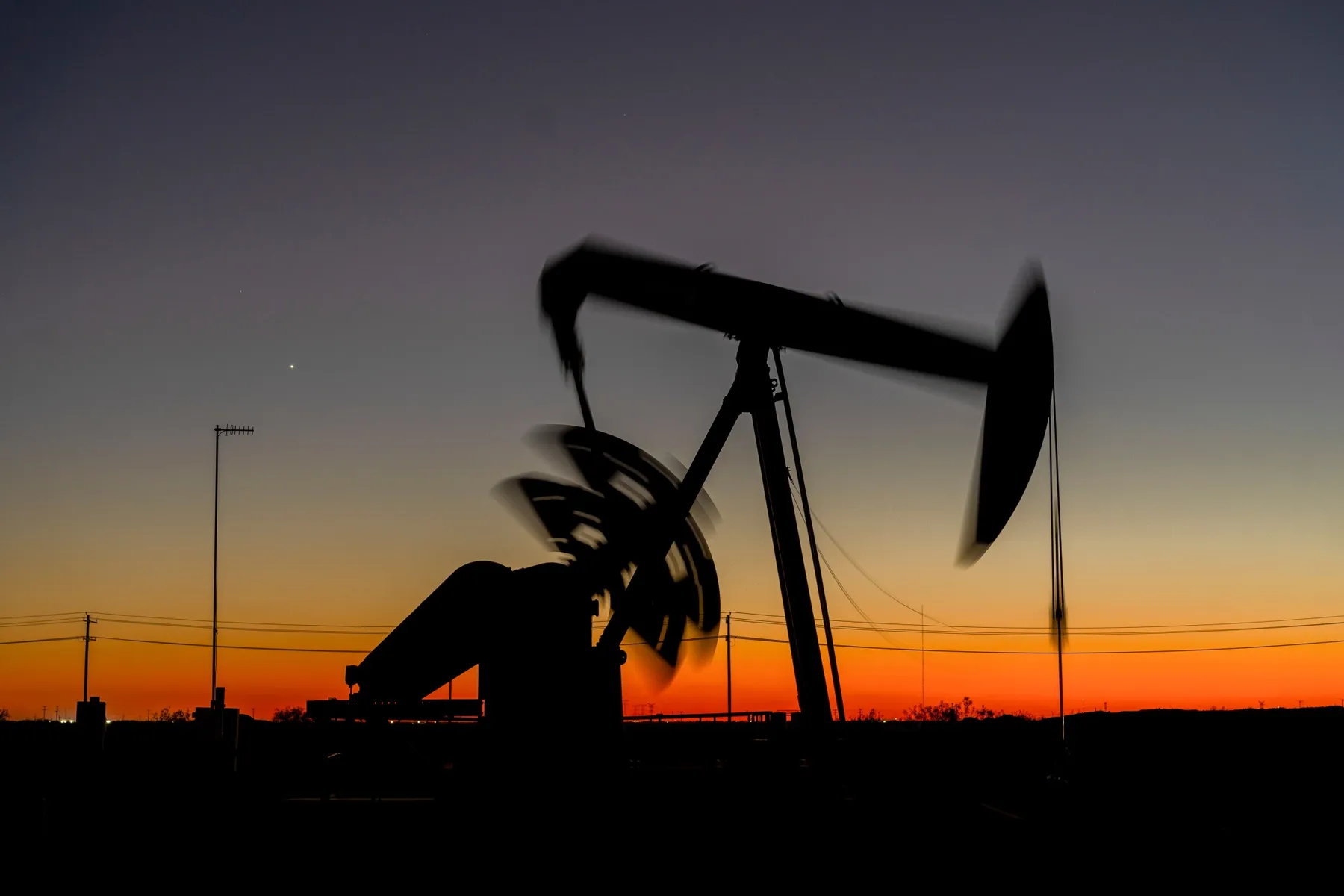
Lagos, May 20 – Nigeria’s indigenous oil producers are accelerating drilling and near-term extraction projects as higher crude prices linked to the Iran conflict generate windfall revenues and strengthen the country’s drive to expand oil output.
Dozens of local small and mid-sized producers, many of which acquired assets previously sold by international oil majors, are increasing investment activity amid supply disruptions tied to the effective closure of the Strait of Hormuz.
The strategic waterway handles roughly one-fifth of global crude oil and liquefied natural gas shipments, with disruptions helping push oil prices above $100 per barrel.
Wisdom Enang, a former manager at Exxon Mobil in Nigeria, said local producers could collectively add between 200,000 and 300,000 barrels per day before the end of the year.
Nigeria’s crude production has already been rising steadily, reaching about 1.6 million barrels per day in April, according to Bloomberg data, marking the country’s strongest monthly production increase in nearly three years.
The production recovery follows reforms introduced by President Bola Tinubu aimed at reviving investment in an industry long affected by oil theft, pipeline vandalism, underinvestment and aging infrastructure.
The reforms include tax incentives, streamlined contract approvals and leadership restructuring at the state-owned oil company.
Still, higher global oil prices remain the biggest immediate driver behind the surge in local investment activity.
Oando Energy Resources, which acquired assets from Eni in 2024, plans to increase production by 30% to 42,500 barrels per day by year-end through new drilling activity.
Chief executive officer Wale Tinubu said the company is accelerating plans to double production over five years in order to capitalize on tightening global supply conditions.
Petralon Energy is also expanding drilling activity after oil prices significantly exceeded the company’s original base-case assumption of $65 per barrel.
Chief executive officer Ahonsi Unuigbe said the company now expects output to rise 56% to 7,500 barrels per day before year-end.
Unuigbe added that higher oil prices have increased investor interest from Middle Eastern financiers and strategic partners.
Meanwhile, Pan Ocean Oil Corp. and Newcross Exploration and Production, which jointly produce about 48,000 barrels per day, have revived two wells since the conflict began and are channeling additional revenue toward expansion projects and debt reduction.
Oluseyi Oladapo, finance director at the joint venture, described the impact of the oil rally as “materially positive.”
Nigeria is Africa’s largest oil producer and relies heavily on crude exports for foreign exchange earnings and government revenues.
The latest investment wave reflects how geopolitical disruptions in global energy markets are reshaping production strategies across Africa’s oil sector.