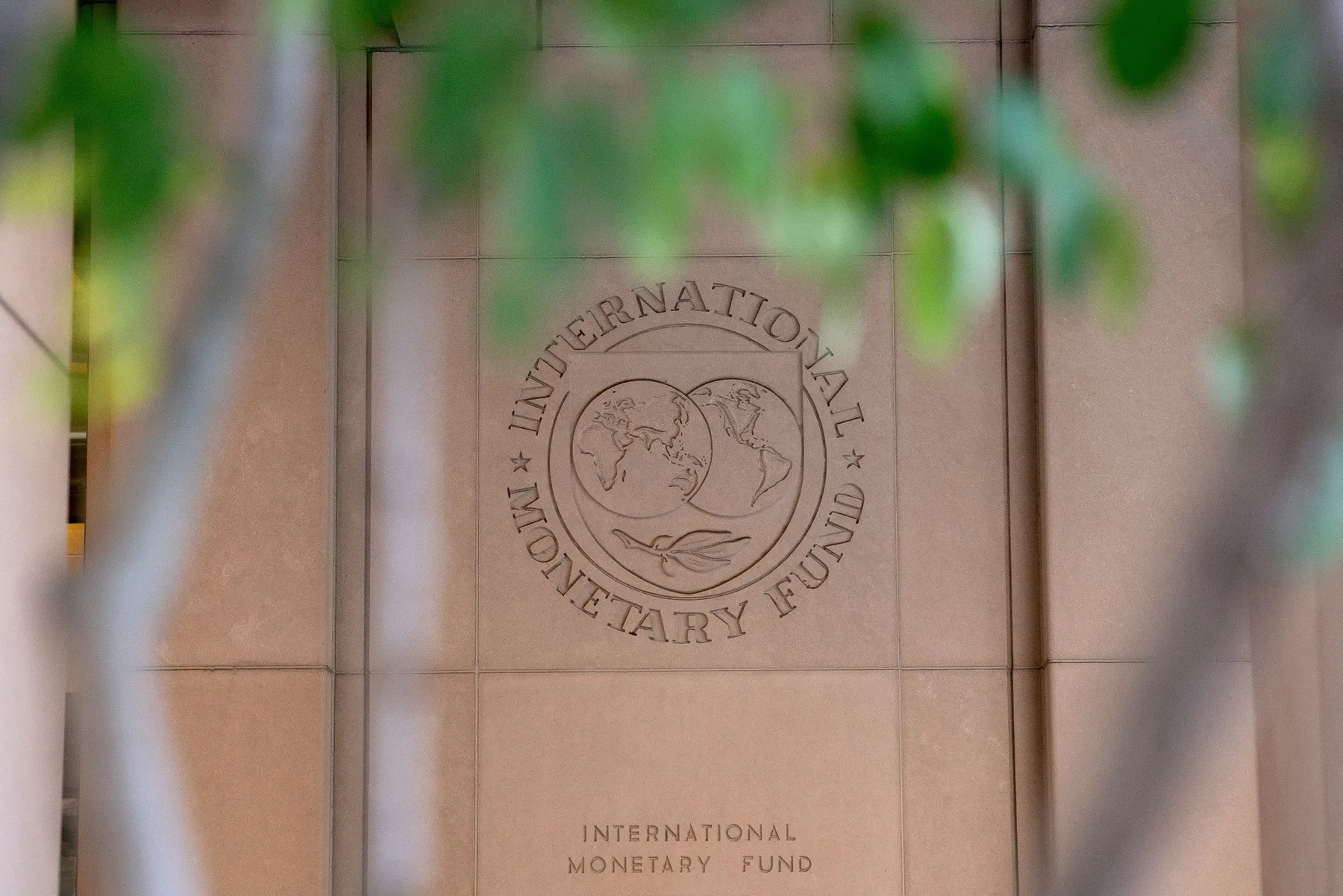
ABIDJAN, May 1 – The International Monetary Fund said on Thursday it has reached a staff-level agreement with Ivory Coast after assessing progress under its reform programs, citing strong economic performance despite mounting global pressures.
The team, led by Geneviève Verdier, concluded discussions with Ivorian authorities following a review of the country’s Extended Fund Facility and Extended Credit Facility arrangements, alongside its Resilience and Sustainability Facility program.
The IMF said fiscal consolidation efforts have been effective, with the budget deficit narrowing to 3% of gross domestic product in 2025, in line with regional targets set by the West African Economic and Monetary Union. The improvement was driven by stronger revenue collection and tighter spending controls.
Authorities have also advanced structural reforms, including consolidating the Treasury Single Account to improve public cash management and strengthening governance frameworks to reduce financial crime risks. Climate-related reforms under the sustainability program are progressing, with measures targeting emissions reduction and the development of a carbon taxation strategy.
The IMF said Ivory Coast’s economy remains resilient despite external shocks linked to geopolitical tensions, particularly the conflict in the Middle East, which has driven up global commodity prices and tightened financial conditions.
Economic growth is projected to ease slightly to 6% in 2026 from 6.5% in 2025 as weaker global demand and investment weigh on activity. Inflation is expected to rise to 3.3% from 0.1%, reflecting higher oil and fertilizer prices as well as supply chain disruptions.
The current account deficit is forecast to widen to 2.2% of GDP in 2026 from 0.7% the previous year, largely due to deteriorating trade conditions. However, strong exports of crude oil and gold, along with improved access to international capital markets, have helped bolster foreign exchange reserves to the equivalent of about eight months of imports as of March.
The IMF warned that the fiscal deficit could exceed the 3% threshold if global conditions worsen, urging authorities to strengthen revenue mobilization while implementing targeted support measures to shield vulnerable populations.
Over the medium term, Ivory Coast aims to increase tax revenue to 18% of GDP through reforms that expand the tax base and improve compliance, helping finance infrastructure and social spending under its national development strategy.
Despite ongoing risks, including geopolitical tensions and climate vulnerabilities, the IMF said the country’s medium-term outlook remains favorable, with growth expected to average 6.7% and inflation stabilizing below regional targets. It added that Ivory Coast remains at a moderate risk of debt distress.
The IMF delegation held talks with senior officials including Vice President Tiémoko Meyliet Koné, Prime Minister Robert Beugré Mambé, and Finance Minister Adama Coulibaly, alongside central bank officials, private sector representatives and development partners.