
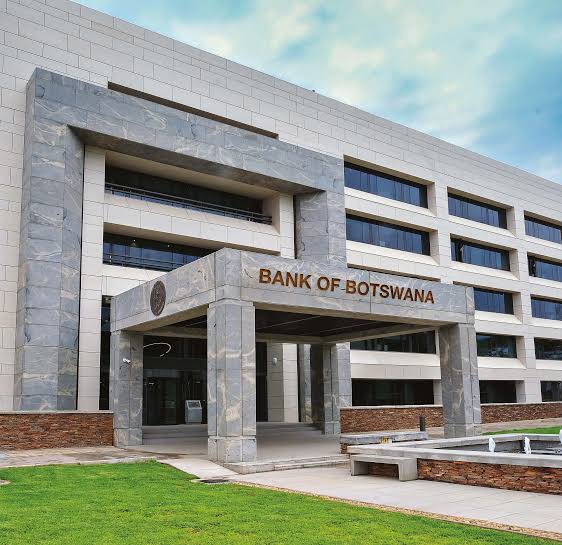
GABORONE, April 30 – Botswana has become the first African central bank to raise interest rates following the global energy shock triggered by the Iran conflict, as inflation is expected to surge sharply in the coming months.
The central bank increased its benchmark rate to 5.5% from 3.5%, with Governor Lesego Moseki warning that price pressures will intensify significantly in the short term.
Inflation is projected to breach the central bank’s target range of 3% to 6% in the second quarter, driven by rising fuel costs, transport fares, and medical aid premiums. The bank now expects inflation to average 8.7% in 2026 before easing to 5.6% in 2027.
Officials also cautioned that risks remain skewed to the upside, particularly as second-round effects from higher fuel prices feed into electricity costs and broader consumer prices.
The surge in inflation is closely tied to disruptions in the Strait of Hormuz, a key route for global oil and gas supplies, following the escalation of the U.S.-Israel conflict with Iran. The resulting spike in energy, food, and fertilizer costs is putting pressure on economies worldwide.
In Botswana, the impact is particularly pronounced due to the heavy weighting of transport costs in the country’s inflation basket. Analysts say this makes the economy more sensitive to fuel price increases than many of its regional peers.
Inflation is expected to jump to as high as 8.9% this month, up from 4.2% in March, marking the highest level in three years.
The rate hike comes at a challenging time for Botswana’s economy, which is already under strain from a downturn in the diamond sector. Diamonds account for about 80% of exports and roughly one-third of government revenue, making the country highly vulnerable to fluctuations in global demand.
Additional pressure is coming from a foot-and-mouth disease outbreak, which has led to restrictions on beef exports to key markets such as the European Union. This is expected to contribute to further food price increases domestically.
Overall, the central bank’s move signals growing concern among policymakers about inflation risks and highlights the broader economic fallout from ongoing geopolitical tensions.
