
NAIROBI, April 1 – Kenya’s efforts to lower the cost of cooking gas have suffered a setback after negotiations with Saudi oil giant Aramco collapsed, halting a planned expansion of the country’s liquefied petroleum gas (LPG) infrastructure.
Energy Cabinet Secretary Opiyo Wandayi told the Senate Energy Committee that a proposed Memorandum of Understanding with Aramco Trading Fujairah FZE was not finalised due to disagreements over key terms.
According to him, both parties failed to reach a compromise, leading to the breakdown of talks.
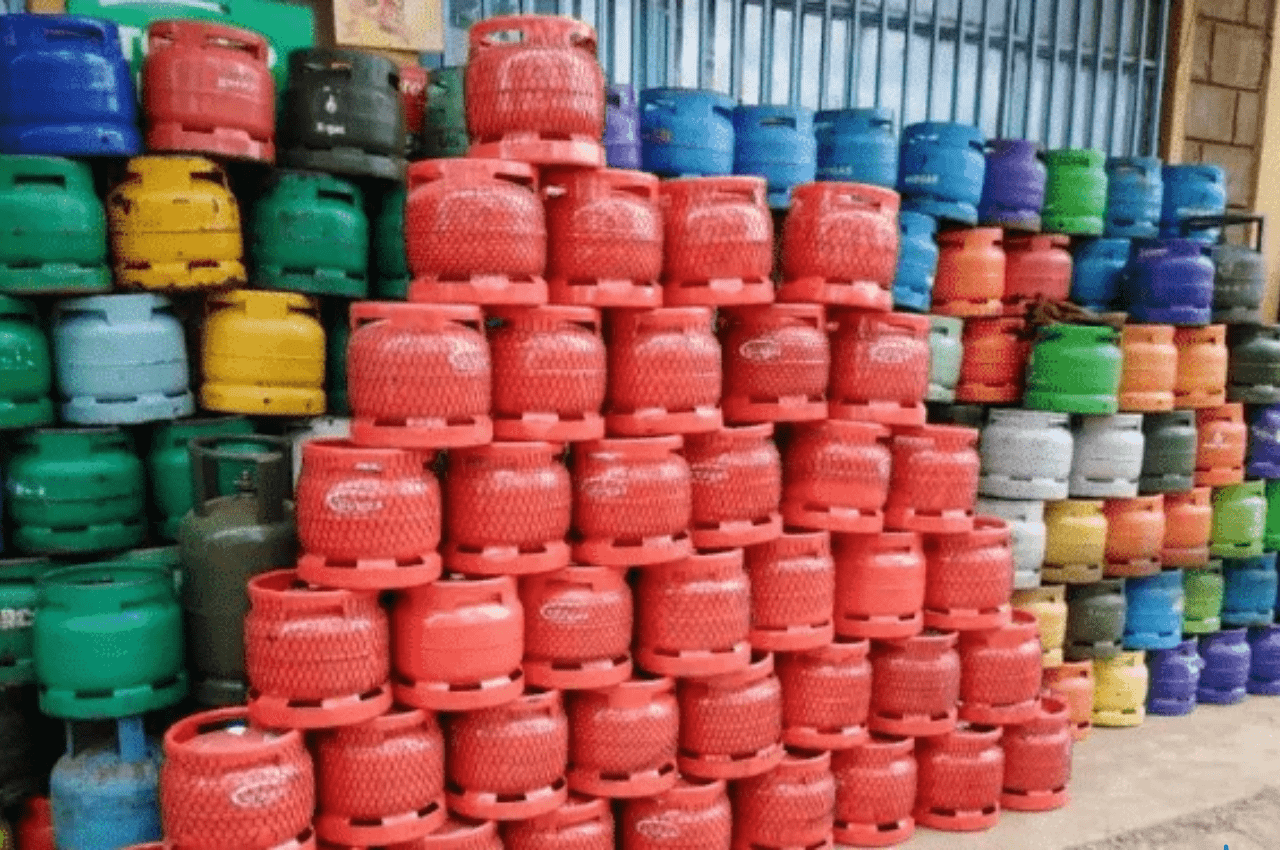
The deal was expected to support the rollout of about 8.4 million LPG cylinders under a Saudi-backed Oil Sustainability Program. It also included a $20 million (KSh2.5 billion) funding package.
However, the government declined the offer after it came with conditions such as exclusive LPG supply rights and phased disbursement terms, which officials described as impractical.
The collapse means a key part of Kenya’s plan to expand access to cleaner and more affordable cooking fuel will not proceed as initially outlined.
The initiative was tied to broader efforts to stabilise prices and deliver on a 2023 pledge to reduce the cost of a 6kg gas cylinder.
Despite the setback, the government says it is exploring alternative options. Authorities have shifted focus toward private sector participation, with requests for proposals already issued and four local firms shortlisted to support cylinder manufacturing.
At the same time, concerns persist within the domestic market. Lawmakers raised issues around the dominance of multinational firms and complaints from small-scale petroleum dealers. The Energy Ministry says it is reviewing allocation quotas and strengthening oversight.
Kenya has, however, expanded its LPG storage capacity since 2022 and continues to rely on existing supply agreements with Gulf-based firms to maintain short-term availability.
