
African Economy Inc.
  • Home
  • Economy
  • Business
  • Markets
  • Finance
  • Credit Ratings
  • Policy
  • Tech
African Economy Inc.
  • Home
  • Economy
  • Business
  • Markets
  • Finance
  • Credit Ratings
  • Policy
  • Tech
Top News
Kenya Construction Activity Gains Momentum as Cement Production and Building Approvals Rise
Absa Group Raises Absa Bank Kenya Stake to 72% Through Share Tender Offer
South Africa Inflation Eases to 4.3% in July, Strengthening Case for Rate Hold
Electricity Bills to Become More Transparent Under New South Africa Policy
Nigeria EFCC Recovers N4.5 Billion Worth of Diesel in Alleged Theft Case
AFDB Says Eight More African Countries Will be Developing Circular Economy Roadmaps
A.P. Moller Capital to Acquire Majority Stake in Moroccan Logistics Firm Globex
Equinor Acquires 17.4% Stake in Namibia’s Orange Basin From Chevron
Mali Gold Production Rises 30% in First Half of 2026 as Mines Rebound
US Lifts 12-Year Port Restriction on Nigerian Vessels, Boosting Maritime Trade Prospects
Ninety One Closes $404 Million Africa Credit Fund as Private Debt Demand Grows
South Africa Business Confidence Rises to 125.4 in July Amid Inflation Pressures
IMF to Resume Senegal Talks as Country Moves Toward New Lending Programme
ExxonMobil Awards $1.1 Billion in Contracts for Mozambique’s Rovuma LNG Project
Nigeria’s ATM Transactions Rises as PoS Volumes Fall by 20%
SUBSCRIBE
African Economy Inc.
Subscribe
African Economy Inc.
  • Home
  • Economy
  • Business
  • Markets
  • Finance
  • Credit Ratings
  • Policy
  • Tech
Copyright 2026 - All Right Reserved
Home » Majority of Nigerians Push for Lower Interest Rates Ahead of Central Bank Meeting
Economy

Majority of Nigerians Push for Lower Interest Rates Ahead of Central Bank Meeting

by Oluebube Elechi May 18, 2026
written by Oluebube Elechi May 18, 2026
FacebookTwitterLinkedinEmail
88

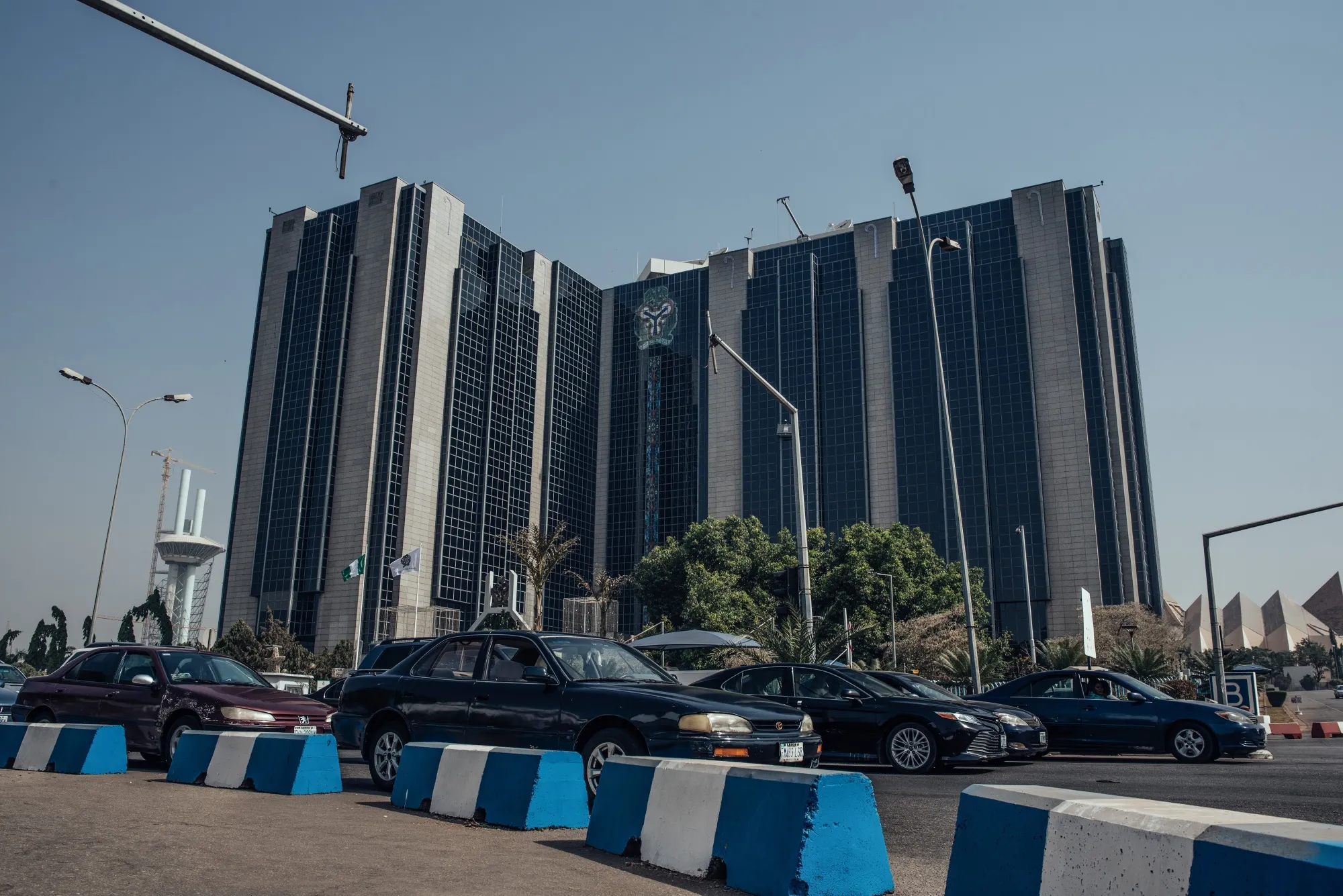
ABUJA, May 18 – Nearly two-thirds of Nigerians want the Central Bank of Nigeria to lower borrowing costs ahead of its next monetary policy decision, highlighting mounting pressure on policymakers as inflation continues to strain households and businesses.

According to the central bank’s April 2026 Inflation Expectations Survey, 63.3% of respondents favored lower interest rates, while 26% preferred rates to remain unchanged and 10.7% supported additional tightening.

The monetary policy committee of the Central Bank of Nigeria will meet on May 19 and May 20 to decide on key lending rates as inflation concerns persist. Nigeria’s benchmark interest rate currently stands at 26.5% following aggressive tightening over the past two years aimed at containing inflation and stabilizing the naira.

The survey, which sampled 3,587 respondents including businesses and households, comes ahead of the central bank’s 305th Monetary Policy Committee meeting as officials weigh persistent inflation, exchange-rate volatility and higher energy costs against slowing economic activity.

You Might Be Interested In
  • IMF Urges Mozambique to Tighten Fiscal Policy as Debt and Financing Risks Mount

Inflation concerns intensified in April, with 67.2% of respondents describing inflation as high, compared with 56.4% a month earlier.

Lower-income households reported the greatest pressure from rising prices. Among Nigerians earning below ₦70,000 ($51) monthly, 77.9% said inflation was high, compared with 46.6% among respondents earning between ₦250,001 ($182) and ₦350,000 ($255).

Micro businesses also recorded elevated inflation concerns, with nearly 70% reporting significant price pressures.

Respondents identified energy costs, transport expenses, exchange-rate weakness, insecurity and infrastructure deficits as the main drivers of inflation.

The findings underscore the difficult balancing act facing the Central Bank of Nigeria as it attempts to stabilize prices while avoiding additional strain on credit growth and private-sector activity.

Despite growing public support for rate cuts, economists largely expect policymakers to maintain a hawkish stance amid persistent inflation risks and uncertainty linked to global energy markets and domestic fiscal spending ahead of the 2027 elections.

Muda Yusuf, chief executive officer of the Centre for the Promotion of Private Enterprise, warned that additional monetary tightening could undermine manufacturing competitiveness and private investment.

He argued that Nigeria’s inflation pressures are primarily supply-driven rather than caused by excess consumer demand.

Research analysts at United Capital Plc also projected that the central bank is likely to keep rates unchanged, citing elevated oil-price risks and persistent domestic inflationary pressures.

The MPC’s upcoming decision will be closely watched by investors and businesses seeking signals on the future direction of borrowing costs in Africa’s largest economy.

Read Next

  • Rwanda Central Bank Raises Policy Rate to 7.25% as Inflation Exceeds Target Range

    February 19, 2026
  • IMF Shares Governance Assessment with Kenya Ahead of Potential New Lending Program

    June 26, 2026
  • Morocco’s Banking Network Shrinks as Conventional Lenders Close 151 Branches in 2025

    July 2, 2026
  • Egypt’s non-oil private sector Expansion Continues Despite Cooling Demand, PMI shows

    February 3, 2026
  • South Sudan Replaces Finance Minister Again as Kiir Names Salvatore Garang

    February 25, 2026

Newsletter

Subscribe to our newsletter for trusted insights on Africa’s economies, markets, and business.

African Economy Inc. Logo

About Us

We are a business and economic intelligence platform delivering in-depth reporting, analysis, and insights on markets, companies and economic developments across Africa.

Our Company

  • AEI Intelligence
  • About
  • Editorial Standard
  • Partnerships
  • Advertise With Us
  • Careers
  • Ownership

News

  • Economy
  • Business
  • Markets
  • Finance
  • Credit Ratings
  • Policy
  • Tech

Useful Links

  • Privacy Policy
  • Terms of Use
  • Closed Captioning Policy
  • Accessibility Statement
  • Personal Information
  • Data Tracking
  • Register New Account

Subscribe Newsletter

Subscribe to our newsletter for trusted insights on Africa’s economies, markets, and business.

©2026 Majons Media Inc. All Rights Reserved.

Facebook Twitter Instagram Linkedin
African Economy Inc.
  • Economy
  • Business
  • Markets
  • Banking & Finance
  • Energy
  • Tech
  • Policy