
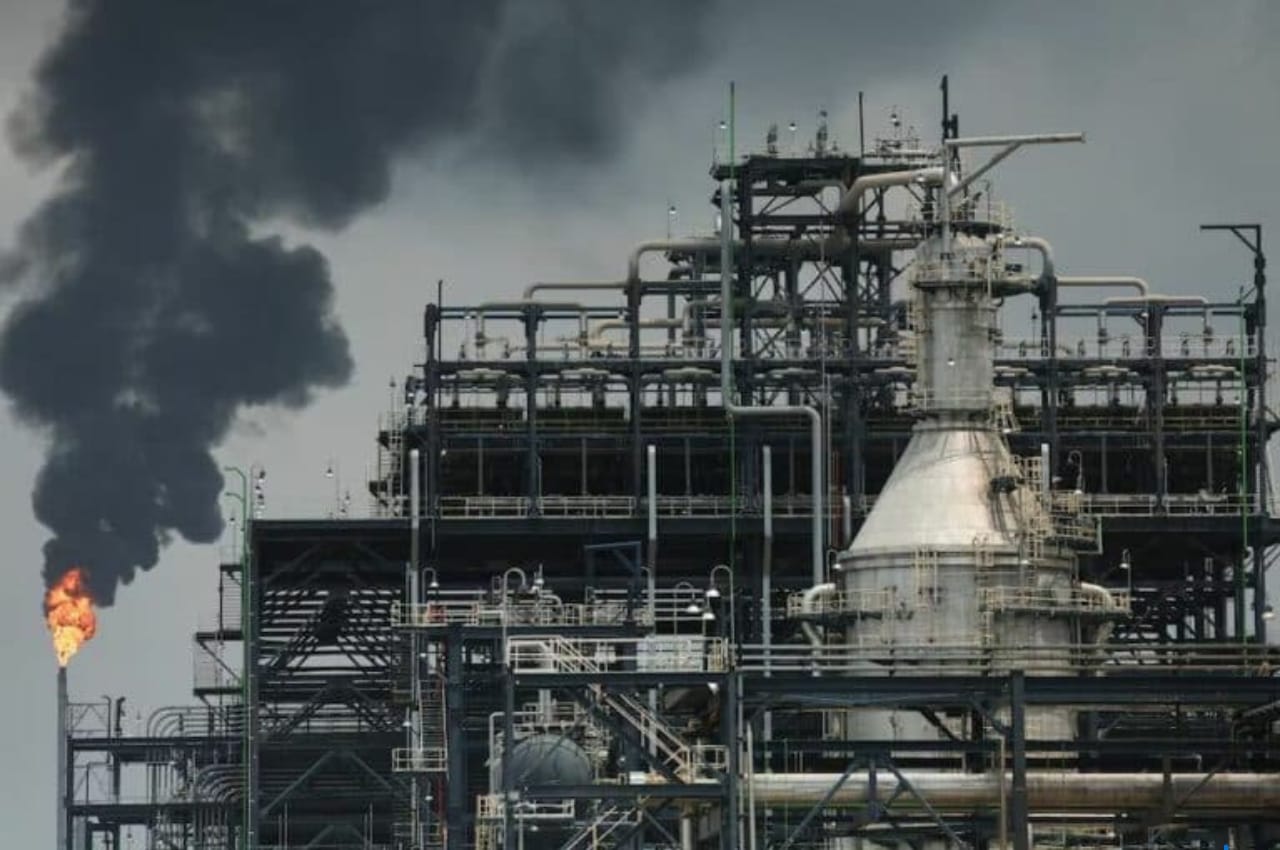
LAGOS, Mar 30 – Fuel prices in Nigeria have climbed to record levels, even as the Dangote Petroleum Refinery operates at full capacity.
The 650,000 barrels-per-day refinery, Africa’s largest, was expected to reduce reliance on imports and stabilise domestic supply. However, industry data shows pump prices have surged by about 65 percent in recent weeks, the sharpest increase among major African economies.
The spike follows supply disruptions linked to the ongoing Middle East conflict, which has pushed global crude prices above 100 dollars per barrel, roughly 50 percent higher than pre-crisis levels. The closure of key shipping routes, including the Strait of Hormuz, has further tightened supply and raised freight and insurance costs.
Despite being Africa’s top oil producer, Nigeria continues to depend on imported crude for refining. Analysts estimate that about 400,000 barrels per day of the country’s output is tied to oil-backed loans and pre-export agreements, limiting local availability.
As a result, the Dangote refinery sources only a fraction of its crude domestically and imports the rest at elevated international prices. The company recently increased its wholesale fuel prices by around 61 percent, pushing pump prices to about 1,400 naira per litre in Lagos and Abuja.
The impact is already spreading across the economy. Transport costs and food prices have risen sharply, while businesses reliant on generators face higher operating expenses due to the country’s unstable power supply.
While some African countries have contained price increases through controls, Nigeria’s market-driven pricing system has allowed the full effect of global trends to pass through to consumers. Government officials have signalled they will maintain this approach, even as calls grow for short-term relief measures.