
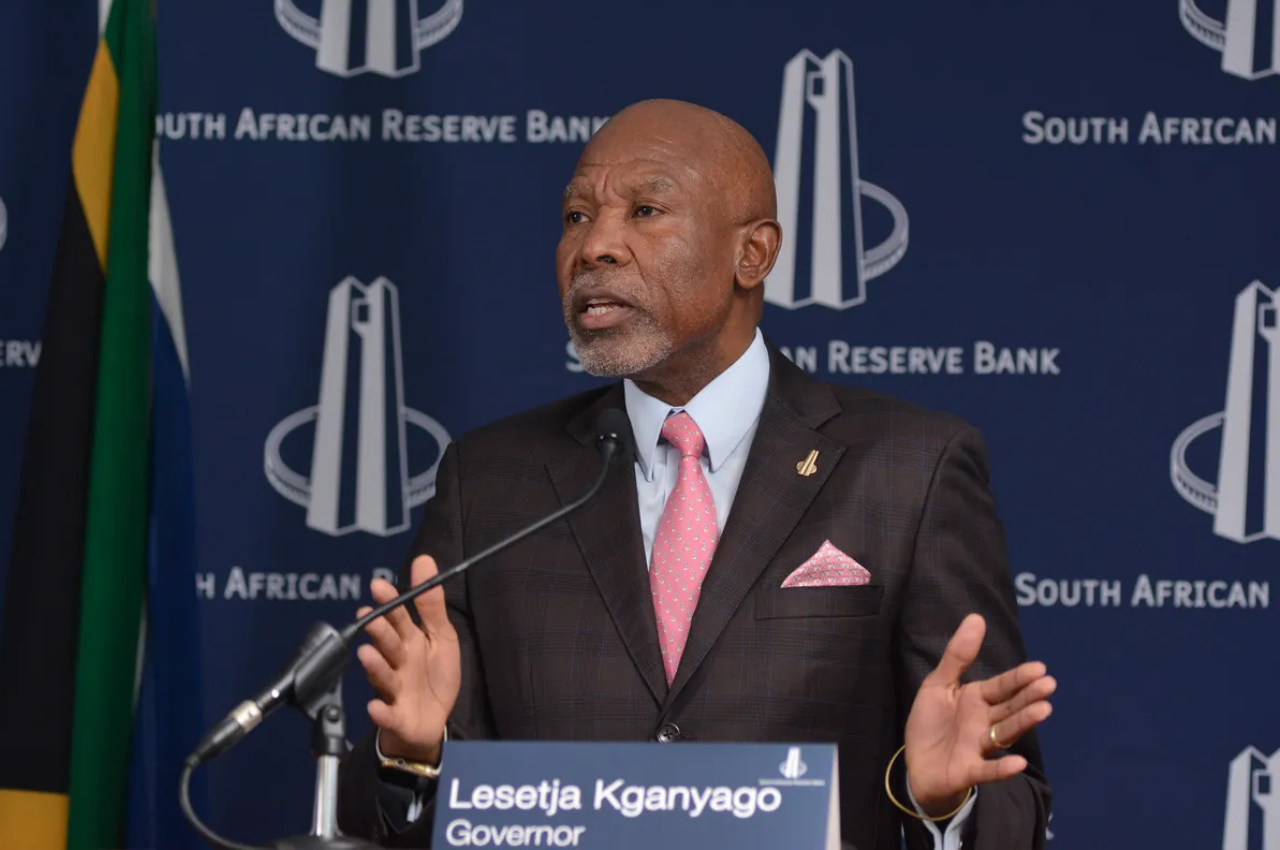
JOHANNESBERG, Mar 16 – South Africa’s short term inflation outlook showed a slight improvement in early 2026, although rising geopolitical tensions are creating fresh uncertainty for policymakers.
According to a survey released Monday by the Bureau for Economic Research (BER), average inflation expectations two years ahead eased to 3.6% in the first quarter, down slightly from 3.7% recorded previously. The survey, which is closely watched by monetary policymakers, collected responses between February 16 and March 5.
The two year expectation gauge is one of the key indicators used by the South African Reserve Bank (SARB) when assessing interest rate decisions. The central bank currently targets inflation at around 3%, and economists widely expect it to keep the benchmark interest rate unchanged at 6.75% when policymakers meet next week.
However, the inflation outlook has become more uncertain following rising tensions in the Middle East. Oil prices have climbed sharply while the South African rand has weakened after the United States and Israel launched military operations against Iran on February 28.
Because South Africa is a net importer of crude oil, higher global energy prices combined with currency depreciation could place upward pressure on domestic costs, particularly for fuel and transport.
The BER survey was published ahead of the release of South Africa’s February consumer price index, which is scheduled for Wednesday. Economists surveyed by Bloomberg expect annual inflation to ease to 3.1%, compared with 3.5% recorded in January.
While inflation expectations remain relatively contained for now, analysts note that developments in global energy markets and exchange rate movements could influence price trends in the months ahead, making the central bank’s policy outlook more cautious.
