
HONG-KONG, Mar 9 – Airline shares across Asia fell on Monday as oil prices climbed sharply and tensions in the Middle East continued to disrupt global air travel.
Crude prices rose about 20 percent in early trading, reaching their highest level since July 2022, as the conflict involving the United States, Israel and Iran raised concerns about energy supply and transport routes. The rising cost of fuel is adding pressure on airlines that are already adjusting flight paths due to restricted airspace in the region.
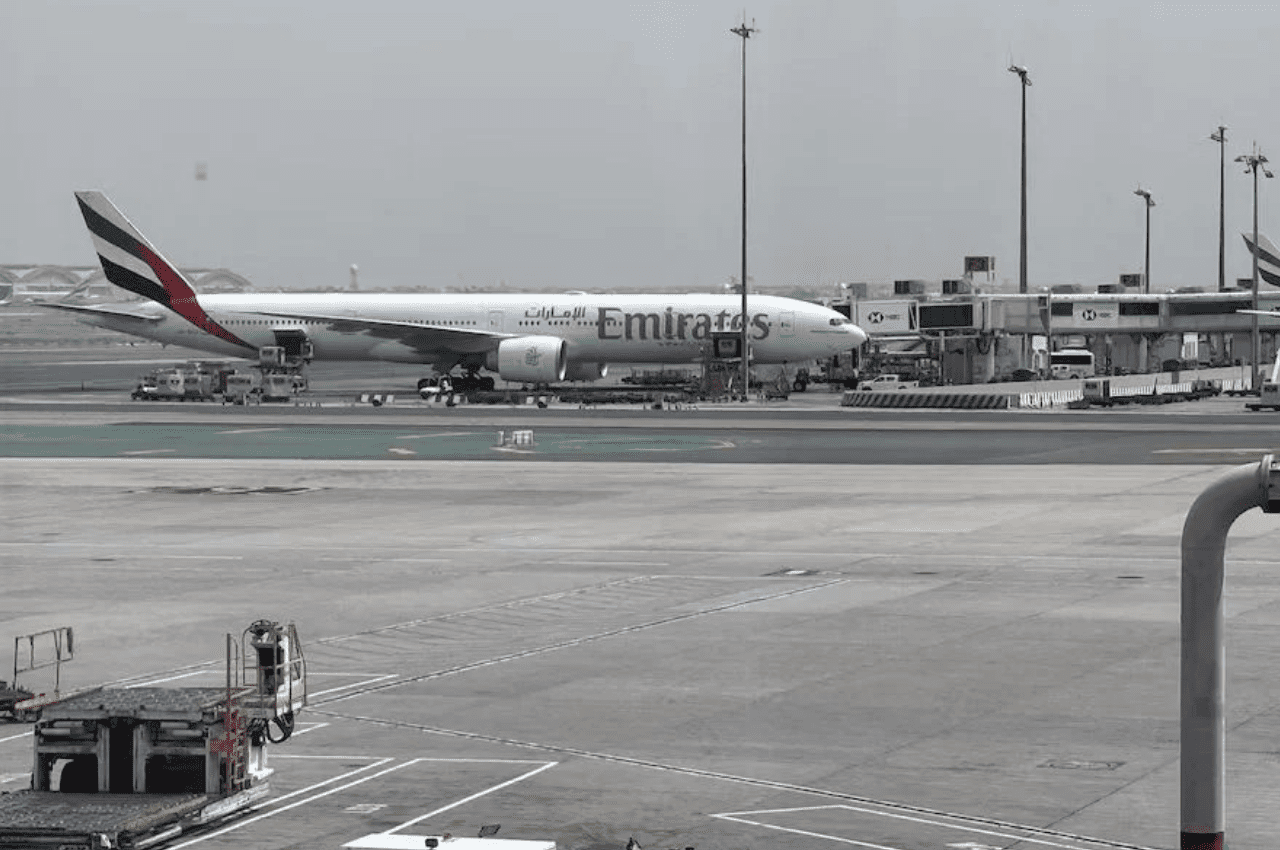
Since February 28, more than 37,000 flights to and from the Middle East have been cancelled, according to aviation data firm Cirium. The closures have forced carriers to reroute aircraft, carry additional fuel or make extra stops to maintain safer flight corridors.
Travel disruptions have also left thousands of passengers searching for alternative routes out of affected areas. Some travelers have turned to private charters or overland trips to nearby countries as commercial flights remain limited.
Airline stocks reflected the growing uncertainty. Shares in Qantas Airways, Air New Zealand, Cathay Pacific, Japan Airlines and Korean Air fell between 4 percent and more than 10 percent. Indian carriers IndiGo and SpiceJet also recorded losses during Monday trading.
Fuel typically accounts for between 20 and 25 percent of airline operating costs. Analysts say the recent surge in crude prices could push jet fuel costs even higher, especially as longer flight routes increase fuel consumption.
The disruptions are being closely watched across Africa as well, where many long haul routes to Europe and Asia rely on Middle Eastern hubs such as Dubai, Doha and Abu Dhabi for passenger connections.
