– Business, Finance, Markets & Economic News
  • Home
  • Economy
  • Business
  • Markets
  • Finance
  • Credit Ratings
  • Policy
  • Tech
– Business, Finance, Markets & Economic News
  • Home
  • Economy
  • Business
  • Markets
  • Finance
  • Credit Ratings
  • Policy
  • Tech
Top News
India Probes Surge in Soybean Imports Declared as Niger Origin Amid Tariff Concerns
Absa Becomes Africa’s First Bank to Launch Institutional Digital-Asset Custody
Kenya’s Private Sector Returns to Growth as PMI Rises to 51.3 in September
African Union to Launch Africa Credit Rating Agency in Mauritius This Week
South Africa’s Private Sector Contracts at Fastest Pace Since December as New Orders Fall
OPEC+ Holds November Oil Output Steady at 31.01 Million Barrels per Day
South Africa Presses ICTSI Over Durban Port Delays as Vessel Wait Times Surge
IMF Says Cameroon Growth Outlook Weakens as Debt Distress Risk Remains High
Cameroon Secures $391 Million World Bank Loan for Douala-Bangui Economic Corridor
Nigeria Domestic Gas Supply Exceeds 2 billion cubic feet per day as Output Expansion Grows
Egypt, South Africa Launch Joint Business Council to Boost Trade and Investment
Dangote’s $16 Billion Lamu Refinery Faces Fresh Legal Challenge
Ghana Awards 5G Spectrum License to Telecel as Government Ends Exclusive Wholesale Model
Airtel Money Sets London IPO Price at £1.96, Valuing Business at $7 Billion
IFC Targets New Financing Platforms to Mobilize Private Capital in Nigeria
SUBSCRIBE
– Business, Finance, Markets & Economic News
Subscribe
– Business, Finance, Markets & Economic News
  • Home
  • Economy
  • Business
  • Markets
  • Finance
  • Credit Ratings
  • Policy
  • Tech
Copyright 2026 - All Right Reserved
Home » Development Finance » African Governments Increasingly Turn to Multilateral Lenders as Debt Risks Persist, S&P Says
Development Finance

African Governments Increasingly Turn to Multilateral Lenders as Debt Risks Persist, S&P Says

by Emmanuel Ebube February 24, 2026
written by Emmanuel Ebube February 24, 2026
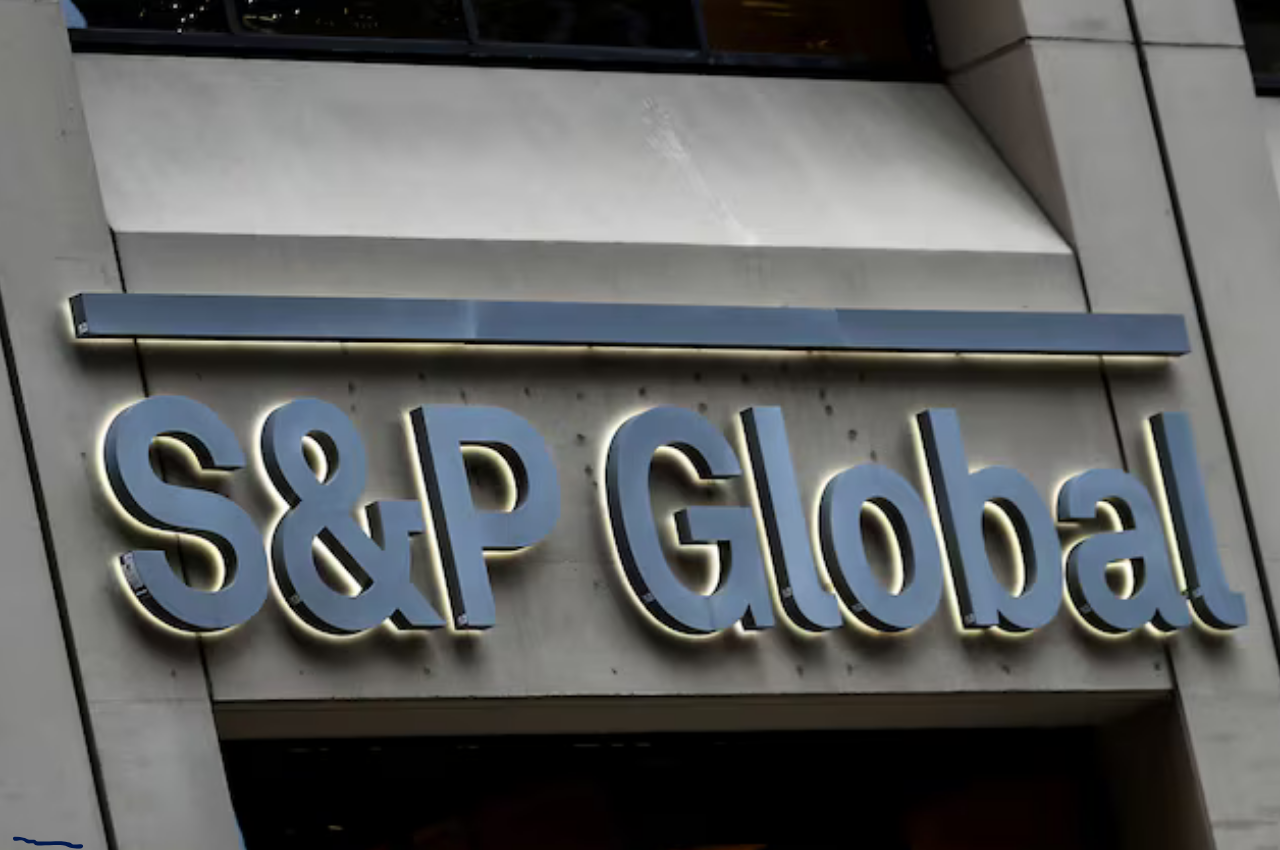
S&P Global
FacebookTwitterLinkedinEmail
182

JOHANNESBURG, Feb 24 – African governments are expected to deepen their reliance on multilateral lenders and accelerate economic reforms in 2026 as debt vulnerabilities continue to constrain fiscal flexibility, according to S&P Global Ratings.

Samira Mensah, S&P’s Head of National Ratings and Analytics for Africa, said more than 20 countries across the continent face elevated debt risks or severe fiscal vulnerabilities, citing data from the International Monetary Fund. These pressures are pushing governments to seek more stable and predictable financing sources while strengthening economic resilience.

The shift comes as many African economies confront the structural risks associated with foreign currency borrowing, particularly Eurobonds, which expose sovereign balance sheets to exchange rate volatility and external shocks.

Despite these challenges, sovereign bond issuance in sub-Saharan Africa has rebounded strongly. Countries including Benin, Kenya, and Côte d’Ivoire have collectively raised approximately $6 billion in international debt markets this year, supported by easing borrowing costs and renewed investor appetite. Additional issuances are expected, including the Democratic Republic of Congo’s planned debut Eurobond offering.

You Might Be Interested In
  • AfDB Says West Africa Needs Up to $100 Billion a Year to Meet Development Goals

Reform Momentum Supports Credit Improvements

S&P noted that sovereign credit performance across Africa showed mixed trends in recent years. Seven sovereign upgrades recorded in 2025 were largely driven by stronger economic growth prospects and reform implementation. However, some countries experienced downgrades or negative outlook adjustments due to policy setbacks and macroeconomic shocks.

Outlook revisions remain slightly skewed toward the negative, reflecting fiscal uncertainty in countries such as Senegal, Mozambique, and Madagascar. Conversely, South Africa’s outlook has improved, supported by reform momentum and efforts to address structural economic challenges.

Nigeria, Africa’s largest economy, was highlighted as a key reform case. While debt servicing costs remain high, structural reforms and policy adjustments are beginning to stabilize fiscal conditions and restore investor confidence.

Multilateral Institutions Emerging as Strategic Financing Partners

Multilateral development institutions are becoming increasingly central to Africa’s sovereign financing strategies. These institutions offer access to lower-cost funding and longer repayment periods compared with private capital markets, providing a more sustainable financing pathway for countries managing high debt burdens.

According to S&P, recent adjustments to multilateral lending criteria could unlock substantial additional funding capacity globally. These changes may enable between $600 billion and $800 billion in new sovereign lending worldwide, with Africa potentially securing between $90 billion and $120 billion based on proportional allocation estimates.

This expanded lending capacity could significantly improve liquidity conditions for African economies, particularly those facing limited access to international bond markets.

Eurobond Markets Remain Selectively Accessible

Although multilateral financing is becoming more prominent, African governments are not abandoning international debt markets. Instead, sovereigns are taking a more selective and strategic approach to bond issuance, balancing market opportunities with fiscal sustainability considerations.

The average cost of sovereign borrowing in Africa declined to approximately 7.7% in 2025, representing an improvement of about one percentage point compared with the previous year. However, borrowing conditions remain uneven, with weaker-rated sovereigns still facing elevated financing costs and constrained market access.

Structural Shift in Sovereign Financing Strategy

Africa’s evolving financing strategy reflects a broader structural shift toward diversified funding sources and reduced dependence on volatile external capital markets.

By combining multilateral financing, fiscal reforms, and selective market participation, governments are seeking to strengthen financial stability and reduce exposure to global economic volatility.

The transition toward more stable and concessional financing sources is expected to play a critical role in supporting long-term economic resilience, particularly as African economies navigate currency pressures, debt servicing obligations, and global financial uncertainty.
Read Next

  • Bank Al-Maghrib Says Morocco’s Financial System Remains Resilient in 2025

    July 9, 2026
  • South African Rand Strengthens Ahead of 2026 Budget Presentation

    February 25, 2026
  • West Africa Advances Plans for Regional Fuel Pricing and Trading Hub

    August 11, 2026
  • Eskom Profit More Than Doubles to $1.88 Billion as South Africa’s Power Supply Stabilises

    August 31, 2026
  • Egypt Dominates Africa’s Sukuk Market With 48% Share as Issuance Tops $7 Billion

    August 26, 2026

Newsletter

Subscribe to our newsletter for trusted insights on Africa’s economies, markets, and business.

African Economy Inc. Logo

About Us

We are a business and economic intelligence platform delivering in-depth reporting, analysis, and insights on markets, companies and economic developments across Africa.

Our Company

  • AEI Intelligence
  • About
  • Editorial Standard
  • Partnerships
  • Advertise With Us
  • Careers
  • Ownership

News

  • Economy
  • Business
  • Markets
  • Finance
  • Credit Ratings
  • Policy
  • Tech

Useful Links

  • Privacy Policy
  • Terms of Use
  • Closed Captioning Policy
  • Accessibility Statement
  • Personal Information
  • Data Tracking
  • Register New Account

Subscribe Newsletter

Subscribe to our newsletter for trusted insights on Africa’s economies, markets, and business.

©2026 Majons Media Inc. All Rights Reserved.

Facebook Twitter Instagram Linkedin
Manage Consent
To provide the best experiences, we use technologies like cookies to store and/or access device information. Consenting to these technologies will allow us to process data such as browsing behavior or unique IDs on this site. Not consenting or withdrawing consent, may adversely affect certain features and functions.
Functional Always active
The technical storage or access is strictly necessary for the legitimate purpose of enabling the use of a specific service explicitly requested by the subscriber or user, or for the sole purpose of carrying out the transmission of a communication over an electronic communications network.
Preferences
The technical storage or access is necessary for the legitimate purpose of storing preferences that are not requested by the subscriber or user.
Statistics
The technical storage or access that is used exclusively for statistical purposes. The technical storage or access that is used exclusively for anonymous statistical purposes. Without a subpoena, voluntary compliance on the part of your Internet Service Provider, or additional records from a third party, information stored or retrieved for this purpose alone cannot usually be used to identify you.
Marketing
The technical storage or access is required to create user profiles to send advertising, or to track the user on a website or across several websites for similar marketing purposes.
  • Manage options
  • Manage services
  • Manage {vendor_count} vendors
  • Read more about these purposes
View preferences
  • {title}
  • {title}
  • {title}
– Business, Finance, Markets & Economic News
  • Economy
  • Business
  • Markets
  • Banking & Finance
  • Energy
  • Tech
  • Policy