
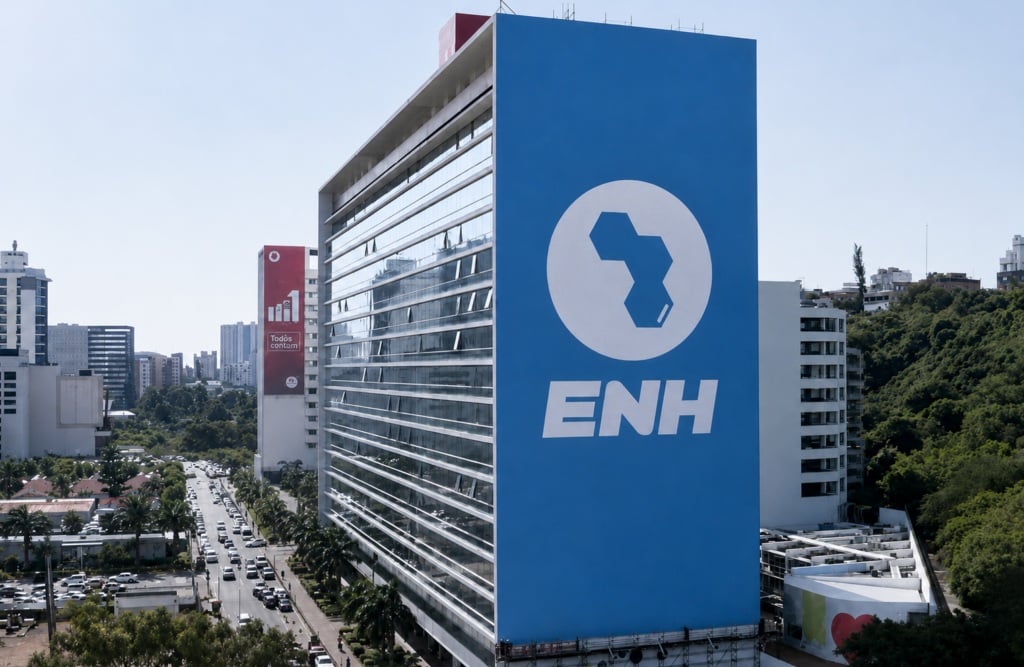
MAPUTO, Oct 19 – Mozambique’s state-owned oil company Empresa Nacional de Hidrocarbonetos (ENH) is in discussions with potential investors, including South Africa’s Sasol and pipeline operator ROMPCO, over a proposed $250 million natural gas project as the country seeks to strengthen its position as a regional energy supplier.
The project would develop floating storage and regasification units (FSRUs) at Inhassoro and the Port of Beira, alongside a 140-kilometre pipeline connecting the facilities to the existing ROMPCO pipeline. The network transports gas from Mozambique to South Africa’s Secunda industrial complex.
The proposed infrastructure is intended to support future gas supplies as production from the Pande and Temane fields, which currently supply South Africa through Sasol’s operations, is expected to decline within the next few years.
Mozambique has substantial additional gas resources in the offshore Rovuma Basin, where international energy companies are developing major liquefied natural gas (LNG) projects.
Infrastructure targeted for 2030 or 2031
ENH chief executive and chairman Rudencio Morais said the company wanted the proposed infrastructure operational in line with the expected development of Mozambique’s wider gas industry.
“We want our infrastructure by 2030 or 2031, in step with Mozambique LNG, Rovuma LNG and Coral North,” Morais told Reuters.
ENH is part of a group of state-owned companies that received an exclusive 30-year concession last year to build and operate natural gas facilities in Mozambique.
The proposed project would add infrastructure for receiving and regasifying LNG, alongside pipeline connections to existing regional gas transportation networks. Floating storage and regasification units can receive LNG shipments and convert the fuel back into gas for distribution.
Connecting the facilities to ROMPCO would provide a link to South Africa’s established gas transmission network and could help diversify supply options as existing production declines.
Sasol said it would be premature to speculate on the nature or scale of any potential investment as it sought alternative sources of gas.
Mozambique seeks regional energy role
Morais said Mozambique aimed to become a regional “power hub”, supplying energy to neighbouring markets facing electricity shortages.
The ambition comes as several countries in Southern Africa face constraints in electricity generation and energy supply. Additional gas infrastructure could support industrial demand and potentially contribute to regional power generation, depending on the projects developed and the allocation of available gas, “Mozambique is going to become what we call the power hub,” he said.
Mozambique is also advancing major LNG developments in the Rovuma Basin involving TotalEnergies, ExxonMobil and Eni. Much of the gas from these projects is intended for international markets, although regulatory changes are increasing the emphasis on domestic supply.
New petroleum laws that took effect in June require at least 25% of oil and gas production, explicitly including LNG, to be allocated to the domestic market.
The requirement is intended to ensure that a greater share of the country’s hydrocarbon resources supports domestic energy needs and economic development. The proposed Beira and Inhassoro infrastructure could form part of the wider system needed to move gas into regional and domestic markets.
Future gas supplies for South Africa
The project is particularly relevant to South Africa, which relies on Mozambique for gas supplied through Sasol’s Pande and Temane operations. Expected depletion of those fields within a few years is creating pressure to identify alternative supplies.
Mozambique’s offshore resources offer a potential source of future gas, but developing new infrastructure will require investment, project execution and coordination between producers, pipeline operators and prospective buyers.
The proposed $250 million project remains under discussion, and the participation of Sasol and ROMPCO has not been finalised. Its eventual scale and commercial structure will depend on the outcome of investor negotiations and the development of the wider gas market.
If completed on the proposed timeline, the infrastructure could help connect Mozambique’s gas resources to established regional transmission systems while giving South Africa additional options for meeting future demand.
For Mozambique, the initiative represents an effort to convert its substantial gas resources into regional energy infrastructure and economic activity. Its success will depend on whether the country can align new facilities with production timelines, secure investment and establish commercially viable supply arrangements.
