
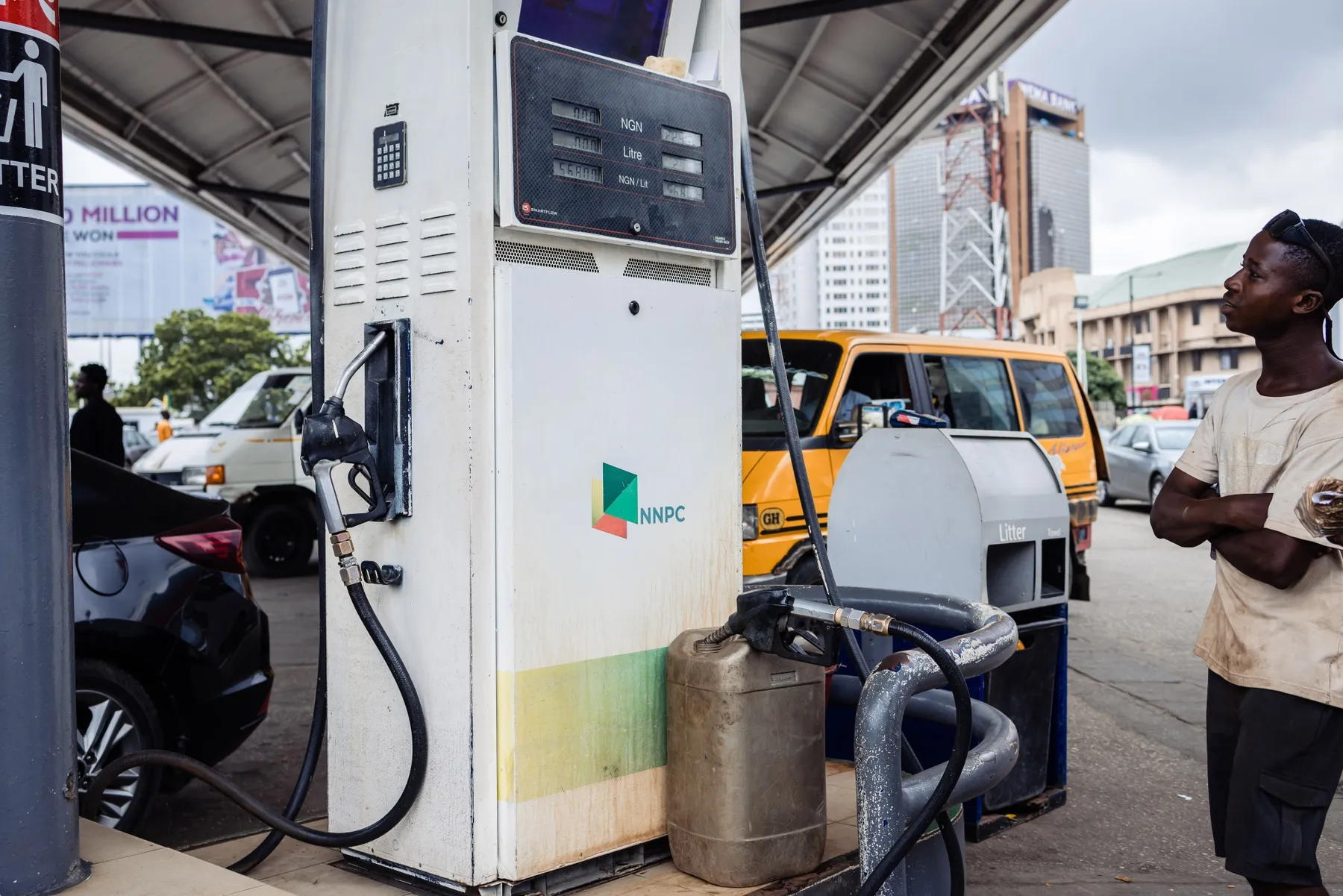
LAGOS, Sept 26 – Nigeria’s domestic petrol supply increased sharply in August as locally produced fuel accounted for about 71% of total petrol receipts, reinforcing the growing role of domestic refining in the country’s fuel market.
Nigeria received an average of 35.9 million litres of domestically produced petrol per day during the month, compared with 14.6 million litres per day imported from overseas, according to data from the Nigerian Midstream and Downstream Petroleum Regulatory Authority.
Domestic petrol receipts rose 39% from 25.8 million litres per day in July, while imports declined 26% from 19.7 million litres per day.
The shift means locally produced petrol supplied roughly seven out of every 10 litres received by the Nigerian market in August, while imported products accounted for the remaining 29%.
Almost all of the domestic supply came from Dangote Petroleum Refinery, whose 700,000-barrel-per-day facility supplied an average of 35.87 million litres of petrol per day to the Nigerian market, according to the regulator’s August data.
The figures highlight the changing structure of Nigeria’s downstream petroleum market since the $20 billion refinery began producing petrol at commercial scale.
For decades, Nigeria exported crude oil while relying heavily on imported petrol, diesel and other refined products because domestic refining capacity was insufficient to meet consumption. The expansion of Dangote’s refinery is beginning to alter that pattern by increasing the share of refined products supplied from within the country.
Total petrol receipts rose 11% to 50.5 million litres per day in August, from 45.5 million litres per day in July, despite the decline in imports.
Dangote Petroleum Refinery also exported an average of 9.73 million litres of petrol per day during August, according to figures from the regulator’s factsheet. The combination of domestic supply and exports indicates that the refinery is increasingly serving both the Nigerian market and customers outside the country.
The shift comes amid continuing debate over the role of imported petrol in Nigeria’s downstream market. Dangote has argued that substantial imports can constrain the ability of domestic refineries to operate at full capacity, while petroleum marketers have maintained that imports remain important for competition and security of supply.
Refining activity expands
Nigeria’s domestic refining sector also received more crude in August. Crude receipts by domestic refineries increased 17% to 683,000 barrels per day, from 585,000 barrels per day in July.
Between January and August, Nigerian refineries received a combined 137.98 million barrels of crude feedstock, with domestic crude accounting for almost 80% of the total.
The increase in crude supply comes as domestic refining capacity expands and operators seek greater access to feedstock to sustain production.
Petrol consumption, measured by volumes trucked into the domestic market, moved in the opposite direction. Volumes fell 14% to 41.5 million litres per day in August, from 48.3 million litres per day in July.
Diesel imports recorded an even steeper decline, falling 84% to 1.3 million litres per day during the month.
The data point to a broader adjustment in Nigeria’s petroleum supply chain, with domestic refining taking a larger share of the market while reliance on imported refined products declines.
For Dangote Petroleum Refinery, the combination of rising domestic supply and exports provides two outlets for increasing production as the facility scales up. The domestic market offers a large base of demand, while exports provide access to regional and international markets.
The shift also marks a significant change in Nigeria’s longstanding petroleum trade structure, in which the country exported crude oil but imported much of the refined fuel required by its domestic economy.
