
JOHANNESBURG, Aug 17 – South Africa is investing heavily in renewable energy to meet rising electricity demand and lower energy costs, but a shortage of transmission lines could slow down its plans.
President Cyril Ramaphosa last month opened a 155-megawatt wind farm in Mpumalanga, describing the project as part of the country’s move towards cleaner energy.
South Africa plans to add about 105 gigawatts of new power capacity by 2039, including wind, solar and nuclear power. The new capacity would more than double the country’s current electricity generation capacity.
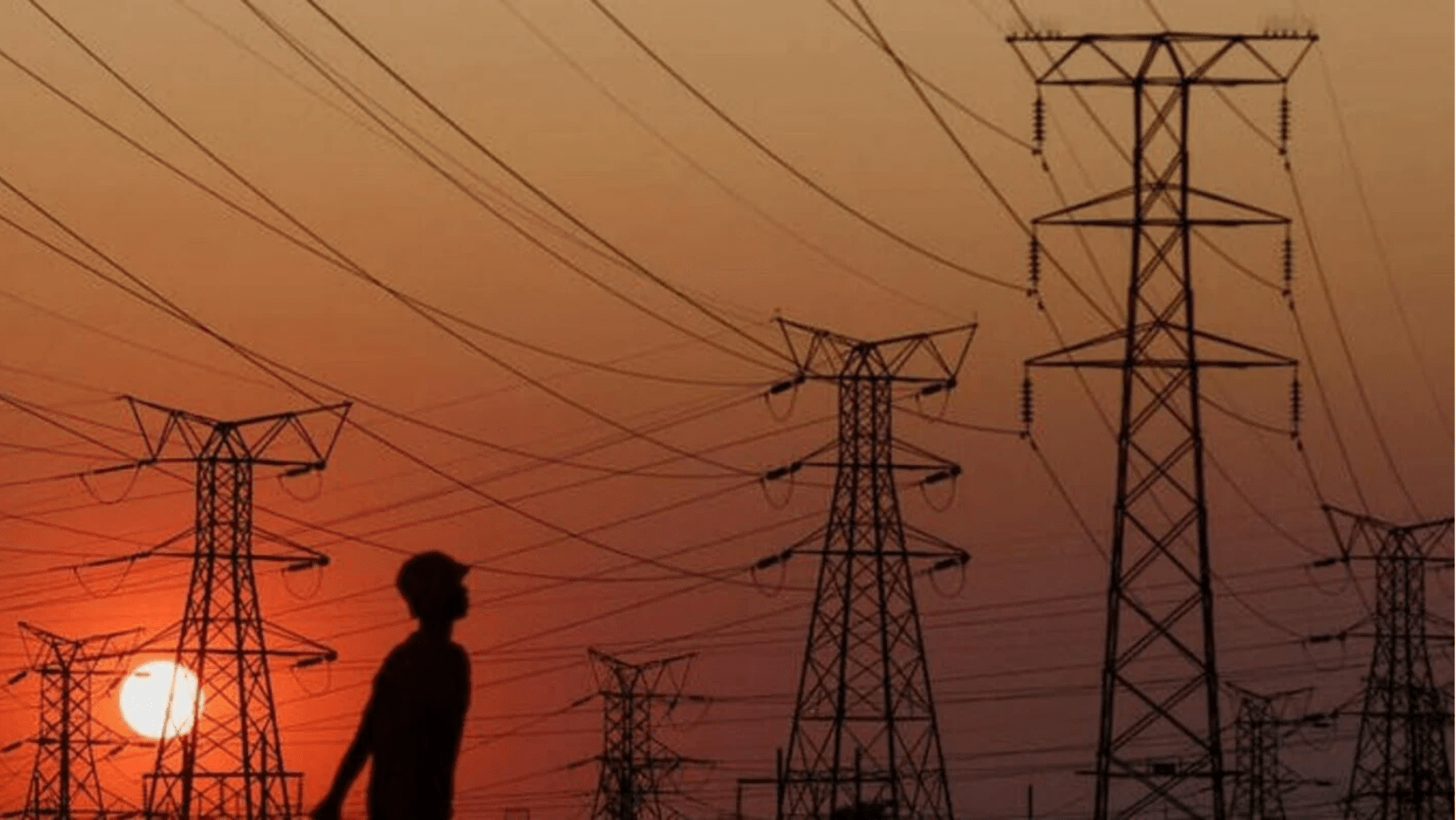
The main challenge is moving the electricity from where it is produced to where it is needed. Thousands of renewable energy projects are waiting to connect to the national grid because there is not enough transmission capacity in some areas with strong wind and solar potential.
Wayne Cowie, CEO of Energy Exchange South Africa, said the lack of grid capacity could slow the country’s shift to cleaner energy and put more pressure on its electricity system and economy.
The government estimates that about 14,500 kilometres of new transmission lines will be needed over the next 10 years, at an estimated cost of 400 billion rand ($22 billion).
Electricity and Energy Minister Kgosientsho Ramokgopa said South Africa has been building about 200 kilometres of transmission lines each year, which is far below what is needed.
Government officials have pointed to delays in the approval process and shortages of equipment as some of the reasons for the slow expansion.
Kevin Mileham, energy spokesperson for the Democratic Alliance, said the government still needs to complete the process of appointing private companies to help build the new transmission infrastructure.
He also said some of the equipment needed is not produced locally and could take two or three years to arrive.
During a recent visit to China, Ramokgopa said six Chinese companies had agreed to set up factories in South Africa to produce transformers, pylons and other equipment needed to expand the power grid.
China is already a major investor in the country’s renewable energy sector, with Chinese-made turbines being used at the new wind farm in Mpumalanga.
The grid shortage is especially serious in the Northern Cape, which has strong solar potential, and the Eastern and Western Cape, which are well suited for wind power. Much of the available grid capacity in these areas has already been used.
Some capacity is becoming available in Mpumalanga as coal-fired power plants are closed, but the province is not considered as suitable for new renewable energy projects as the country’s main wind and solar regions.
South Africa has struggled with electricity shortages for years because of ageing infrastructure and problems at state-owned power utility Eskom. The country experienced severe power cuts in 2023 as Eskom struggled to meet demand.
The situation has since improved, partly because more homes and businesses have installed rooftop solar systems. These systems can produce electricity without relying on the national transmission network.
The government is also planning changes to Eskom, including the creation of a separate company to manage the national transmission grid.
Ramaphosa has said an independent transmission company would support a more competitive electricity market and give power producers fairer access to the grid.
Eskom has raised concerns about the plan, however. Board chairman Mteto Nyati has urged the government to delay the transfer of transmission assets, warning that the move could create financial risks for the utility.
