
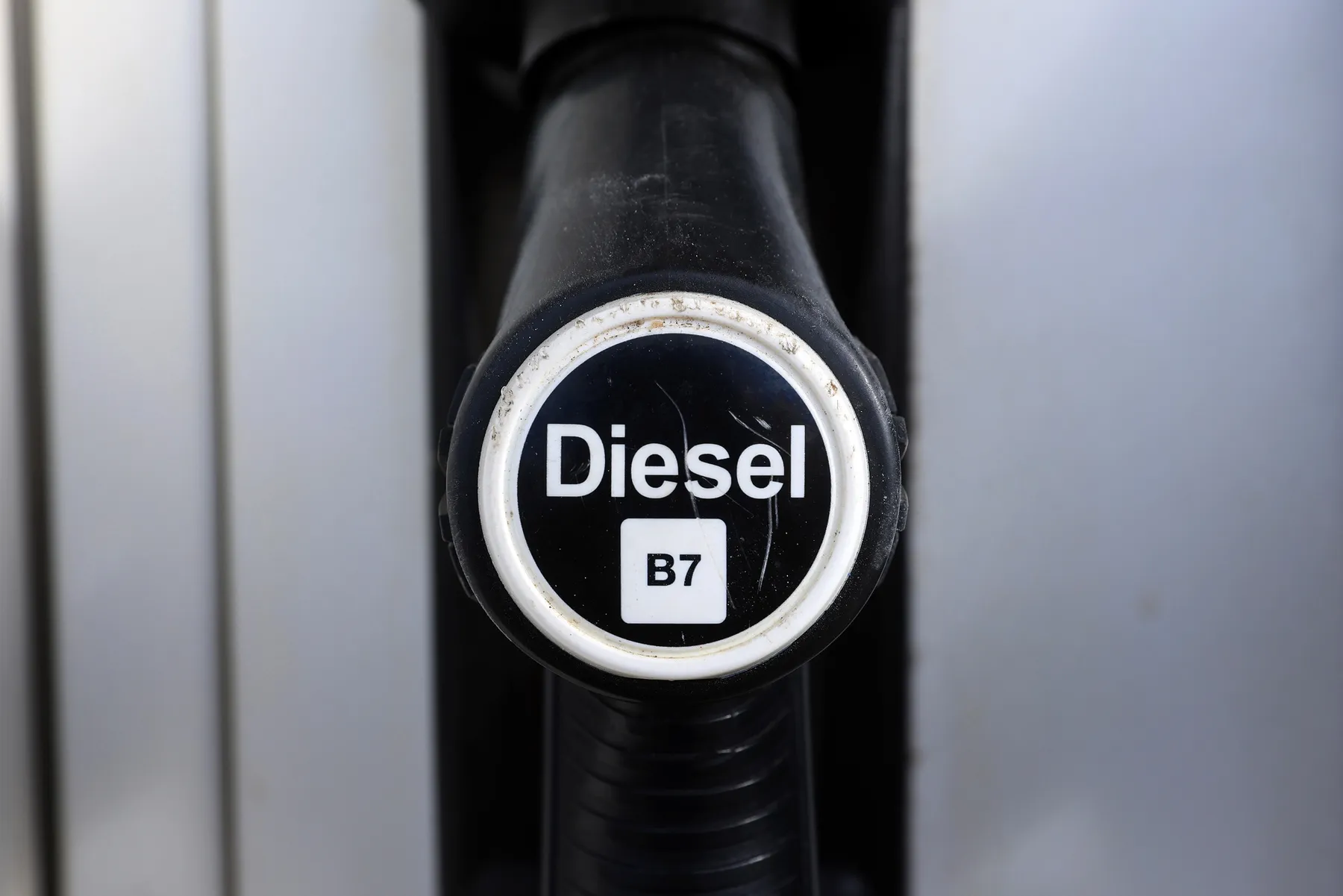
LAGOS, Aug 17 – Madagascar has imported an emergency shipment of diesel from Asia to ease fuel supply disruptions, as the government’s decision to take direct control of fuel imports creates tensions with private companies that previously managed the country’s petroleum supply.
The cargo, which arrived on August 12, contained 63,000 cubic metres of diesel and was sourced from Asia following negotiations with Nigeria-based Sahara Group, according to Guillot Ramilison, chief executive of State Procurement of Madagascar, the government entity responsible for overseeing fuel imports.
“We were facing an emergency, so the company negotiated with the vessel that was closest and could be quickly rerouted to Madagascar,” Ramilison told Reuters by phone.
The shipment is intended to stabilise supplies to the country’s electricity and water utility, Jirama, which has been affected by fuel shortages. President Michael Randrianirina said the additional diesel should allow Jirama to avoid fuel supply problems for about six months.
The emergency procurement follows a period of severe disruption in Madagascar’s energy market. The government declared a nationwide state of emergency in April amid fuel shortages linked to the conflict in the Middle East, highlighting the country’s vulnerability to disruptions in international energy supply chains.
Madagascar has since moved to fundamentally change how petroleum products are imported. The National Assembly approved legislation reforming the downstream petroleum sector and transferring responsibility for fuel imports from private operators to the state.
The change has created friction with companies that previously played a central role in supplying the market. Private operators, including units of TotalEnergies and commodities trader Vitol, have objected to the government’s intervention in fuel logistics.
The companies said authorities requisitioned an oil-storage facility at the port of Toamasina, preventing them from unloading a separate tanker carrying diesel, unleaded petrol and kerosene that they had arranged.
The dispute highlights the operational challenges created by Madagascar’s shift towards a state-led fuel procurement model at a time when the country is already dealing with shortages and elevated energy-security concerns.
For the government, the immediate priority is restoring reliable fuel supplies and ensuring that critical public utilities can continue operating. The emergency diesel shipment provides temporary relief, but the broader restructuring of the petroleum sector could have longer-term implications for private investment, fuel distribution and competition in Madagascar’s energy market.
The government’s ability to maintain adequate supplies under the new system will depend on its capacity to secure cargoes quickly, manage storage and distribution infrastructure, and maintain sufficient access to international fuel markets.
