
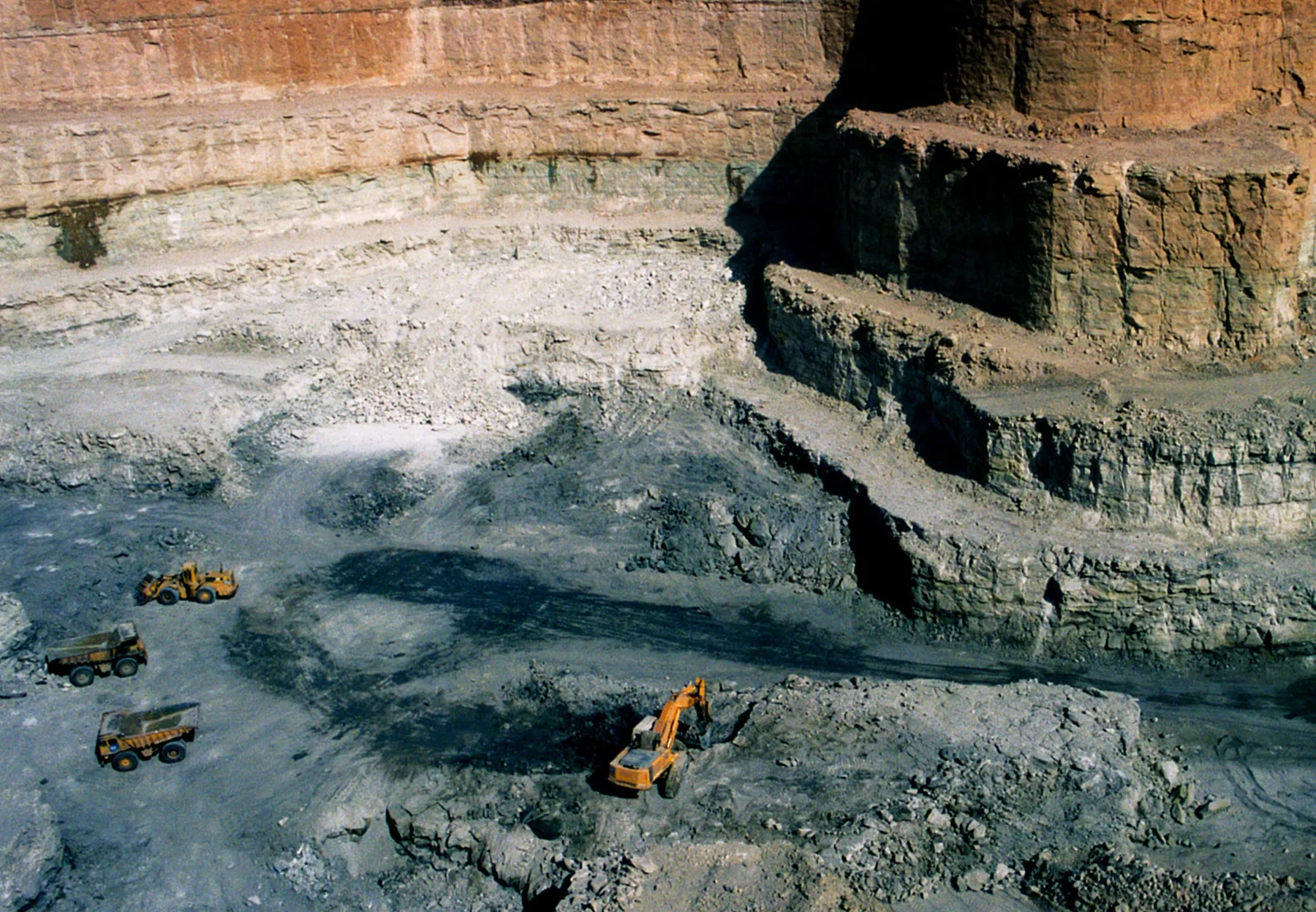
NIAMEY, Aug 24 – Niger has transferred the mining permit for the In Azaoua uranium area to Tsumco SA, a state-controlled company established following the government’s takeover of the Somaïr uranium operation from French nuclear group Orano SA.
According to an official document seen by Bloomberg, the Nigerien Government awarded the permit to Tsumco after nationalising Somaïr. Orano previously held about 63% of Somaïr, while Niger’s state mining company Sopamin held the remaining interest and partnered with the French group in operating the mine.
The transfer formalises a major shift in ownership of one of Niger’s strategically important uranium assets. Niger’s military government assumed full control of Somaïr in June 2025 after accusing Orano of exceeding the uranium extraction limits established under its agreement with the state. Orano has rejected the takeover and initiated legal proceedings in several commercial courts.
The dispute has become part of a wider deterioration in relations between Niger and French companies following the military takeover of the country. It also reflects a broader push by governments across West Africa to increase state participation in mining and capture a larger share of the economic value generated by natural resources.
At Somaïr, Niger had already taken control of about 1,000 tonnes of uranium, which authorities valued at roughly $240 million. The government subsequently moved to sell the stockpile, further demonstrating its intention to exercise greater control over the country’s uranium resources.
Resource nationalism expands across West Africa
Niger’s approach is part of a wider regional trend. Governments in several African mineral-producing countries are revising mining frameworks, increasing state participation and seeking greater domestic economic benefits from strategic resources.
Mali has faced a prolonged dispute with Barrick Mining over the Loulo-Gounkoto complex following changes to its mining regime. Ghana has also introduced changes to mining royalties and is moving towards phasing out long-term mining stability agreements.
In Niger, the policy shift has been particularly pronounced since the military government came to power. Authorities have revoked or renegotiated several mining and refining agreements, citing concerns including local employment, environmental obligations and reporting requirements.
The government has also taken further steps to reshape uranium ownership. In a separate decision on Friday, Niger awarded the Madaouela I uranium permit to Madaouela Mining after the company agreed to pay an initial fixed fee of $10 million.
The permit had previously been revoked from Canadian uranium developer GoviEx Uranium in July 2024. GoviEx subsequently merged with Tombador Iron to form Atomic Eagle and launched arbitration proceedings against Niger over the loss of the licence.
The latest permit decisions reinforce Niger’s efforts to bring its uranium industry under greater domestic control while reducing the influence of foreign mining companies.
Niger remains an important player in the global uranium market, accounting for about 5% of worldwide uranium supply. The future of its mining sector will therefore have implications beyond the country, particularly for international nuclear fuel markets and companies seeking access to strategic mineral resources.
The Somaïr transfer also leaves the dispute with Orano unresolved. While the government has consolidated operational and legal control over the mine, ongoing litigation could determine the extent of financial and contractual liabilities arising from the takeover.
