
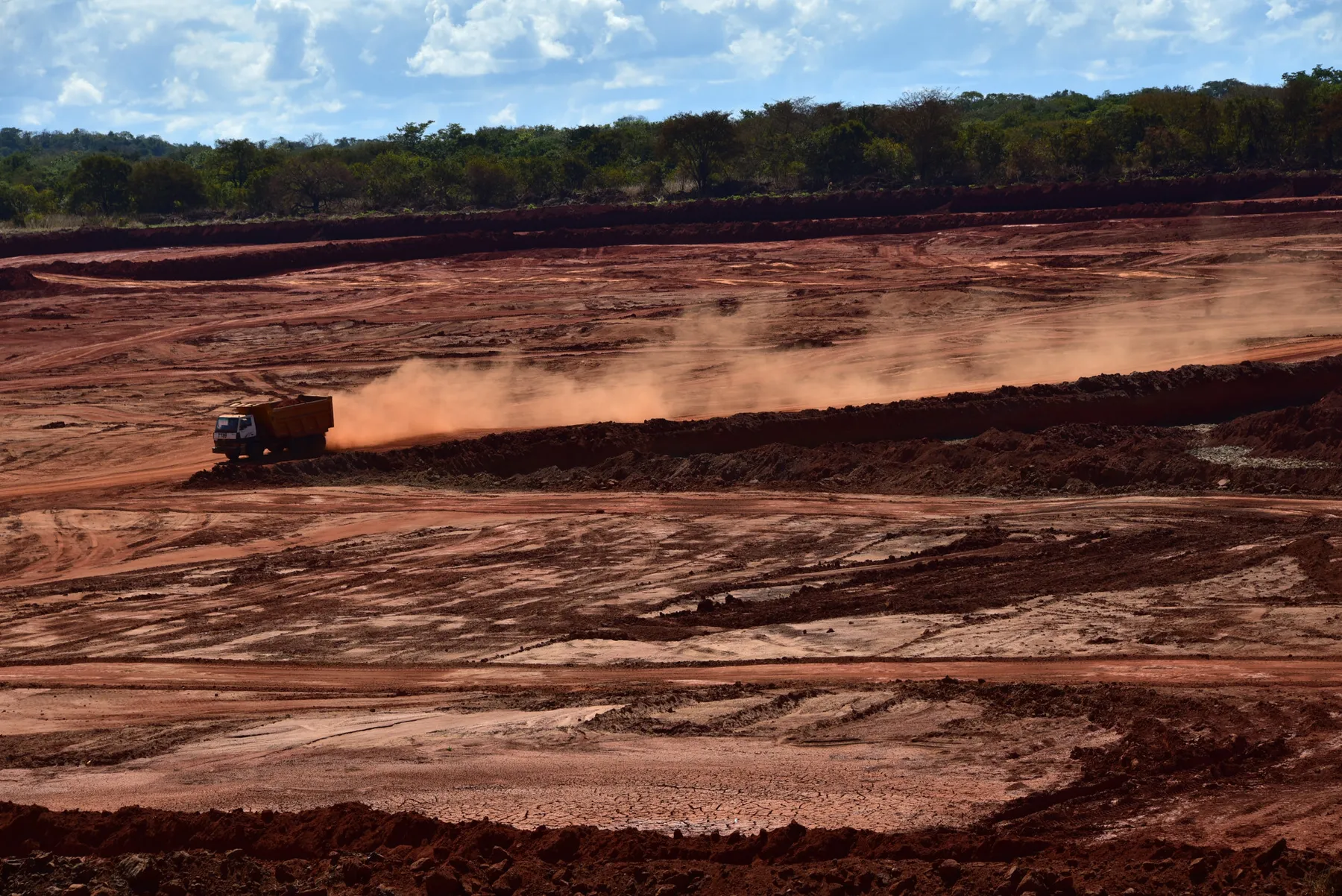
MAPUTO, June 4 – Mozambique has enacted sweeping reforms to its mining sector, introducing mandatory state participation in all mining ventures and stricter requirements for local mineral beneficiation as the country seeks to capture greater value from its natural resources.
President Daniel Chapo signed the new legislation following its approval by parliament, marking a significant shift in the country’s approach to resource management and industrial development.
Under the law, the Mozambican state, through the Empresa Nacional de Mineracao (ENM), will hold a minimum 15% free-carried and non-dilutable stake in all mining projects across the value chain.
The legislation forms part of broader efforts to increase national participation in the mining industry and ensure that a larger share of resource wealth remains within the country.
Mozambique is one of the world’s leading producers of graphite, a critical mineral used in electric vehicle batteries, energy storage systems and other clean-energy technologies.
The country is home to some of the largest graphite deposits globally, including the Balama mine operated by Syrah Resources.
Beyond graphite, Mozambique possesses substantial reserves of coal, gemstones and other strategic minerals that have attracted significant foreign investment over the years.
The new law also introduces restrictions on the export of raw and semi-processed minerals.
Mining companies will now be required to process minerals domestically before export unless they obtain special authorization from government authorities as part of approved plans for future local beneficiation.
The policy is designed to encourage investment in processing facilities, create jobs, strengthen industrial capacity and increase the economic contribution of the mining sector.
Mozambique joins a growing number of African countries seeking greater control over mineral resources and higher levels of local value addition.
Governments across the continent are increasingly pursuing policies aimed at reducing exports of raw materials and promoting domestic processing industries, particularly as global demand for critical minerals continues to rise.
Countries such as the Democratic Republic of Congo and Zimbabwe have introduced similar measures in recent years as part of broader strategies to benefit more fully from the global energy transition.
While the legislation outlines new requirements for future mining projects, it remains unclear whether the provisions will be applied to existing operations, many of which are governed by long-term contractual agreements.
The reforms underscore Mozambique’s ambition to position itself as a more active participant in global mineral value chains while leveraging its natural resource wealth to support industrialization and long-term economic development.
