
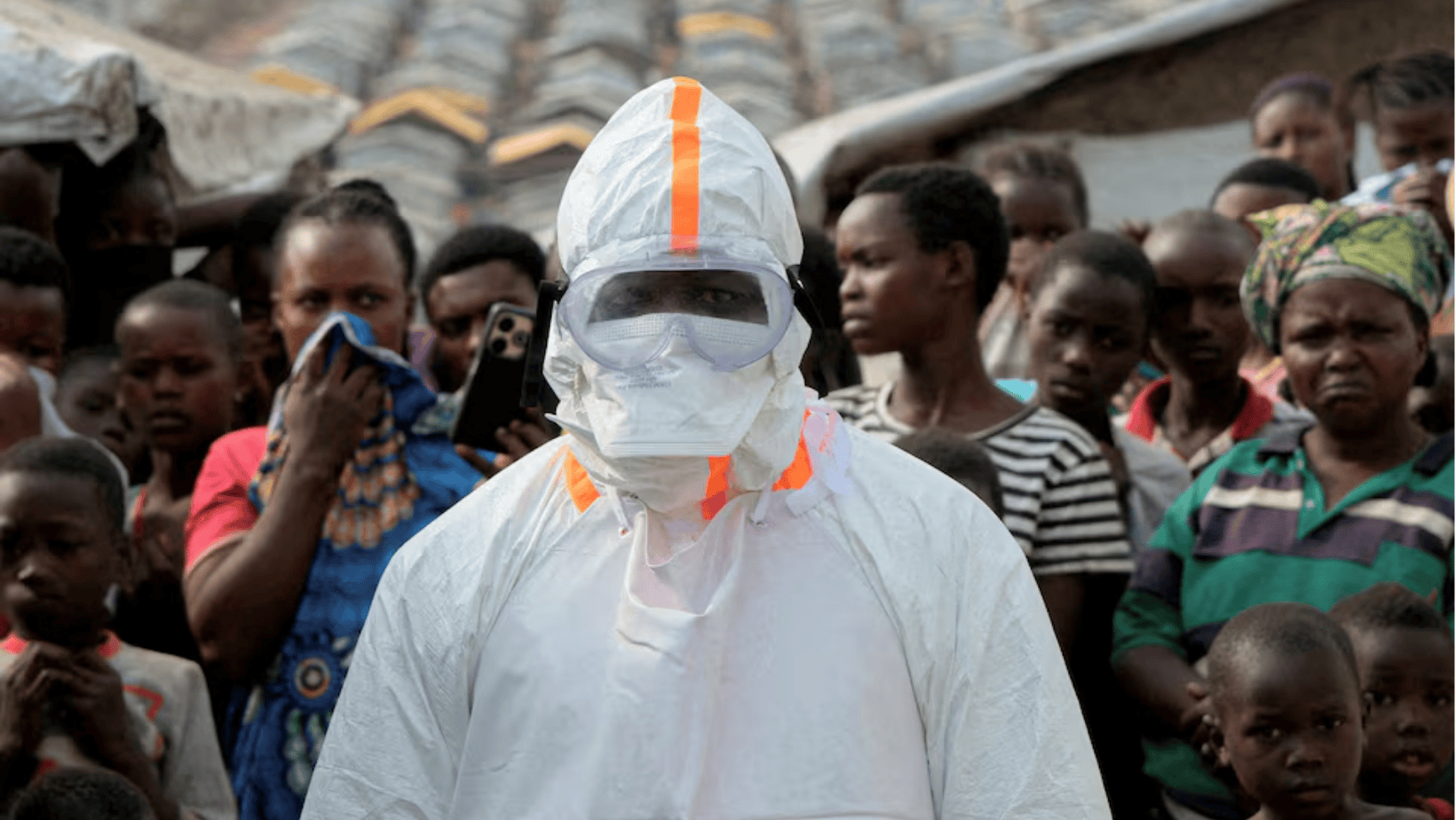
KINSHASA, July 20 – Canada will temporarily deny entry to foreign nationals who have been in the Democratic Republic of Congo within the previous 21 days as part of new border measures aimed at reducing the risk of Ebola entering the country.
The restrictions take effect on July 20 according to the Public Health Agency of Canada.
However, the move goes against guidance from the World Health Organization (WHO), which has advised countries not to impose travel or trade restrictions on Congo as the agency says such measures can create stigma, disrupt response efforts and make outbreaks harder to control.
WHO has also said the risk of the current Ebola outbreak spreading internationally remains low. As of July 15, Congo had recorded more than 2,100 Ebola cases, including 828 deaths.
Canada’s Public Health Agency said limiting entry for foreign nationals who have recently been in Congo could help reduce public health risks. However, agency spokesperson Mark Johnson acknowledged that the overall risk to Canadians remains low, adding that the updated measures bring Canada’s temporary border policy closer to those already introduced by the United States and Mexico.
The agency also said anyone who fails to comply with the restrictions could face fines of up to $109,000 for individuals and $1.1 million for corporations.
Canada had earlier suspended immigration documents for residents of Congo, Uganda and South Sudan. While Uganda has not reported any new Ebola cases since last month, South Sudan has not confirmed any cases.
Last week, the United States also introduced restrictions requiring people who had recently been in Congo to avoid entering the country through commercial flights.
Meanwhile, the European Centre for Disease Prevention and Control has advised against travel bans, saying they have limited public health benefits and could disrupt humanitarian assistance.
