
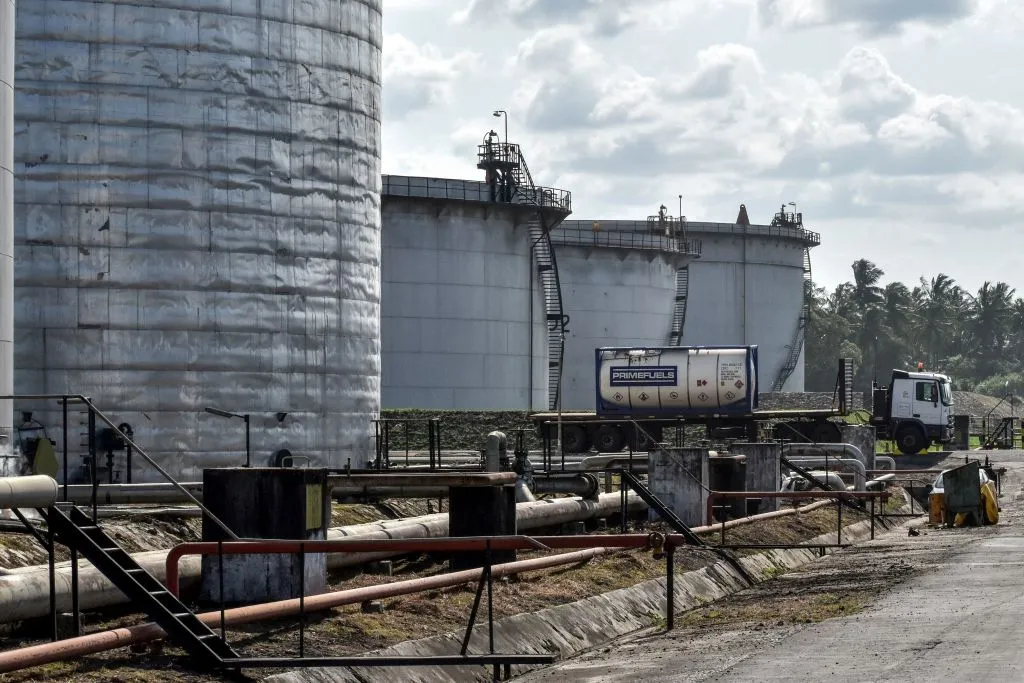
NAIROBI, Aug 28 – Kenya Pipeline Company (KPC) is preparing to make its Mombasa infrastructure a central export route for the country’s emerging oil industry after its subsidiary, Kenya Petroleum Refineries Limited (KPRL), signed a 25-year crude storage and handling agreement with Gulf Energy E&P B.V.
The contract covers the receipt, storage, handling and delivery of crude through KPRL before the oil is exported via the Kipevu Oil Terminal II (KOT II). KPC estimates the agreement could generate about KSh 93.68 billion ($723 million) in revenue over its term, although the figure is dependent on crude throughput and applicable tariff assumptions and is therefore not guaranteed.
The agreement connects KPC’s infrastructure directly to the planned development of the South Lokichar oil fields in Turkana, which are now being developed by Gulf Energy following its acquisition of Tullow Oil’s Kenyan interests.
Mombasa Takes Centre Stage in Kenya’s Oil Development
Kenya’s government-backed development plan targets initial crude production of about 20,000 barrels per day before increasing output to 50,000 barrels per day in a second phase. First oil is currently targeted for December 2026.
The logistics model represents a shift from earlier plans for a dedicated crude pipeline linking the oil fields in Lokichar to Lamu. Under the current approach, crude from Turkana is expected to be transported by road or rail to KPRL in Mombasa, where it will be stored before being transferred to KOT II for export.
That arrangement gives KPRL a renewed strategic role after its refinery complex remained idle since 2013. KPC’s acquisition of the facility brought an additional 484 million litres of storage capacity and 377.7 acres of land next to the Port of Mombasa.
The site includes storage tanks capable of handling crude oil and petroleum products, providing infrastructure that can support Kenya’s transition from an oil-importing market toward becoming a crude-producing and exporting country.
KPC Strengthens KOT II Operating Framework
KPC has also revised its service-level agreement with the Kenya Ports Authority covering the operation and maintenance of Kipevu Oil Terminal II.
The updated agreement replaces the previous arrangement and sets out clearer responsibilities for terminal operations, performance monitoring, maintenance coordination and business continuity.
Although KPC said the revised agreement does not have significant direct monetary value, the company considers it important to maintaining the operational reliability of KOT II.
Together, the crude-handling contract and the revised terminal agreement strengthen the role of Mombasa in Kenya’s emerging petroleum export chain. If the South Lokichar project reaches its targeted production levels, KPC’s storage and terminal infrastructure could become an important link between Kenya’s inland oil fields and international crude markets.
