
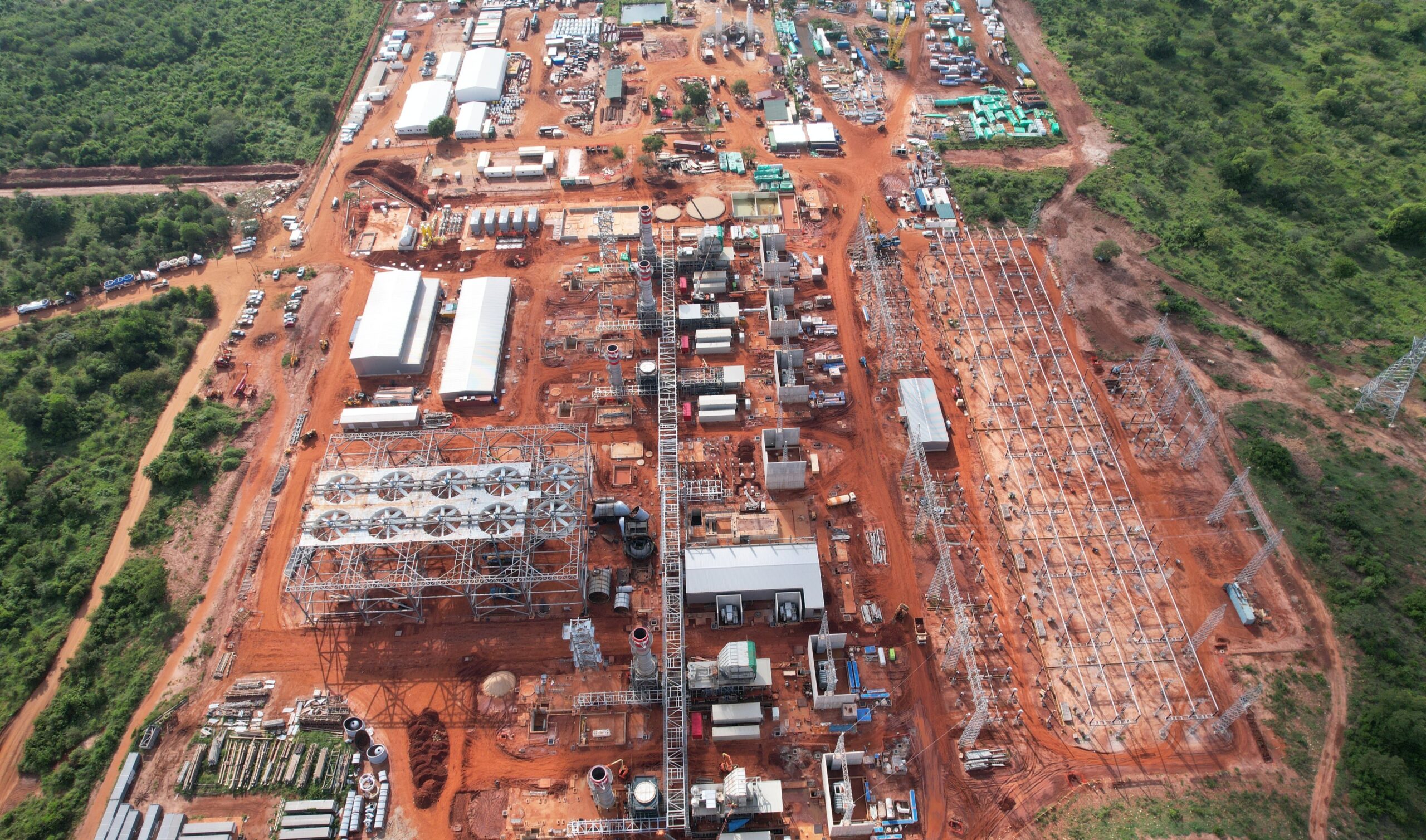
MAPUTO, Nov 11 – Independent power producer Globeleq expects to finalise a revised financing package for its $660 million gas-fired power project in Mozambique by the end of the year, as construction delays and higher costs have pushed the plant’s expected operational date to 2028.
The 450-megawatt Temane gas-fired power plant is now expected to become fully operational in 2028, three years later than originally scheduled, Samir Sale, Globeleq’s country managing director in Mozambique, told Reuters on Wednesday.
The project has faced setbacks from severe weather and political instability. Two separate cyclones damaged equipment and flooded the construction site, while post-election violence across Mozambique in 2024 contributed to further delays.
Globeleq appointed Turkish contractor ENKA in December last year to replace the previous contractor and advance construction.
The company, jointly owned by British International Investment and Norway’s Norfund, is discussing the revised financing arrangements with project partners, shareholders and lenders. These include the International Finance Corporation (IFC), the OPEC Fund for International Development and the US International Development Finance Corporation (DFC).
The restructuring is intended to accommodate the additional costs and delays affecting the project. In September, the Mozambican government agreed to additional support measures, including tariff adjustments, although details of the arrangements were not disclosed.
The Temane plant will use natural gas supplied from fields operated by South Africa’s Sasol in Mozambique. Its development is part of the government’s broader effort to establish an energy and power hub in Inhambane province and expand electricity access.
Once the initial 450MW facility becomes operational, Globeleq will consider a second phase that could add another 450MW of generating capacity, Sale said.
The proposed expansion would potentially double the project’s capacity to 900MW, although the company has not announced a final investment decision or construction timetable for the second phase.
