
JOHANNESBURG, Aug 11 – BRICS countries are discussing potential connections between their fast payment systems and central bank digital currencies as the group explores ways to reduce the cost of cross-border transactions, Reserve Bank of India Governor Sanjay Malhotra said.
Speaking in Mumbai, Malhotra said cross-border payments remain a priority for BRICS, with several approaches under consideration. India is hosting the group’s 2026 summit, where the issue is expected to feature in discussions on financial cooperation.
“Cross-border payments is an area of interest for all of us, including the BRICS, because we feel there is a lot of scope for reducing cost,” Malhotra said.
He added that “Various options are on the table, but it is still at discussion stage, including CBDCs (central bank digital currencies) and linkages of fast payment systems.”
The discussions could eventually create mechanisms allowing payment systems operated by BRICS members to interact more directly, potentially reducing reliance on traditional cross-border payment channels and lowering transaction costs. However, Malhotra stressed that the proposals remain under discussion and no final framework has been agreed.
The Reserve Bank of India has previously supported greater international use of the rupee and is continuing efforts to expand the role of local currencies in cross-border trade and payments. Reuters reported earlier this year that the RBI had recommended including a proposal to connect central bank digital currencies on the agenda for the 2026 BRICS summit.
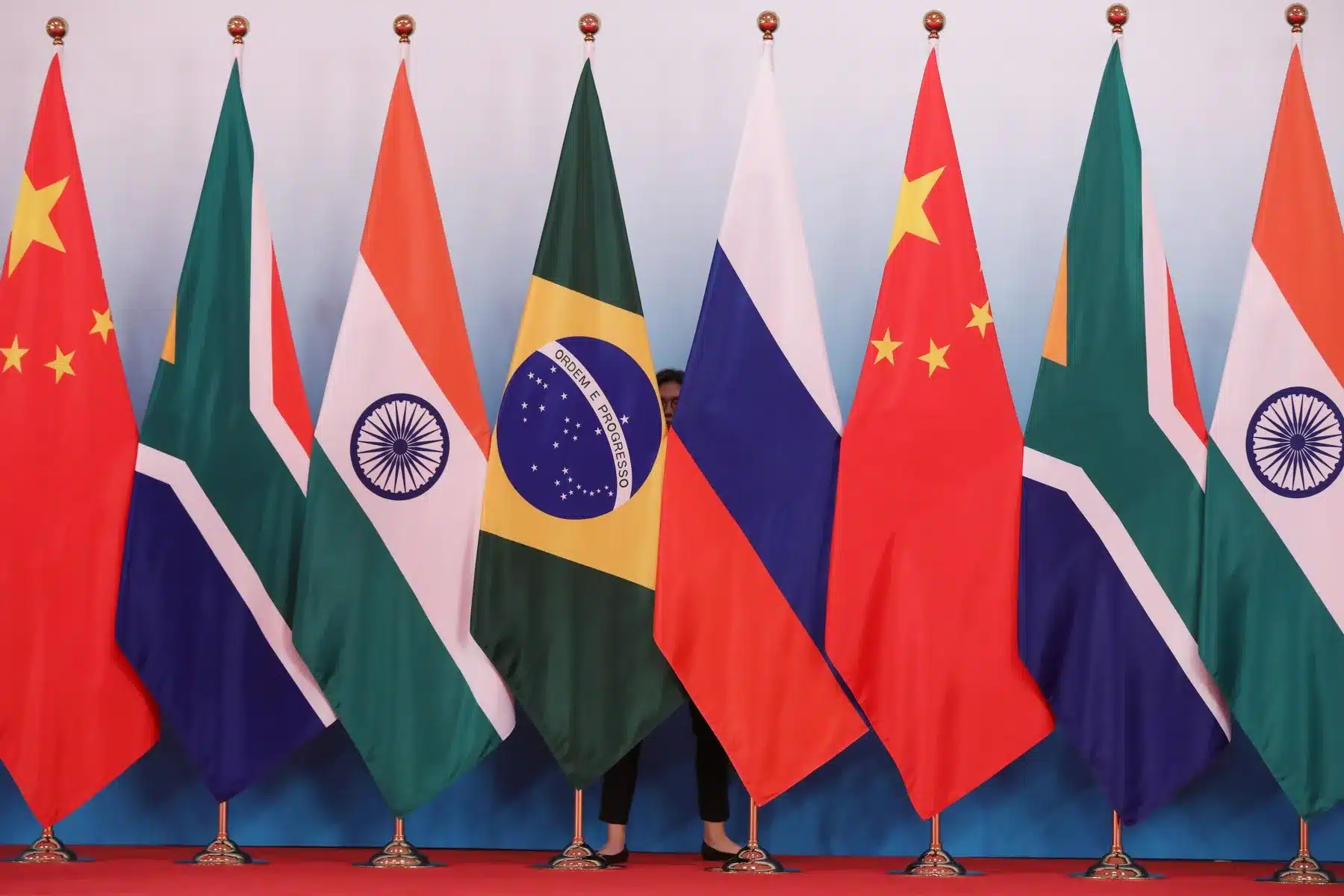
The initiative comes as BRICS members seek deeper financial cooperation amid growing interest in alternative cross-border payment arrangements. The group includes Brazil, Russia, India, China and South Africa, alongside other member countries.
Beyond payment infrastructure, Malhotra also addressed the growing use of artificial intelligence across the banking industry, arguing that financial institutions should view the technology as an opportunity that needs appropriate safeguards rather than solely as a source of risk.
“Indian banks cannot afford to sit on the sidelines and watch,” he said, urging lenders to maintain inventories of the artificial intelligence models they use and establish governance frameworks approved by their boards.
Financial regulators globally have been paying closer attention to banks’ adoption of AI as its use expands across areas such as risk management, customer services and operations. Concerns include cybersecurity, operational failures and weaknesses in governance and oversight.
Malhotra said financial institutions should balance technological innovation with appropriate controls, arguing that “Innovation and safety are not opposing goals, they are in fact complementary requirements of a durable financial system.”
For BRICS, progress on interoperable payment infrastructure could become an important component of the group’s broader financial cooperation agenda. But the current discussions remain exploratory, with the technical, regulatory and governance arrangements required to connect different national payment systems and digital currencies yet to be determined.
