
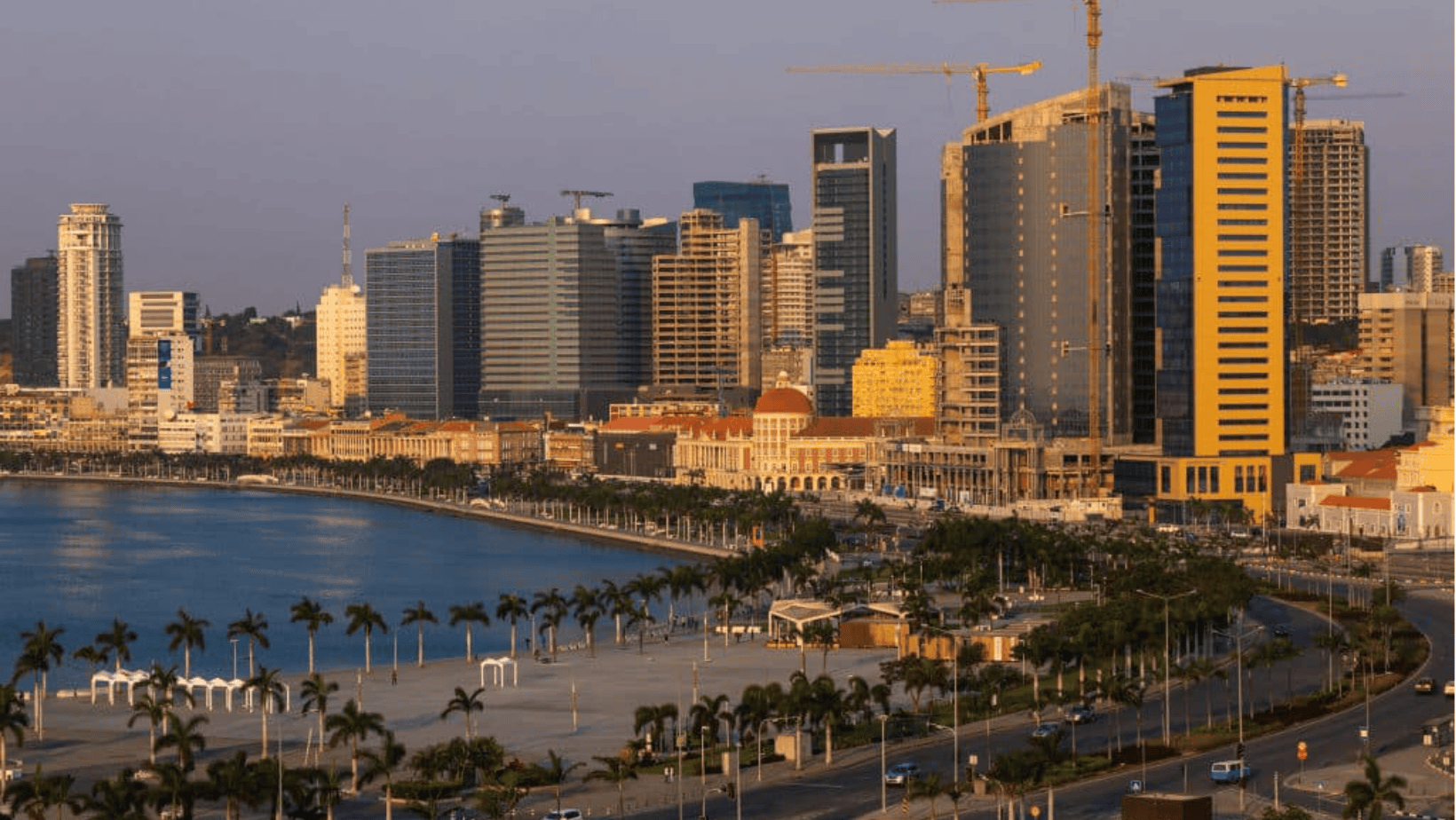
LUANDA, July 21 – Angola says its efforts to reduce its dependence on oil are beginning to show results, with inflation easing and non-oil sectors taking on a bigger role in the economy, even as high crude prices continue to support the country’s recovery.
Consumer inflation slowed to 10.11% in June, down from 15.7% at the end of 2025 and 27.5% a year earlier. The drop follows a long period of tight monetary policy and foreign exchange reforms. At the same time, the economy expanded by 5.3% in the first quarter of 2026, while the International Monetary Fund (IMF) expects full-year growth of 2.3%.
The government has also projected that non-oil revenue will exceed oil revenue for the first time in the 2026 budget. Minister of State for Economic Coordination José de Lima Massano said the country’s reforms are long-term and noted that the non-oil sector now accounts for about 80% of gross domestic product.
Official data also show unemployment fell to 21.3% in 2025 from 31.5% a year earlier, while public debt dropped to 46.94% of GDP from 68.56% in 2023.
Even so, oil remains central to Angola’s economy. According to the IMF, the sector still contributes about 25% of GDP, 60% of government revenue and 94% of exports. The fund has warned that future growth will depend on how well Angola expands industries outside oil.
The government is counting on mining, logistics and the Lobito Corridor rail project to support that shift. Foreign direct investment into the non-oil sector reached a record $959.4 million in 2025, while investment in mining, transport and manufacturing continued to rise.
Although Angola has returned as Africa’s sixth-largest economy, the IMF says the country’s long-term outlook will still depend on successful economic diversification and lower exposure to swings in global oil prices.
