
PRAIA, July 20 – Cape Verde is seeking to capitalise on an unprecedented surge in global tourism interest following the national football team’s historic run at this summer’s FIFA World Cup, although structural constraints within the country’s tourism sector may limit its ability to fully capture the opportunity.
The island nation of approximately 550,000 people became the smallest country in World Cup history to reach the knockout stages, pushing defending champions Argentina to extra time before narrowly losing 3-2. The performance attracted significant international attention and sparked a sharp rise in travel interest across key markets.
Travel platform Expedia reported that searches for Cape Verde from travellers in the United States increased by more than 800%, search terms like “Flights to Cape Verde” has reached an all-time high, while TUI recorded a doubling of searches for the destination. Interest from Japan also rose by 110%, highlighting the tournament’s global marketing impact.
The increased visibility comes at a time when tourism already plays a central role in Cape Verde’s economy. The sector contributes around 25% of gross domestic product directly and nearly 40% when indirect effects are included, while the country welcomed between 1.2 million and 1.25 million visitors in 2025.
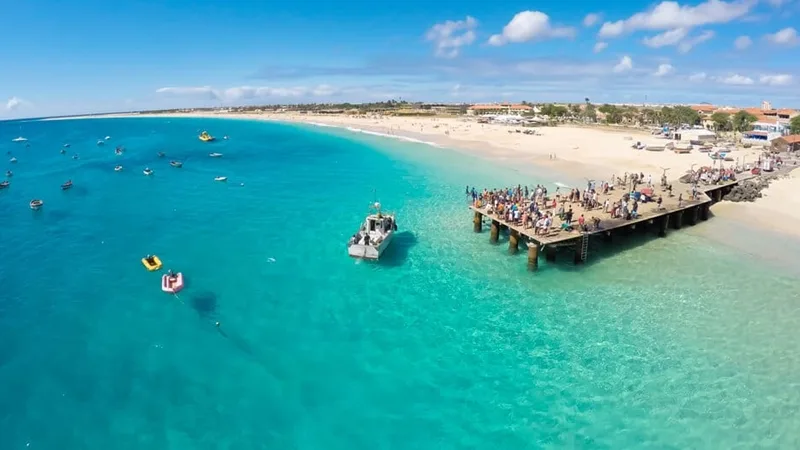
Despite these strong headline figures, the tourism industry remains highly concentrated. More than 70% of international arrivals originate from just seven European countries, while approximately 80% of visitor bed nights are concentrated on the islands of Sal and Boa Vista. Other inhabited islands, known for their volcanic landscapes, cultural heritage and ecotourism potential, continue to attract comparatively fewer visitors.
Analysts also point to limited local economic value capture. Much of Cape Verde’s tourism market is dominated by all-inclusive holiday packages sold through foreign tour operators, restricting spending within local communities.
Average visitor spending outside resort facilities is estimated at around €41 per day, significantly below the approximately €238 per day recorded in the Canary Islands, suggesting substantial room to increase tourism’s contribution to the domestic economy.
One of the largest untapped opportunities lies in the United States. Despite hosting one of the largest Cape Verdean diaspora communities abroad, American travellers currently account for only about 1% of foreign hotel guests. The recent surge in online searches has reinforced the country’s potential to diversify beyond its traditional European visitor base if air connectivity and tourism distribution improve.
On the infrastructure side, Cape Verde continues to modernise its airport network under a 40-year concession managed by VINCI Airports, which has invested in upgrading the country’s aviation facilities.
However, airline connectivity remains a challenge. Cabo Verde Airlines currently operates through multiple hubs primarily designed to serve domestic travel and the diaspora, limiting its ability to rapidly absorb growing international tourist demand. Industry observers believe additional visitor growth may therefore depend on expanded services by foreign airlines, charter operators and potential new routes from North America.
The government has already begun implementing a broader tourism diversification strategy supported by a $75 million World Bank programme focused on resilient tourism and the blue economy. The initiative aims to reduce reliance on foreign tour operators, distribute tourism more evenly across the archipelago and strengthen access to new international markets, including the United States.
While the strategy addresses many of the sector’s long-term structural challenges, analysts note that the window created by World Cup exposure may be relatively short. Successfully converting heightened global awareness into sustained visitor growth will depend on the country’s ability to improve connectivity, broaden tourism offerings beyond its traditional resort destinations and increase the share of visitor spending retained within the local economy.
