
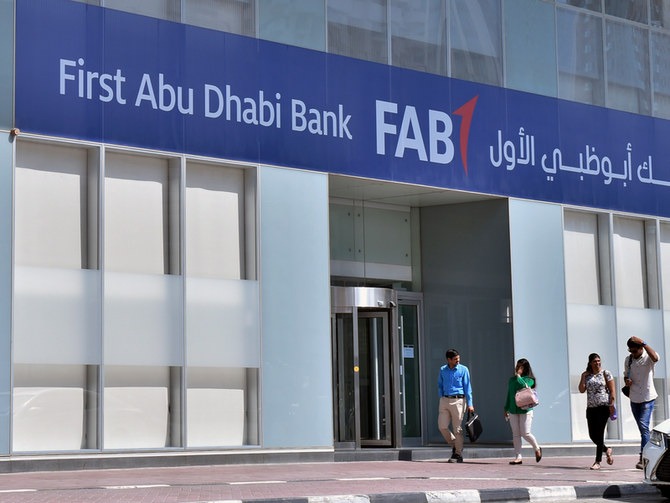
LAGOS, June 26 – Nigeria has accessed the first tranche of its $5 billion financing arrangement with First Abu Dhabi Bank, marking a significant step in the Federal Government’s strategy to refinance expensive debt and bridge its fiscal financing gap.
According to a Bloomberg report published on Friday, the government secured approximately $1.5 billion over the past two weeks through a Total Return Swap (TRS) transaction with the UAE’s largest lender.
The drawdown forms part of the broader $5 billion financing facility approved earlier this year.
Under the arrangement, Nigeria will provide naira-denominated government securities valued at approximately 133.3% of the loan amount as collateral for the transaction.
The first tranche is priced at 395 basis points above the Secured Overnight Financing Rate (SOFR), increasing to SOFR plus 400 basis points thereafter. Nigerian lawmakers previously described the pricing as competitive when approving the transaction.
The financing is intended to help the government refinance higher-cost borrowings while supporting budget financing requirements without issuing conventional Eurobonds.
However, the structure has attracted scrutiny from international financial institutions because of the complexity and risks associated with derivative-based financing.
The International Monetary Fund has cautioned that aspects of the transaction could create political constraints on future monetary and exchange rate policy.
Fitch Ratings warned that dollar-denominated margin calls backed by naira collateral could intensify foreign exchange pressures if domestic bond yields increase or the naira weakens further.
Similarly, Moody’s Ratings noted that swap-based financing introduces credit risks that are generally absent in conventional commercial borrowing.
Officials from Nigeria’s Ministry of Finance and the Debt Management Office did not comment publicly on the transaction, while First Abu Dhabi Bank declined to discuss client-related financing arrangements.
The latest facility further strengthens Nigeria’s financial relationship with First Abu Dhabi Bank, which previously provided approximately $1.2 billion to support construction of a section of the Lagos-Calabar Coastal Highway.
The financing also reflects the government’s growing reliance on alternative funding sources as elevated global interest rates continue to make traditional international borrowing more expensive.
Total Return Swap structures have previously been used by countries including Angola and Senegal to secure external financing amid constrained access to international capital markets.
The Federal Government expects the facility to strengthen debt management by lowering financing costs while providing additional fiscal flexibility.
Nevertheless, analysts note that while the arrangement expands access to external funding, it also increases exposure to foreign exchange volatility and derivative-related financial risks.
