
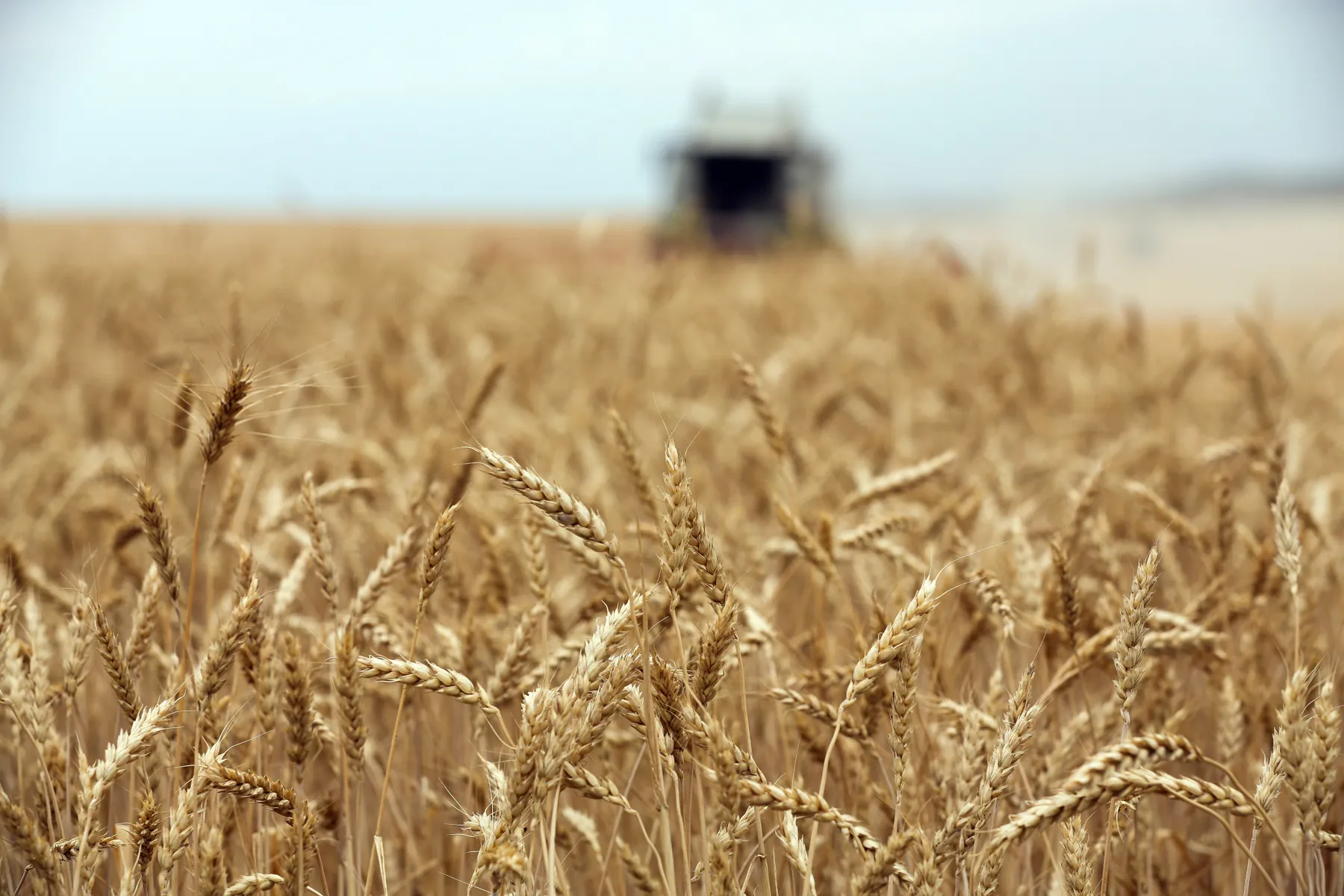
CAIRO, June 12 – Egypt has purchased a record 4.6 million metric tons of wheat from local farmers this season, placing the country on track to achieve its target of acquiring 5 million tons as authorities intensify efforts to reduce dependence on imported grain.
The procurement season, which began in mid-April and runs until mid-August, has already surpassed the total volume purchased during the entire previous season, according to official figures.
Prime Minister Mostafa Madbouly described the current procurement level as the highest in the country’s history.
Egypt remains one of the world’s largest wheat importers, typically purchasing around 10 million metric tons annually from international markets. Roughly half of these imports are used to support the country’s bread subsidy program, which serves approximately 70 million citizens.
The surge in local procurement follows a series of government measures aimed at encouraging domestic production.
Authorities increased the guaranteed procurement price for wheat by 7% in August 2025 and implemented a further increase in March 2026, raising the purchase price to approximately $320 per ton.
The new price significantly exceeds prevailing international market levels, where Black Sea wheat has recently traded between $234 and $240 per ton.
Industry participants say the pricing policy has been instrumental in boosting production.
According to agricultural officials, the area cultivated with wheat expanded to approximately 3.7 million feddans this season, compared with 3.1 million feddans a year earlier, marking the highest planting level on record.
Improved weather conditions and enhanced seed varieties have also contributed to stronger yields.
Officials reported that average productivity continues to improve, while some farmers have recorded harvests exceeding previous seasons due to favorable growing conditions.
In addition to higher production, logistics improvements and efforts to reduce post-harvest losses have helped increase the volume reaching government storage facilities.
A significant contribution has also come from the Future of Egypt for Sustainable Development, a state-backed agency overseeing large-scale agricultural land reclamation projects.
The agency has delivered approximately 530,000 tons of wheat this season, more than doubling its contribution from the previous year.
Market participants believe the larger domestic harvest, combined with improved stock levels, could reduce Egypt’s import requirements during the second half of the year.
However, future demand may also depend on planned reforms to Egypt’s food subsidy system.
The government is considering a transition from in-kind food subsidies to a cash-based support mechanism, a move that could influence future procurement and import requirements.
The latest figures underscore Egypt’s broader strategy to strengthen food security, improve agricultural self-sufficiency and reduce pressure on foreign currency reserves amid ongoing economic challenges.
