
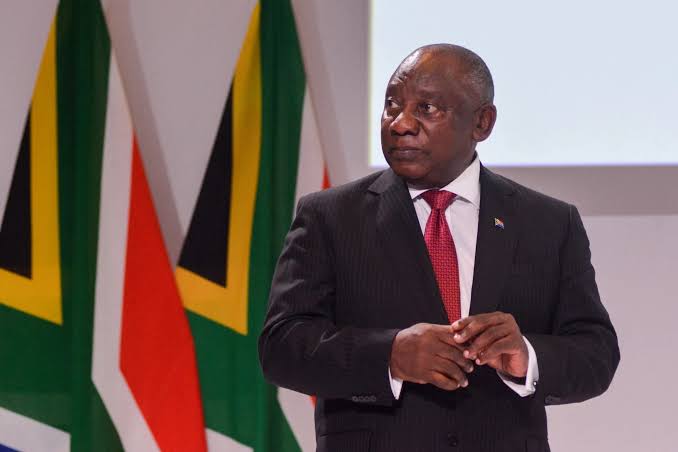
JOHANNESBURG, June 7 – South African President Cyril Ramaphosa is scheduled to address the nation on Sunday evening as the government faces mounting pressure over illegal migration and a recent surge in protests targeting foreign nationals.
The address comes amid growing tensions in parts of South Africa, where demonstrations against undocumented migration have intensified and prompted concerns about a resurgence of xenophobic violence.
According to the Presidency, Ramaphosa is expected to outline the government’s approach to managing illegal migration while addressing public concerns surrounding security, employment and social services.
The developments have already triggered responses from several African governments, which have begun facilitating the voluntary return of their citizens from South Africa.
Last month, Ghana chartered a flight carrying nearly 300 nationals from Johannesburg to Accra following growing concerns over anti-foreigner demonstrations. Ghanaian authorities indicated that approximately 800 citizens had registered interest in returning home.
Ghana’s Foreign Minister, Samuel Okudzeto Ablakwa, joined government officials in welcoming the first group of returnees upon arrival in Accra.
Meanwhile, Malawi has announced plans for a voluntary repatriation programme for its citizens residing in South Africa.
The Malawian government said it is coordinating with South African authorities through its diplomatic missions in Pretoria and Johannesburg to provide consular and logistical support for nationals wishing to return home.
Officials emphasized that participation in the programme remains entirely voluntary and will only be available to Malawians who formally request government assistance.
Nigeria has also reported a sharp increase in the number of citizens seeking repatriation.
According to Nigeria’s Ministry of Foreign Affairs, at least 1,094 Nigerians have registered interest in voluntary return from South Africa, a significant increase from earlier estimates.
A joint verification process involving Nigerian and South African officials is currently underway to determine eligibility for repatriation.
South African authorities have reportedly agreed to waive penalties related to immigration violations such as visa overstays for eligible participants, although individuals facing criminal charges will not qualify for the programme.
The rise in repatriation requests highlights growing concerns among African governments about the safety of their nationals amid renewed anti-immigration sentiment in Africa’s most industrialized economy.
The issue of migration remains politically sensitive in South Africa, where high unemployment, economic pressures and concerns about public services have increasingly fueled debate over immigration policy.
Ramaphosa’s address is expected to provide clarity on how the government intends to balance immigration enforcement, public order and regional diplomatic relations as tensions continue to attract attention across the continent.
