
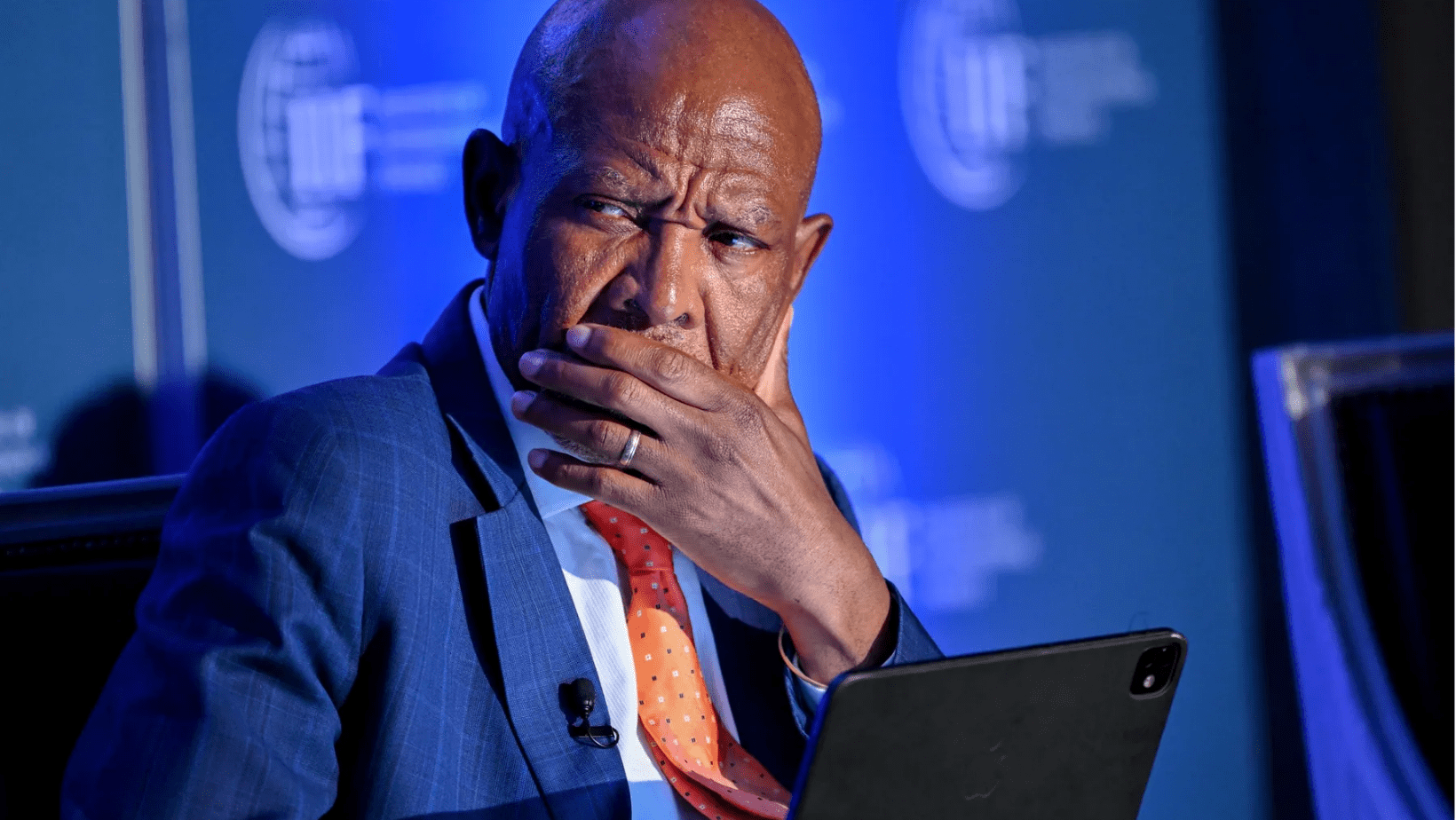
JOHANNESBERG, May 28 – South Africa’s central bank is widely expected to raise interest rates for the first time since 2023 as rising oil prices linked to the Iran conflict push inflation higher and increase pressure on policymakers.
Eighteen of 19 economists surveyed by Bloomberg expect Governor Lesetja Kganyago and the South African Reserve Bank’s monetary policy committee to increase the benchmark rate by 25 basis points to 7% at Thursday’s meeting in Pretoria. Financial markets are also pricing in at least one additional rate increase before the end of the year as investors weigh the inflation risks tied to higher fuel and energy costs.
The pressure follows disruptions to shipping through the Strait of Hormuz after fighting erupted in Iran in February. The route handles roughly a fifth of global seaborne oil and liquefied natural gas trade, contributing to a sharp rise in crude prices worldwide.
In South Africa, petrol prices climbed to near four-year highs this month despite temporary levy reductions introduced by the government to ease pressure on consumers. Fuel prices are expected to rise further next month as some relief measures are phased out.
Annual inflation accelerated to 4% in April from 3.1% in March, marking the highest reading in 20 months and moving closer to the upper end of the central bank’s target range.
Economists at Goldman Sachs and Rand Merchant Bank said policymakers are likely to remain cautious but may signal readiness for further tightening if higher fuel costs begin spreading across the broader economy.
Still, some analysts expect rates to remain unchanged, arguing that the inflation shock is largely driven by external factors rather than domestic demand.
Investec said a relatively stable rand, improved fiscal conditions and Moody’s recent decision to revise South Africa’s credit outlook to positive could reduce pressure for a more aggressive tightening cycle.
