
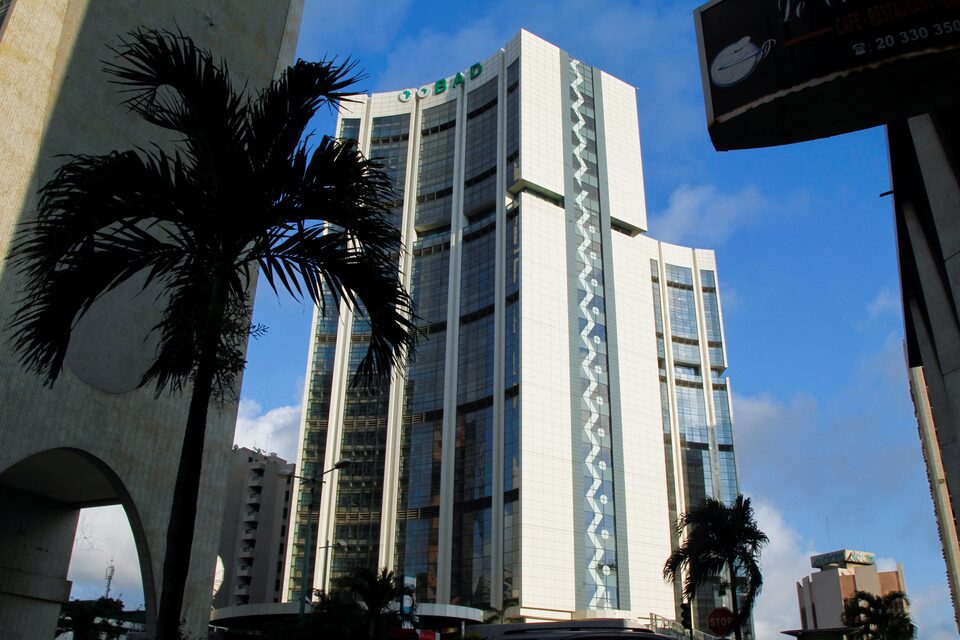
BRAZZAVILLE, May 25 – African leaders, policymakers and financiers gathered at the annual meetings of African Development Bank on Monday as the continent faces increasing pressure from declining foreign aid flows and growing financing needs.
This year’s gathering in Republic of the Congo comes at a critical moment for Africa’s development agenda, with discussions increasingly focused on mobilizing domestic capital and reducing reliance on traditional external funding sources. The 2026 Annual Meetings is scheduled to hold from 25 to 29 May 2026, at the Kintele International Conference Center.
The meeting also takes place against the backdrop of a regional health concern after an Ebola outbreak across the border in Democratic Republic of the Congo spread into neighboring Uganda.
Recent data showed overseas development assistance from wealthier nations fell sharply last year, declining to approximately $174.3 billion as major economies reduced support.
Although no cases have been reported in the Republic of the Congo, the outbreak has raised concerns around attendance and regional mobility.
The United States led a large share of the reductions, including lower funding commitments to concessional financing mechanisms linked to AfDB operations.
Sidi Ould Tah, who assumed office last year, has placed financing reform at the center of the institution’s agenda.
A key proposal under discussion is the New African Financial Architecture for Development, or NAFAD, which seeks to expand Africa’s ability to mobilize development financing from within the continent.
Supporters of the initiative argue that Africa holds roughly $4 trillion in institutional capital through pension funds, sovereign wealth funds, insurance pools and savings systems that could be mobilized more effectively.
William Ruto recently argued that while capital exists across the continent, many projects continue to face persistent financing shortages.
Advocates say the strategy could help fund large-scale projects across sectors such as infrastructure, industrial development and energy.
However, some analysts caution that the capital being referenced is already invested elsewhere and may not represent immediately deployable funding.
Others argue that Africa’s relatively low savings rates remain a structural challenge.
According to World Bank estimates, Sub-Saharan Africa’s savings rate stands at approximately 18%, significantly below global averages.
Analysts also suggest that domestic capital alone may not be sufficient to address the continent’s financing gap and stress the need to attract international investment through stronger guarantees and risk-sharing structures.
As development funding conditions continue to evolve globally, the discussions at the AfDB meetings are expected to shape broader debates around how Africa finances long-term growth and economic transformation.
