
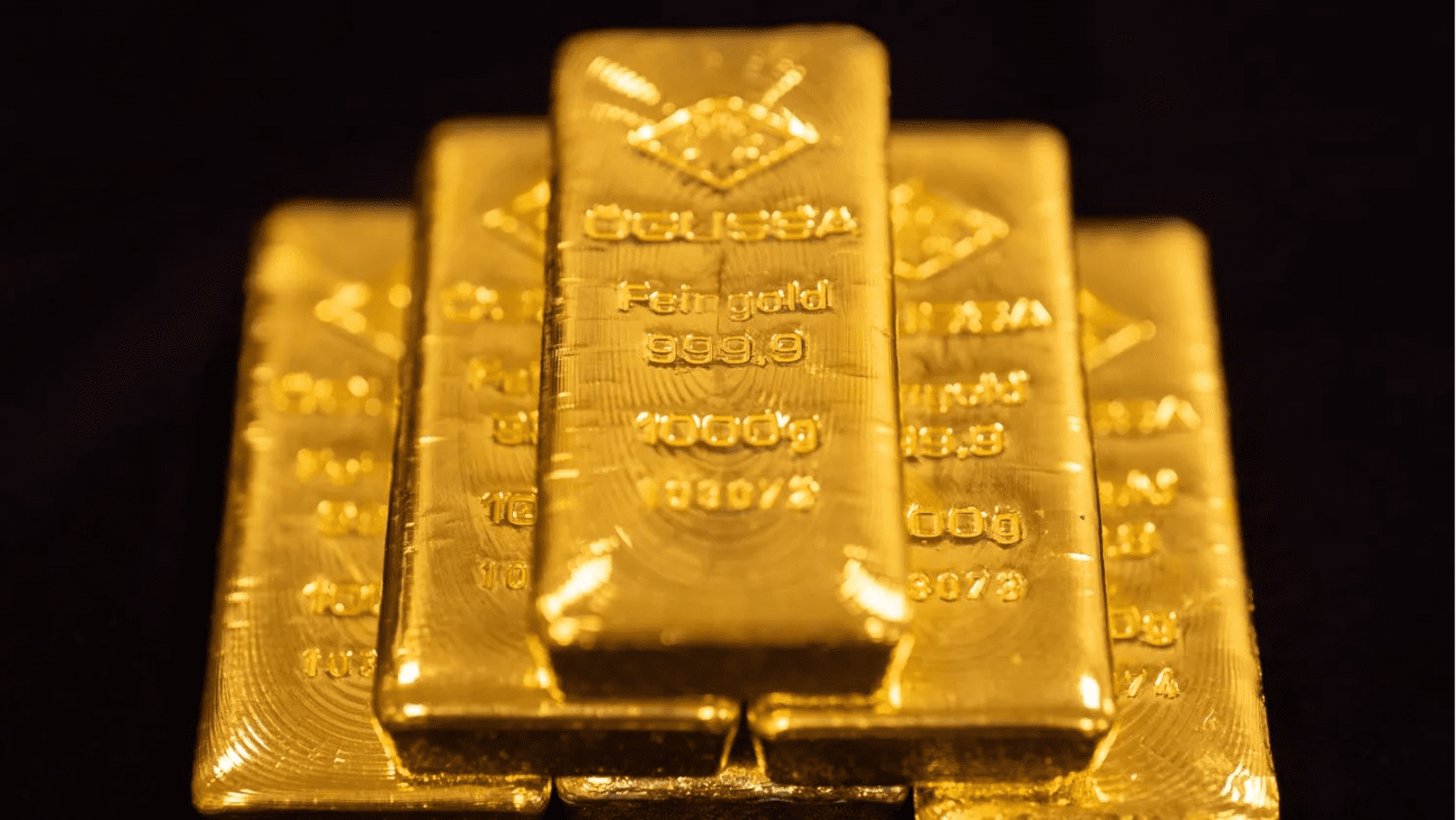
ACCRA, May 19 – Ghana is seeking to increase the amount of gold it buys from large-scale miners to 30% of annual output, up from the current 20%, as the country accelerates efforts to strengthen foreign reserves and stabilize its economy.
The new proposal forms part of a revamped reserve accumulation program launched by the Bank of Ghana earlier this year as the central bank aims to raise gold reserves to as much as 157 metric tons by 2028, equivalent to about 15 months of import cover.
Paul Bleboo, head of the central bank’s Gold Management program, said the bank wants the entire 30% allocation from industrial miners to be delivered in doré form to improve monitoring and traceability of exports.
Ghana began purchasing gold directly from miners in 2022 as part of broader efforts to rebuild external buffers after the country’s worst economic crisis in decades. Central bank data showed reserves rose to 19.2 metric tons in February, helping support the cedi as authorities worked to restore economic stability.
Last year, industrial miners supplied about 10 metric tons of gold to the central bank despite an earlier agreement requiring deliveries equivalent to 20% of annual production, according to Bleboo. Ghana produced around 100 tons of gold during the period.
The reserve-building program has, however, added financial pressure on the central bank with the Bank of Ghana reported an operating loss of about 15.6 billion cedis ($1.37 billion) in 2025, partly linked to costs associated with gold purchases and tighter monetary policy measures.
Mining companies said negotiations over pricing and discounts are still ongoing. Ghana Chamber of Mines Chief Executive Officer Kenneth Ashigbey said discussions remain unresolved, particularly around proposed discounts and valuation terms.
Mining firms have also raised concerns over implementation timelines and proposed deductions tied to refining, freight and purity costs, arguing that a gradual increase from the current 20% arrangement would be more practical.