
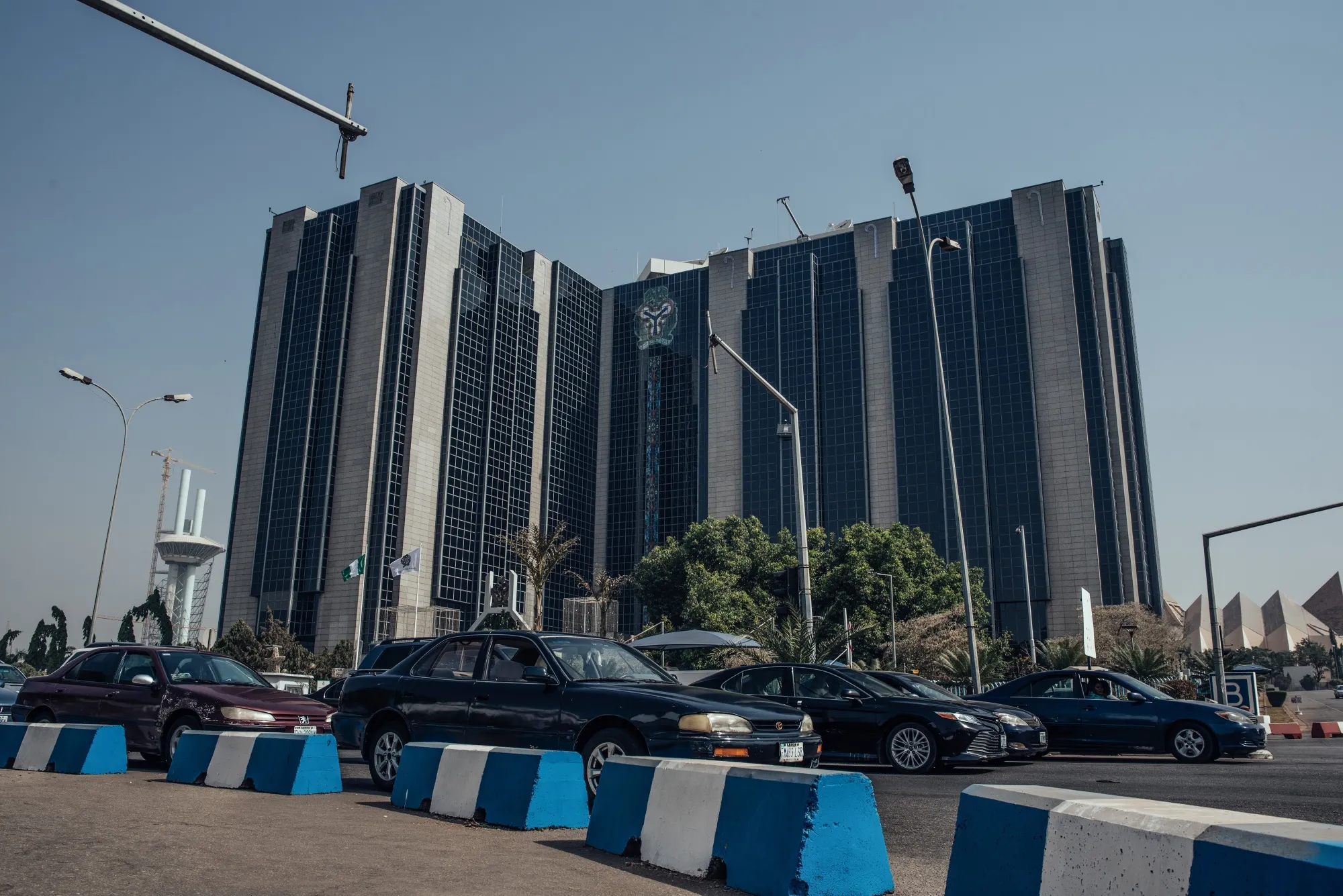
ABUJA, May 18 – Nearly two-thirds of Nigerians want the Central Bank of Nigeria to lower borrowing costs ahead of its next monetary policy decision, highlighting mounting pressure on policymakers as inflation continues to strain households and businesses.
According to the central bank’s April 2026 Inflation Expectations Survey, 63.3% of respondents favored lower interest rates, while 26% preferred rates to remain unchanged and 10.7% supported additional tightening.
The monetary policy committee of the Central Bank of Nigeria will meet on May 19 and May 20 to decide on key lending rates as inflation concerns persist. Nigeria’s benchmark interest rate currently stands at 26.5% following aggressive tightening over the past two years aimed at containing inflation and stabilizing the naira.
The survey, which sampled 3,587 respondents including businesses and households, comes ahead of the central bank’s 305th Monetary Policy Committee meeting as officials weigh persistent inflation, exchange-rate volatility and higher energy costs against slowing economic activity.
Inflation concerns intensified in April, with 67.2% of respondents describing inflation as high, compared with 56.4% a month earlier.
Lower-income households reported the greatest pressure from rising prices. Among Nigerians earning below ₦70,000 ($51) monthly, 77.9% said inflation was high, compared with 46.6% among respondents earning between ₦250,001 ($182) and ₦350,000 ($255).
Micro businesses also recorded elevated inflation concerns, with nearly 70% reporting significant price pressures.
Respondents identified energy costs, transport expenses, exchange-rate weakness, insecurity and infrastructure deficits as the main drivers of inflation.
The findings underscore the difficult balancing act facing the Central Bank of Nigeria as it attempts to stabilize prices while avoiding additional strain on credit growth and private-sector activity.
Despite growing public support for rate cuts, economists largely expect policymakers to maintain a hawkish stance amid persistent inflation risks and uncertainty linked to global energy markets and domestic fiscal spending ahead of the 2027 elections.
Muda Yusuf, chief executive officer of the Centre for the Promotion of Private Enterprise, warned that additional monetary tightening could undermine manufacturing competitiveness and private investment.
He argued that Nigeria’s inflation pressures are primarily supply-driven rather than caused by excess consumer demand.
Research analysts at United Capital Plc also projected that the central bank is likely to keep rates unchanged, citing elevated oil-price risks and persistent domestic inflationary pressures.
The MPC’s upcoming decision will be closely watched by investors and businesses seeking signals on the future direction of borrowing costs in Africa’s largest economy.
