
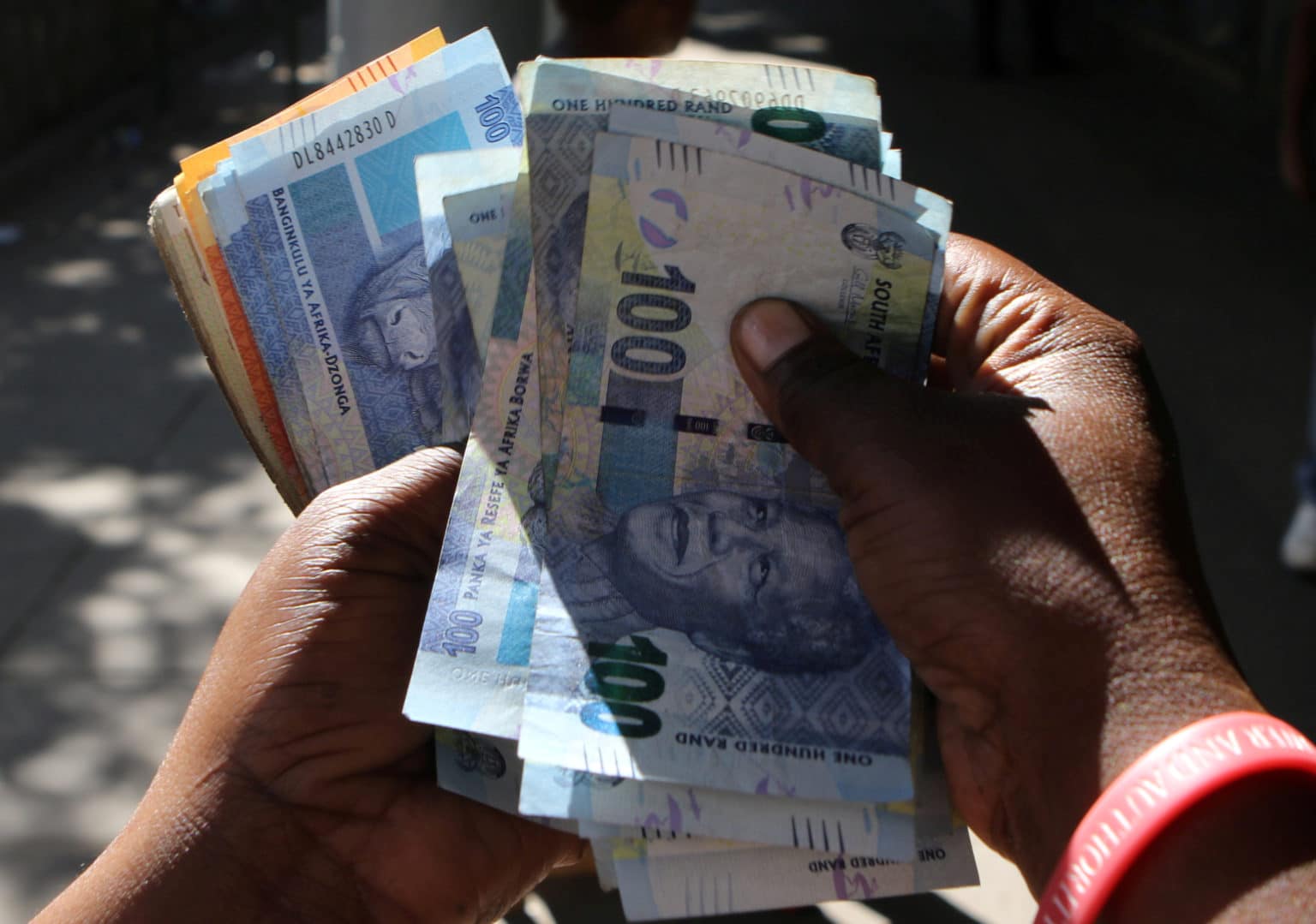
JOHANNESBURG, May 13 – South Africa’s rand remained resilient despite renewed political pressure on President Cyril Ramaphosa, as investors continued to back the country’s reform trajectory and coalition government stability.
The currency traded within 0.2% of its level before the Constitutional Court revived impeachment proceedings tied to the long-running Phala Phala scandal, suggesting markets remain more focused on global developments, including the Iran war, than domestic political risks.
Ramaphosa on Monday rejected calls to resign following the court ruling, pledging to defend himself against allegations linked to the theft of foreign currency hidden at his Phala Phala game farm in 2020.
“The GNU is making good progress, thus supporting the rand,” Devon Pearman, head of Africa at TP ICAP Group Plc in Johannesburg, said. “Even if the head changes, the structure remains, providing a degree of stability.”
The Government of National Unity, formed after the African National Congress lost its parliamentary majority in the 2024 elections, has reassured investors who had previously been wary of policy uncertainty, corruption and weak state institutions.
The coalition government has also strengthened expectations that key economic reforms in electricity, logistics and fiscal management will continue even if Ramaphosa eventually leaves office.
Political analysts said the balance of power inside the ANC has shifted in recent years, weakening the influence of left-leaning factions aligned with former President Jacob Zuma and opposition parties advocating more radical economic policies.
Sebastian Holzbach, fixed-income analyst at Northstar Asset Management, said coalition partners are likely to prioritize stability ahead of the 2029 elections.
“Parties within the GNU are aware of the risks present should President Ramaphosa be removed,” Holzbach said, referring to concerns that a stronger alliance between Zuma’s uMkhonto weSizwe party and the Economic Freedom Fighters could unsettle markets because of their support for nationalization policies.
Ramaphosa’s position remains under pressure after the Constitutional Court ruled lawmakers acted unlawfully in 2022 when they blocked the creation of an impeachment committee to investigate the Phala Phala scandal.
The case centers on allegations that Ramaphosa attempted to conceal the theft of cash stored inside furniture at his private game farm. The president has consistently denied wrongdoing, saying the funds were proceeds from the sale of buffaloes.
An advisory panel previously found there may have been grounds to conclude Ramaphosa violated the constitution, though he has challenged the findings and dismissed the report as based on hearsay.
Parliament is expected to receive the advisory report this week as lawmakers weigh the next procedural steps.
Geordin Hill-Lewis, a senior figure in the Democratic Alliance, said parliament should seek legal clarity on whether impeachment proceedings can continue while Ramaphosa contests the panel’s findings.
“If there was any serious evidence of wrongdoing, I think it would make his position untenable,” Hill-Lewis told SAFM radio. “As we stand today, we don’t have any firm evidence of that.”
