
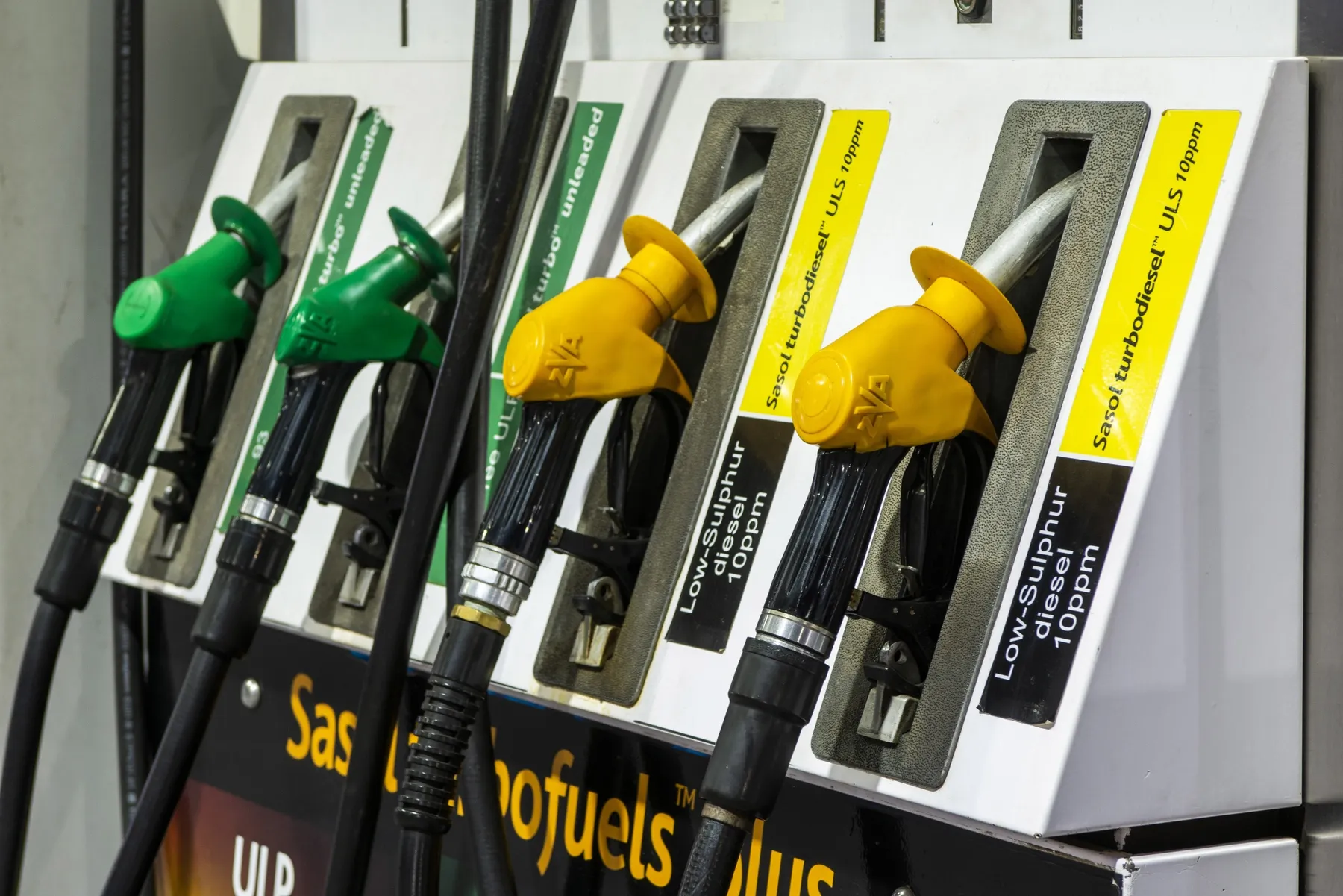
JOHANNESBURG, April 28 – South Africa has extended temporary cuts to fuel taxes as the prolonged Middle East conflict continues to push global oil prices higher, increasing pressure on domestic fuel costs and inflation.
The National Treasury confirmed that a 3 rand per litre reduction in gasoline levies, introduced earlier, will remain in place until June 2. Relief for diesel has also been increased, rising by 93 cents to 3.93 rand per litre over the same period.
Authorities plan to gradually phase out the support, with the finance ministry proposing to halve the relief in June ahead of a full withdrawal by July. The total cost of the tax relief between April and June is estimated at 17.2 billion rand in lost government revenue.
South Africa, which imports all of its crude oil, has been hit by a surge in global prices that have risen more than 50% since the conflict began in late February. Fuel makes up nearly 4% of the country’s inflation basket, meaning higher pump prices are feeding directly into broader cost pressures.
The impact extends beyond consumers. Rising diesel costs threaten agricultural output, particularly as wheat farmers prepare for planting and summer crop producers move toward harvest season.
The South African Reserve Bank has warned that inflation risks are building. Governor Lesetja Kganyago indicated that policymakers are prepared to raise interest rates if price pressures persist. The bank expects inflation to peak at around 4.3% in April, above its 3% target.
Financial markets are already pricing in tighter monetary policy, with forward rate agreements suggesting a quarter-point rate hike at the next policy meeting, followed by another increase in July.
To ease supply constraints, South Africa has increased imports of refined fuel products from the United States, offsetting reduced shipments from traditional Middle Eastern suppliers such as Oman, Saudi Arabia, and the United Arab Emirates.
The government is also reviewing how fuel prices are calculated, holding discussions with industry stakeholders to manage volatility and protect consumers.
The situation reflects a broader global trend, with countries worldwide facing rising fuel costs due to the conflict. South Africa has already implemented one of its largest gasoline price increases in nearly two decades, underscoring the scale of the shock.
