
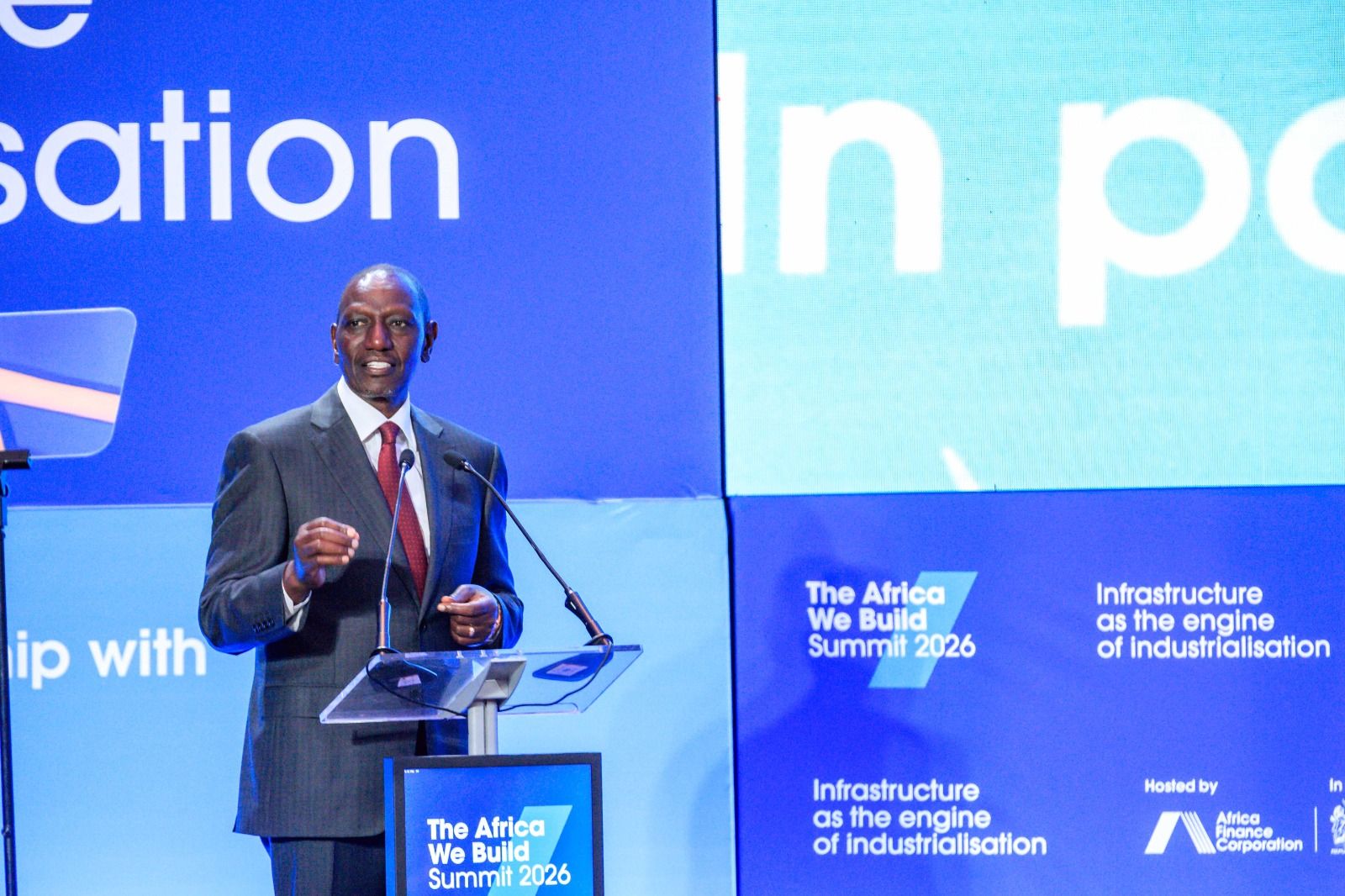
NAIROBI, April 24 – Kenyan President William Ruto is banking on an ambitious $39 billion infrastructure program to boost economic growth and strengthen his chances of securing a second term in next year’s elections.
The plan spans roads, power lines, dams and irrigation projects, all aimed at reducing transport and energy costs while creating jobs across Kenya. At the heart of the strategy is the expansion of the country’s railway network, a project seen as key to positioning Kenya as a regional trade hub.
Central to this vision is the Chinese-funded Standard Gauge Railway linking Mombasa to Nairobi. Originally intended to extend to Lake Victoria and the Ugandan border, the railway remains incomplete more than a decade after construction began. Large sections are still unfinished, and some parts currently see only limited train traffic, earning it the nickname “railway to nowhere” among critics.
Despite the setbacks, Ruto is betting that completing the line will unlock trade flows across East Africa and anchor Kenya’s role in regional logistics.
Financing remains a major hurdle. With public finances under pressure, the government is turning to alternative funding mechanisms. These include the creation of a national infrastructure fund, which will be partly financed through the sale of stakes in state-owned companies such as Safaricom.
Authorities are also exploring borrowing against future revenues, including securitizing loans tied to a 2% import tariff that could raise up to $4 billion upfront to fund railway expansion.
However, these strategies come with political and economic risks. A previous attempt to raise over $2.7 billion through new taxes in 2024 triggered nationwide protests and forced the government to backtrack after deadly clashes. Any similar move could undermine Ruto’s re-election bid.
Institutions like the International Monetary Fund have warned that the new financing approaches still effectively increase public debt, while critics argue future generations may bear the burden of projects that do not deliver expected returns.
With elections approaching, the success or failure of this infrastructure push could prove decisive, both for Kenya’s economic trajectory and for Ruto’s political future.
