
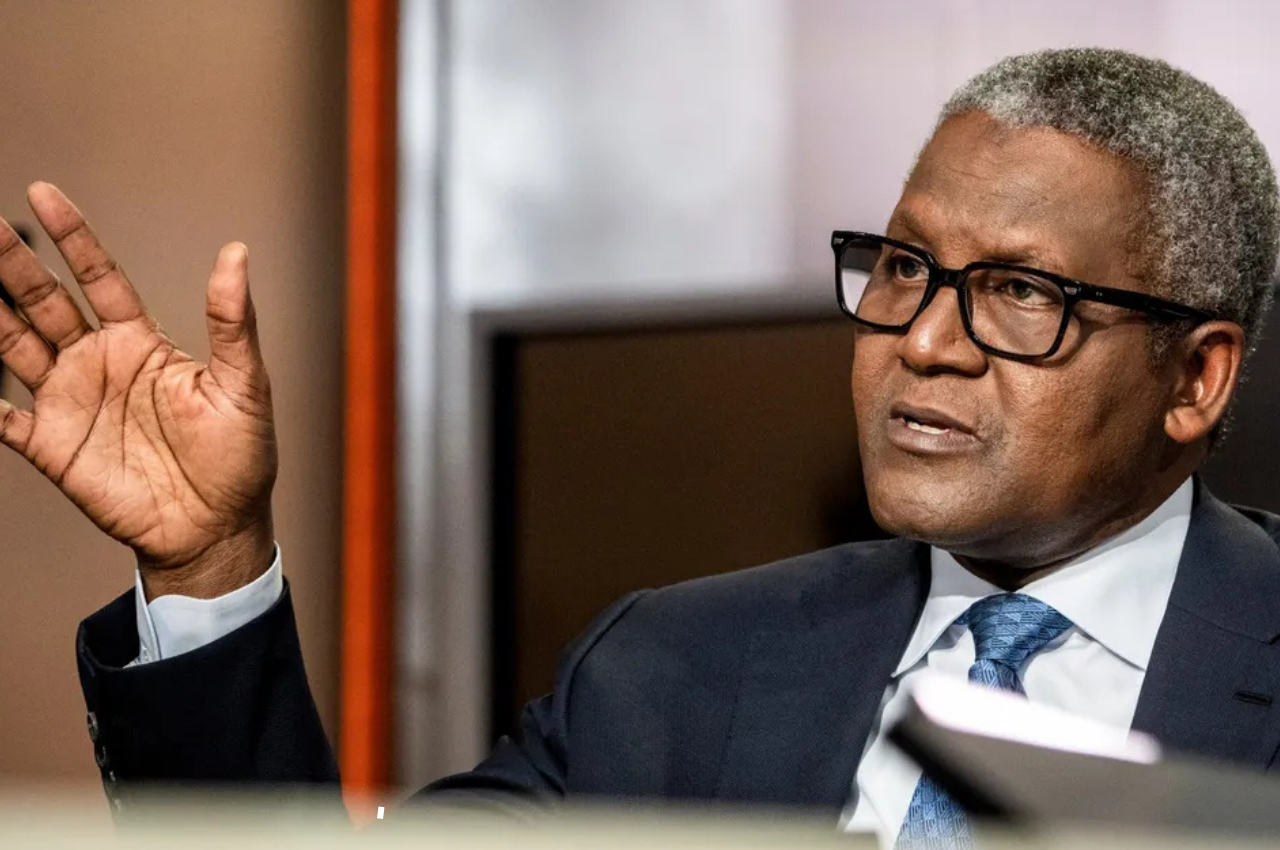
NAIROBI, April 24 – Africa’s richest man, Aliko Dangote has pledged to lead the development of a new oil refinery in Tanzania, as African nations seek to reduce their heavy reliance on fuel imports exposed by the Iran war.
The proposed facility will be located in Tanga and connected via a pipeline from Mombasa in Kenya, according to President William Ruto. The refinery is expected to process crude oil from countries including Democratic Republic of the Congo and South Sudan, creating a regional energy hub.
Dangote said he is ready to replicate the model of his successful Nigerian refinery, committing to deliver the project within four to five years if regional governments provide support. The initiative is part of a broader push by African countries to strengthen refining capacity and shield their economies from global supply shocks.
The plan comes as Africa, despite producing about 7% of global crude oil, remains heavily dependent on imported refined products. Years of underinvestment have led to the shutdown of several refineries across the continent, increasing vulnerability to disruptions in global energy markets.
Dangote’s existing refinery in Lagos, which recently reached full capacity, has already transformed Nigeria into a net fuel exporter and is supplying markets across Africa and Europe. Its success is now inspiring similar projects in other regions.
The Tanzania refinery will also link to a major pipeline connecting oil fields in Uganda to the port of Tanga, further integrating East Africa’s energy infrastructure. President Yoweri Museveni confirmed that Uganda will contribute crude to the project while continuing with its own smaller domestic refinery plans.
The initiative aligns with Dangote’s broader $40 billion expansion strategy, which includes increasing refining capacity and investing across the energy and industrial value chain.
With many East and Southern African nations sourcing up to three-quarters of their fuel from the Middle East, the new refinery could play a critical role in improving energy security, stabilizing fuel prices, and supporting long-term economic growth across the region.
