
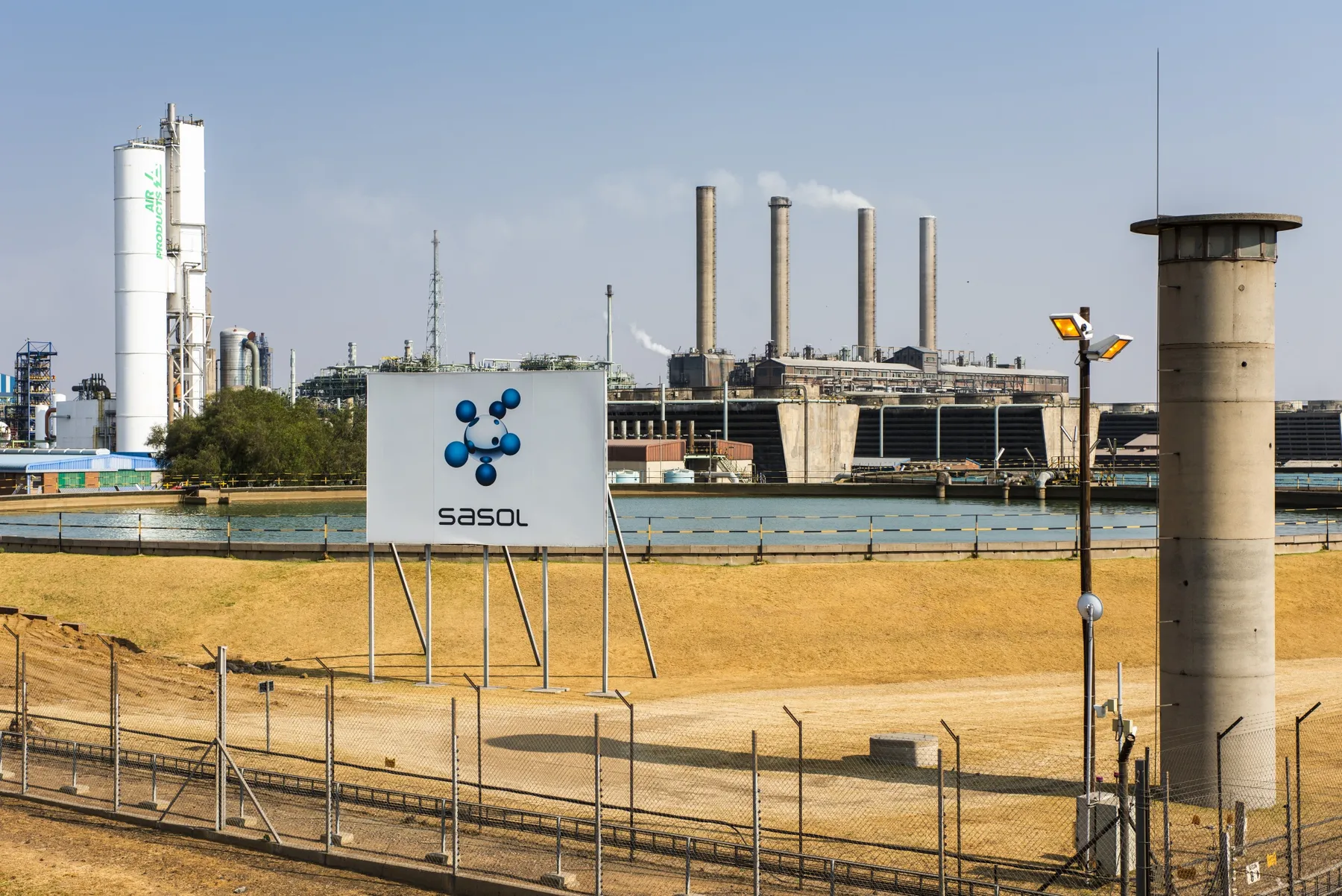
JOHANNESBURG, April 23 – South African Petrochemical Company Sasol has secured a key sustainability certification that allows it to begin exporting sustainable aviation fuel to the European Union, marking a major step into the fast-growing clean fuels market.
The certification, granted by Germany-based TÜV SÜD, confirms that Sasol’s SAF meets international sustainability standards under the ISCC Plus framework. The fuel is produced using feedstocks such as used cooking oil and vegetable oil at the company’s Natref refinery.
The development positions South Africa to move up the value chain. Instead of exporting raw materials like used cooking oil to Europe for processing, the country can now produce and export finished sustainable fuel locally.
The EU is a key target market due to its aggressive decarbonisation policies, including a mandate requiring a 6% SAF blend for aviation fuel by 2030, rising to 70% by 2050.
Sasol plans to scale production gradually, targeting up to 100 million litres annually from its Natref facility by 2030, with total output potentially reaching 200 million litres when including production from its Secunda operations.
The move comes at a time when global jet fuel supplies remain tight due to disruptions linked to the Iran conflict, creating strong demand for alternative and sustainable fuel sources, particularly in Europe.
Sasol is also partnering with Anglo American and De Beers to develop new plant-based feedstocks such as Solaris crops to support future SAF production.
While the opportunity is significant, challenges remain. Experts note that Europe’s strict sustainability requirements and certification processes could make it difficult for certain synthetic fuels to qualify, particularly from highly integrated production systems like Sasol’s Secunda complex.
Still, the certification marks a crucial first step for Sasol as it tests market demand and pricing for sustainable aviation fuel while advancing its broader decarbonisation strategy.
