
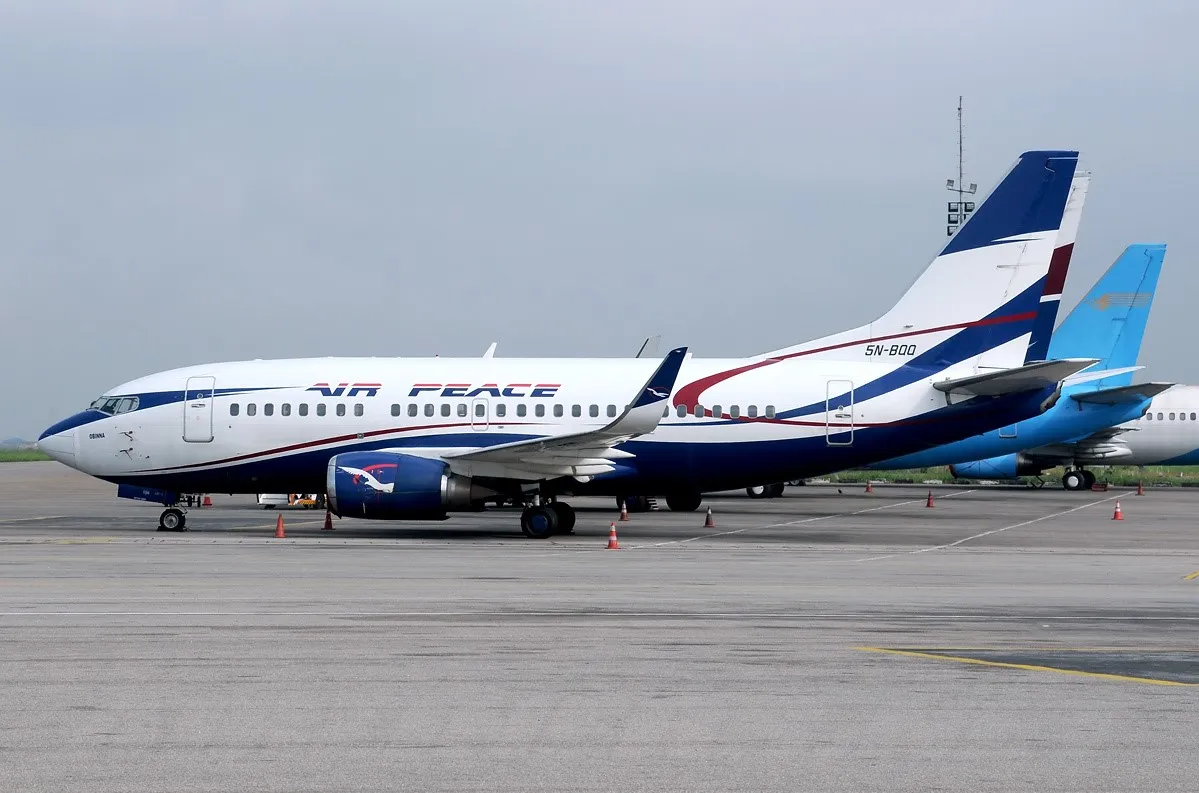
LAGOS, April 23 – Nigeria is moving to stabilize its aviation sector after soaring fuel prices pushed domestic airlines to the brink of halting operations.
President Bola Tinubu has agreed in principle to grant partial debt relief to local carriers following urgent talks with industry stakeholders, according to Aviation Minister Festus Keyamo.
The intervention comes after the Airline Operators of Nigeria threatened to suspend flights due to skyrocketing operating costs. Jet fuel prices have surged dramatically, rising from around N900 per litre in February to over N3,000 in April, largely driven by global supply disruptions linked to geopolitical tensions in the Middle East.
Under the proposed measures, the government is considering a “generous discount” on debts owed by airlines to key aviation agencies, including the Nigerian Airspace Management Agency, Federal Airports Authority of Nigeria and Nigerian Civil Aviation Authority. The exact terms of the relief package will be determined by the president.
In addition, the government plans to establish a committee to review and streamline taxes, levies and fees imposed on domestic air travel, a long-standing concern for operators who argue that multiple charges are squeezing margins.
The planned shutdown of flights earlier in April was ultimately called off after government assurances of intervention, highlighting the sector’s fragility. Despite rising costs, airlines have largely held ticket prices steady, a move the government has acknowledged as helping to cushion passengers.
Nigeria’s aviation industry has long struggled with high operating costs, foreign exchange constraints and infrastructure challenges. The latest spike in fuel prices has intensified pressure, raising concerns about the sustainability of domestic air travel.
The government’s response signals a willingness to step in to prevent disruptions, but longer-term reforms particularly around fuel supply, taxation and operational efficiency — will be critical to ensuring the sector’s stability.
