
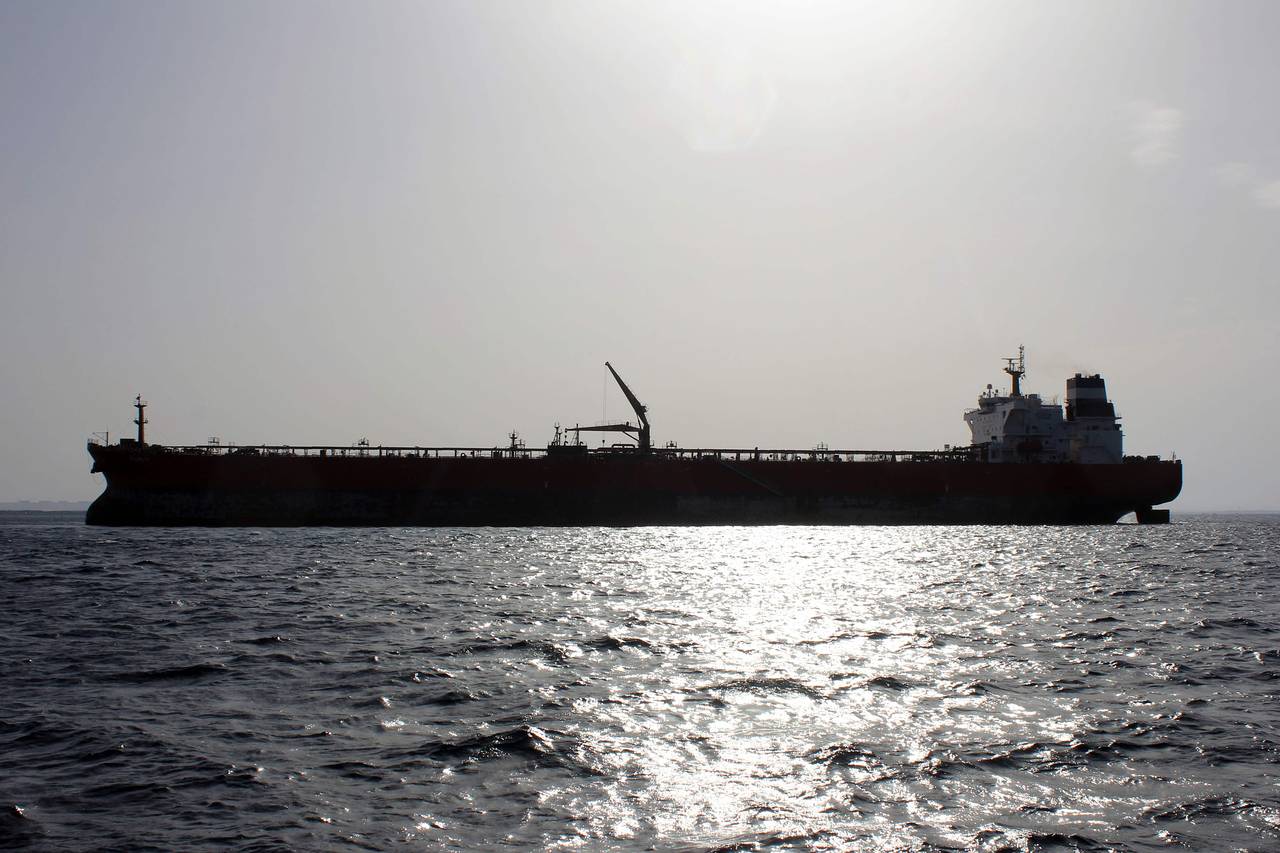
CAPE TOWN, April 6 – United States, Israel, and Iran has produced a dramatic reshaping of global energy logistics in decades, sending diesel tankers on routes that would ordinarily make no commercial sense and intensifying competition for refined fuel across Asia, Europe, and the Pacific.
The International Energy Agency has described the disruption as the largest in the history of the global oil market, with shipping through the Strait of Hormuz which normally carries around 20% of global oil consumption reduced to a trickle.
The agency notes that the loss of those flows has tightened markets significantly, pushing crude oil prices above $100 per barrel and driving even sharper increases in refined products such as diesel, jet fuel, and liquefied petroleum gas
Australia is grappling with a fuel supply crunch in April 2026, with national emergency reserves standing at approximately 39 days of petrol, 29 days of diesel, and 30 days of jet fuel well below the IEA’s recommended 90 days of import cover
Up to 70 to 80 percent of Australia’s refined petrol and diesel comes via Asian refineries dependent on Hormuz routes making the country acutely exposed to the disruption
IEA Executive Director Fatih Birol warned in late March that April would be “much worse than March,” explaining that in March there were still cargo ships carrying oil and gas that had transited the strait before the war. In April, he said, there is nothing
He singled out diesel and jet fuel as the most acute near-term concerns, adding that what was already visible in Asia would begin to spread to Europe by April or the beginning of May. On March 11, IEA member countries agreed to release 400 million barrels of oil from emergency stockpiles the largest stock draw in the agency’s history to offset some of the disruption
Traders and industry executives have warned that Europe faces a growing risk of diesel shortages in the weeks ahead, with the continent likely to be drawn into the same supply competition that is currently pulling barrels toward Asia and the Pacific.
Kuwait Petroleum Corporation chief executive Sheikh Nawaf al-Sabah warned the crisis amounted to an economic blockade against Middle Eastern oil producers and cautioned of a domino effect across the global economy, saying the costs of the conflict would extend through supply chains well beyond the region
