
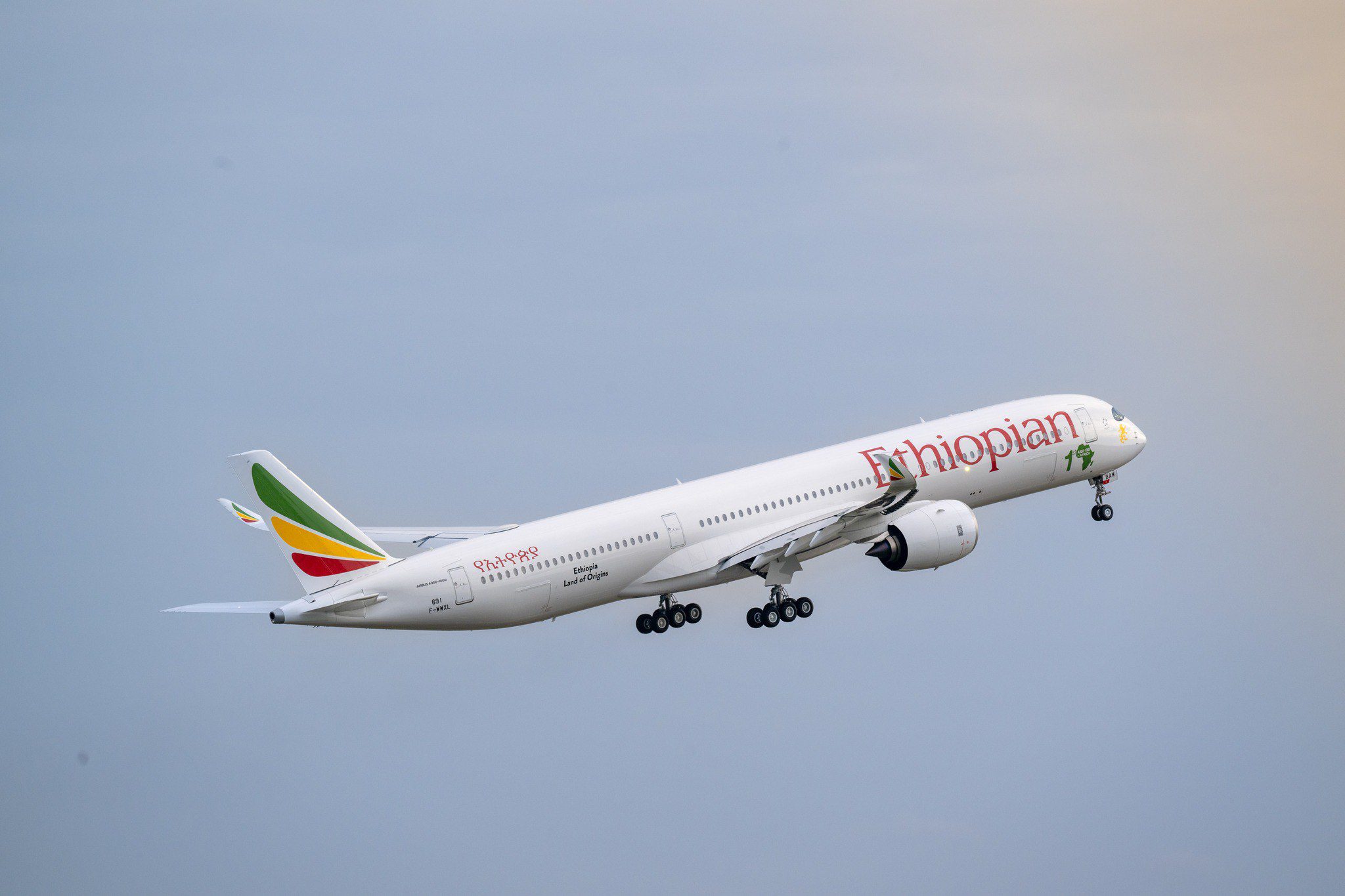
ADDIS ABABA, Mar 23 – Ethiopian Airlines is preparing to upgrade its domestic fleet with jet aircraft, a move aimed at enhancing speed, passenger comfort and service quality on internal routes. The airline currently operates around 28 Q400 turboprop aircraft domestically but plans a gradual transition to jets to meet rising demand across Ethiopian cities.
At the same time, four new regional airports, Negele Borena, Gore Mettu, Mizan Aman and Debre Markos, are nearing completion and expected to start operations within the next two months. The additions will raise domestic destinations from 23 to 27, expanding access to previously underserved areas.
Mesfin Tasew, chief executive of the group, framed the expansion as more than a commercial initiative, emphasising its national significance. “Millions depend on the airline for business, mobility and emergency services,” he said, describing domestic aviation as a key driver of socio-economic growth.
The airport locations were selected with regional economic potential in mind. Negele Borena is central to southern livestock trade corridors, while Debre Markos will serve agricultural and educational hubs in the Amhara region. Gore Mettu and Mizan Aman will improve connectivity for highland areas in the west and south-west, where coffee production dominates local economies.
Beyond new construction, the airline is modernising existing terminals, upgrading security systems and expanding aircraft parking areas to handle higher traffic volumes. These moves are part of Ethiopian Airlines’ Vision 2035 strategy, which aims to double domestic destinations over the next decade and ensure geographical barriers do not hinder mobility.
The group recently launched new services to Yabello, a town in southern Ethiopia’s Oromia Region and the administrative centre of the Borena Zone, bringing its total number of domestic destinations to 23.
Africa’s largest carrier reported 4.4 billion US dollars in revenue in the first half of this fiscal year, surpassing its target by two percent and marking a 14 percent increase compared with the same period last year.
