
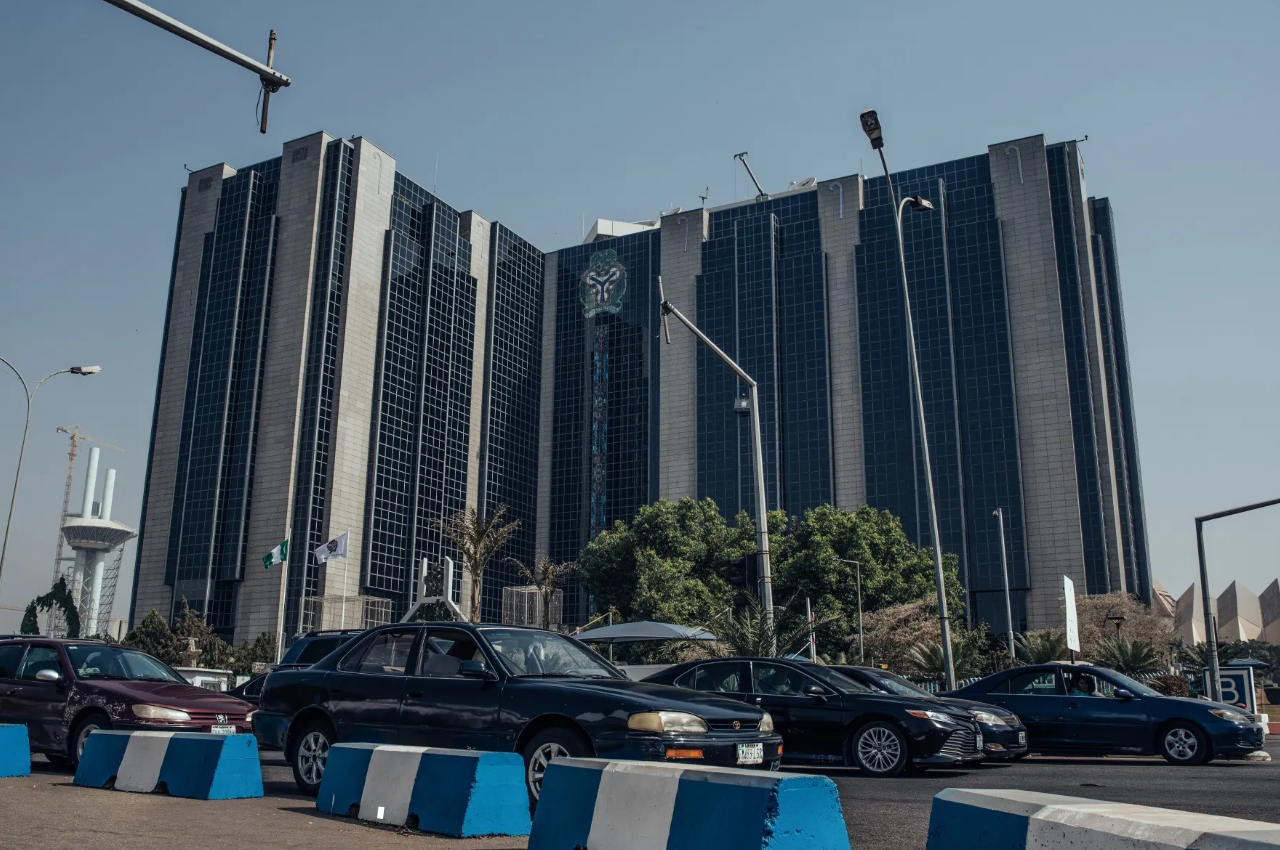
ABUJA, Mar 5 – The Central Bank of Nigeria has added responsibly sourced gold refined to global standards into the country’s foreign reserves, marking a significant step in its strategy to diversify reserve assets.
According to the bank, the latest acquisition brings Nigeria’s total gold holdings to about $3.5 billion, strengthening the country’s reserve position while reducing dependence on foreign currency.
The gold meets the internationally recognised standards set by the London Bullion Market Association for Good Delivery bars, ensuring the metal can be traded and accepted across global bullion markets.
Officials said the sourcing process follows international responsible mining frameworks, including the guidelines of the Organisation for Economic Co-operation and Development and the principles established by the World Gold Council for ethical gold supply chains.
Speaking at a workshop focused on strategies to maximize the economic value of Nigeria’s mineral resources, Olayemi Cardoso revealed that the central bank purchased the monetary-grade gold using the local currency, with pricing tied to international LBMA benchmarks.
This approach allows the bank to accumulate reserve assets without drawing down foreign exchange, a structure designed to strengthen the country’s external buffers.
By buying domestically refined gold in naira rather than foreign currency, the initiative is expected to support several policy objectives, including reserve growth, improved macroeconomic stability and a more diversified reserve portfolio.
The move also highlights the growing role of Nigeria’s mineral resources in strengthening economic resilience and reducing reliance on oil revenue.
Cardoso noted that central banks around the world are increasingly adjusting their reserve management strategies in response to geopolitical tensions and market volatility. In that environment, gold is gaining renewed importance as a hedge against inflation and global financial uncertainty.
The executive secretary of the Solid Minerals Development Fund, Fatima Umaru Shinkafi, said the successful delivery of LBMA-standard gold demonstrates the effectiveness of the fund’s formalisation framework and due diligence systems across the gold supply chain.
She added that the initiative strengthens Nigeria’s efforts to integrate artisanal and small-scale mining into a more structured and transparent sector.
Kurtulus Taskale Diamondopoulos of the World Gold Council praised the collaboration between the central bank and the SMDF, noting that the Nigerian Gold Purchase Programme aligns with the twelve London Principles for responsible sourcing in artisanal and small-scale gold mining.
She described the partnership between the central bank, acting as the sole buyer of the gold, and the SMDF, which manages the fiscal and supply chain framework, as a potential model for other countries seeking to formalise their gold industries.
Meanwhile, Samaila Zubairu, President and Chief Executive Officer of the Africa Finance Corporation, reaffirmed the institution’s commitment to supporting the development of Nigeria’s mineral sector.
Zubairu emphasised that improved geological data and stronger mineral processing capacity will be critical in attracting investment and increasing gold recovery across the country.
