
CAIRO, Mar 2 – The escalation of the Middle East conflict following Israel-US strikes on Iran on February 28 has injected fresh volatility into global markets, with Brent crude briefly surging 13 percent and trading near 79 dollars a barrel as of March 2 amid fears of disruption in the Strait of Hormuz.
Crude prices have climbed sharply from roughly 60 dollars in January. For oil exporters such as Nigeria, Angola, Algeria and Libya, the spike offers short term fiscal relief. Higher Brent prices strengthen foreign exchange reserves, improve budget execution and ease debt servicing pressures.
Analysts said higher oil prices offer short-term fiscal relief for African exporters, but warned that sustained energy shocks could reignite inflation and tighten financial conditions across import-dependent economies, limiting room for monetary easing.
Nigeria’s upside extends beyond upstream production. With refining margins widening, the Dangote Refinery stands to benefit from stronger global demand for refined products and reduced arbitrage pressure.
Yet the gains remain fragile. Without accelerated production ramp up, subsidy discipline and foreign exchange stabilization, any windfall risks being absorbed by recurrent expenditure rather than structural reform.
For net importers across East and West Africa, the outlook is more severe. Higher fuel import bills widen trade deficits, intensify food inflation and strain fiscal balances. In vulnerable economies, sustained crude prices above 100 dollars per barrel could materially compress growth through currency depreciation and subsidy expansion.
The oil shock once again highlights Africa’s structural divide between producers and import dependent economies.
Trade and Logistics: Red Sea and Hormuz Risks
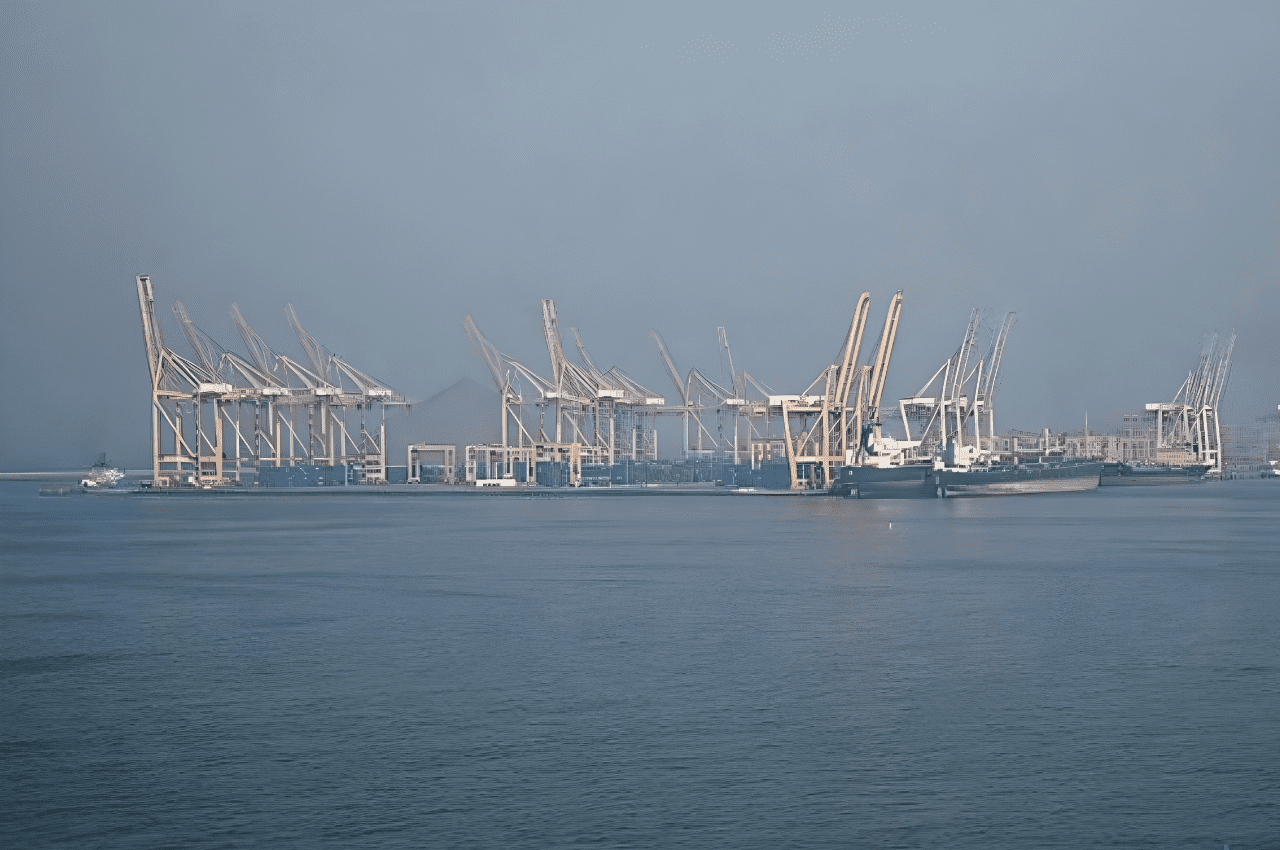
The geopolitical strain extends beyond oil. Attacks in the Red Sea and concerns surrounding Hormuz have forced vessels to reroute around the Cape of Good Hope, adding up to nearly two weeks to Asia Europe shipping routes. Freight and insurance premiums are rising accordingly.
East African ports are facing congestion from additional bunkering calls. Delays in food and fertilizer shipments threaten to compound existing vulnerabilities. Nigeria’s shipping sector is preparing for rate increases, while Egypt faces indirect pressure through reduced traffic in the Suez Canal.
If sustained, these disruptions will transmit further inflation into African consumer markets.
Financial Markets: Capital Seeks Safety
The escalation has triggered a classic risk off cycle. African currencies and equities have weakened as global investors rotate into dollar assets and US Treasuries. The South African rand depreciated in the immediate aftermath of the strikes, reflecting broader emerging market sensitivity to geopolitical shocks.
For frontier and emerging issuers, wider bond spreads and postponed Eurobond issuance may follow. In a high inflation environment, central banks may find limited space to ease policy as they defend currencies and anchor expectations.
Higher oil prices could stimulate exploration funding in Namibia and Senegal. Algeria may leverage sovereign buffers to balance hydrocarbons with renewable expansion, while Angola is targeting marginal field development during high price cycles.
The decisive factor is whether producers convert cyclical gains into structural capacity and long term competitiveness.
Tourism Substitution: A Quiet Opportunity
Regional instability is also reshaping travel flows. As routes face suspension and advisories rise, tourists may pivot toward destinations perceived as stable. Africa’s tourism sector, which has recently recorded solid growth in international arrivals, could capture redirected demand from parts of the Middle East and North Africa.
Markets such as Morocco and Egypt have historically benefited from substitution effects during regional shocks. Sub Saharan destinations including South Africa, Mauritius and Kenya could attract additional leisure and adventure travelers.
Realizing this upside will depend on air connectivity, visa policy agility and sustained security perception.