
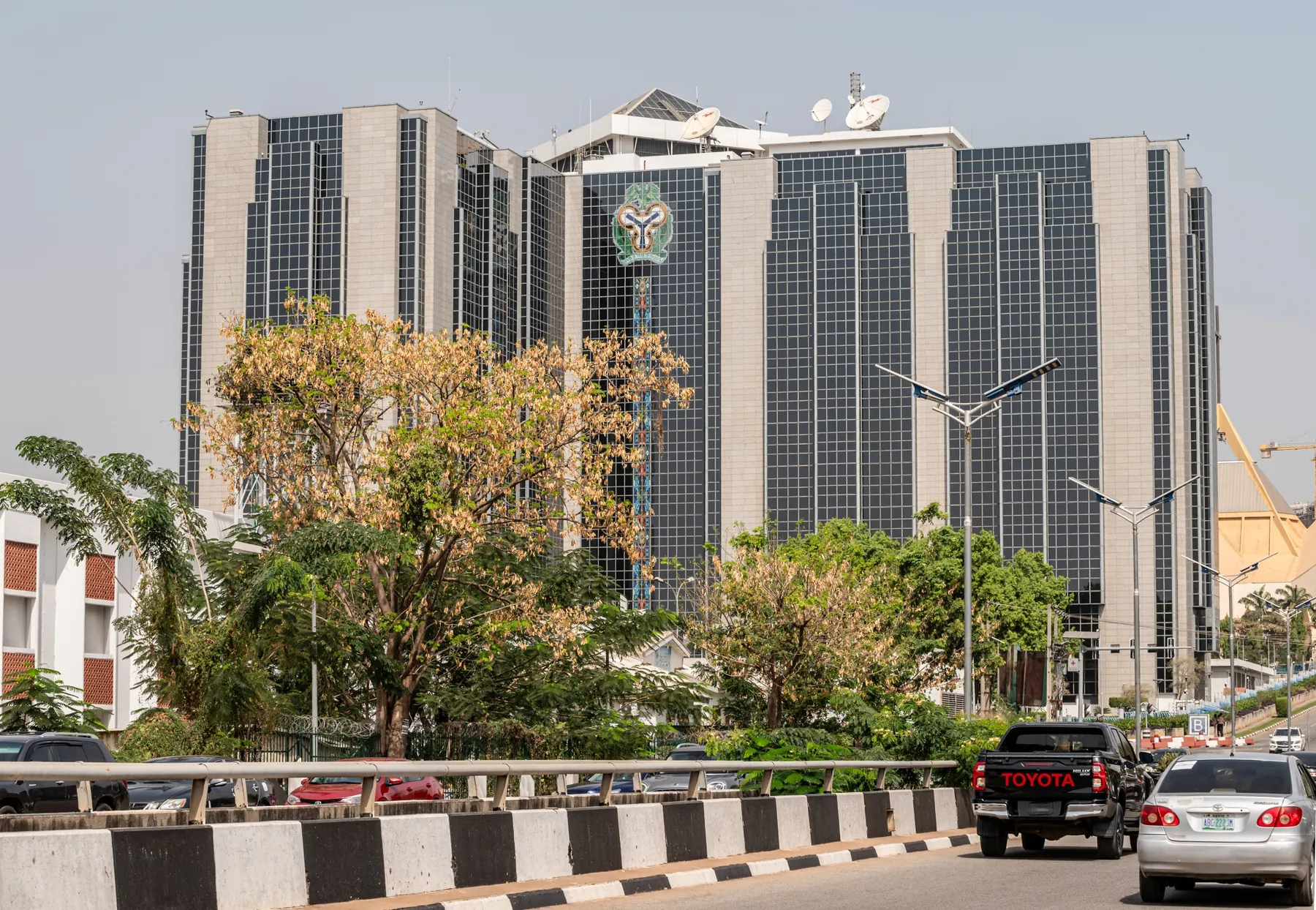
ABUJA, Nov 24 – Nigeria’s central bank has kept its benchmark interest rate at 23%, signalling a cautious approach to monetary easing as policymakers seek to consolidate recent progress in reducing inflation.
Governor Olayemi Cardoso announced the decision on Tuesday, saying maintaining the rate would help anchor inflation expectations. The move follows an unexpected 350-basis-point reduction in September, when the Central Bank of Nigeria (CBN) lowered borrowing costs to improve monetary policy transmission after market interest rates had diverged from its benchmark.
The latest decision was broadly anticipated by economists. Six of the seven economists surveyed by Reuters had forecast that the Monetary Policy Committee would leave the rate unchanged.
Nigeria’s headline inflation eased to 14.06% year-on-year in October, down from 14.63% in September, according to the latest figures cited in the report. The moderation provides further evidence of a slowdown in consumer price increases, although the CBN’s decision suggests policymakers remain cautious about the durability of the disinflation trend.
CBN prioritises inflation expectations
The decision to maintain the rate comes after September’s sizeable reduction, which marked a shift in the bank’s approach to monetary policy transmission.
The CBN had said the 350-basis-point cut was intended to strengthen the relationship between its benchmark rate and prevailing market rates. The divergence had weakened the effectiveness of the policy rate as a signal for broader financial conditions.
By holding the benchmark at 23%, the bank is seeking to preserve a restrictive monetary stance while allowing the effects of the previous reduction to work through the financial system.
Cardoso’s emphasis on anchoring inflation expectations points to the importance policymakers attach not only to the direction of inflation but also to confidence that price pressures will continue to moderate.
Inflation eases, but policy remains cautious
The decline in annual inflation to 14.06% in October from 14.63% a month earlier offers a more favourable price outlook than in the preceding month.
However, a moderation in headline inflation does not necessarily mean that price pressures have been fully contained. The central bank’s decision to hold rates suggests it wants further evidence that the downward trend can be sustained before considering additional easing.
The unchanged rate also maintains borrowing costs at a level intended to support price stability, while giving the CBN time to assess how September’s adjustment has affected market rates and the broader economy.
For businesses and investors, the policy decision provides continuity in the benchmark rate following September’s unexpected reduction. The next phase of monetary policy will depend on the trajectory of inflation, the effectiveness of policy transmission and the central bank’s assessment of the risks to price stability.
