
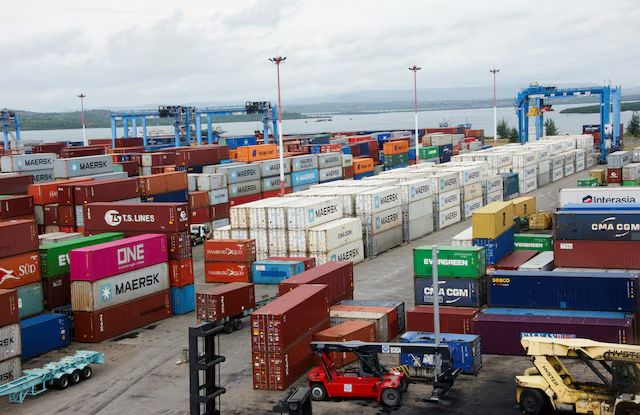
NAIROBI, Nov 22 – Kenya’s principal maritime gateways recorded further growth in cargo activity between January and October 2026, with container traffic at the ports of Mombasa and Lamu rising 12% to 1.97 million twenty-foot equivalent units (TEUs), according to the Kenya Ports Authority (KPA).
The figure compares with 1.76 million TEUs recorded over the corresponding previous period. Total cargo throughput also increased by 7.5% to 40.08 million metric tonnes, reflecting higher volumes moving through the country’s maritime infrastructure.
The latest figures extend a period of sustained growth at Mombasa, which serves as a major trade gateway for Kenya and several landlocked countries in East and Central Africa. Rising container volumes reflect demand from importers, exporters and regional traders, while placing greater operational demands on port infrastructure, equipment and cargo-handling systems.
Three years of expanding port activity
Mombasa’s recent performance follows a period of increasing container and cargo volumes. The port handled 1.62 million TEUs in 2023, representing an 11.9% increase. In 2024, container traffic exceeded two million TEUs for the first time, reaching 2,004,683 units, alongside total cargo throughput of 40.99 million metric tonnes.
Activity continued to expand in 2025, when the port handled 2.11 million TEUs, an increase of 5.5%. Cargo throughput reached a record 45.45 million tonnes during the year.
The January to October 2026 figures indicate that demand has remained strong across Kenya’s port network. However, the ten-month performance should be distinguished from full-year results when assessing the pace of growth against previous years.
Infrastructure and operational efficiency
KPA attributed the latest increase to investments in port infrastructure, modern cargo-handling equipment, improved operational efficiency and digital transformation initiatives.
These measures are intended to increase handling capacity, improve service delivery and support the movement of larger cargo volumes through the port system. Their importance is heightened by the role Mombasa plays in regional supply chains, where delays and higher logistics costs can affect businesses beyond Kenya’s borders.
A further indication of operational improvements came in September 2026, when port workers discharged 863 containers from a single vessel during one shift at Berth 22. KPA described the operation as a new single-shift discharge record, surpassing the previous performance achieved by port teams.
The milestone highlights the importance of berth productivity and cargo-handling efficiency as container traffic increases. Higher throughput is not determined by infrastructure capacity alone, but also by how effectively vessels, equipment, workers and cargo movements are coordinated.
Mombasa’s expanding continental maritime role
Kenya’s maritime ambitions also extend beyond cargo handling. Mombasa is set to host the continental headquarters of the Association of African Maritime Administrations (AAMA), following a decision taken in Kampala.
The proposed headquarters is expected to strengthen Kenya’s position in coordinating maritime priorities across the continent and supporting Africa’s representation in international maritime discussions, including at the International Maritime Organization and the African Union.
Kenya also secured another two-year term as chair of the 35-member organisation, with Kenya Maritime Authority Director General CPA Omae Nyarandi retaining the position.
The developments add an institutional dimension to Mombasa’s role in regional and continental maritime affairs. Alongside its position as a commercial gateway, the city is expected to become a focal point for cooperation among African maritime administrations.
The regional trade implications
The continued expansion of container and cargo volumes at Mombasa and Lamu is significant for East Africa’s trade and logistics network. Mombasa serves not only the Kenyan economy but also regional markets that depend on access to international shipping routes.
As volumes increase, the ability to maintain efficient cargo clearance, predictable vessel turnaround times and reliable inland connections will remain important to the competitiveness of the corridor.
The latest growth figures point to rising activity across Kenya’s port system. Sustaining that performance will depend on whether infrastructure expansion and operational improvements keep pace with demand, while strengthening the ports’ capacity to serve regional trade efficiently.
