
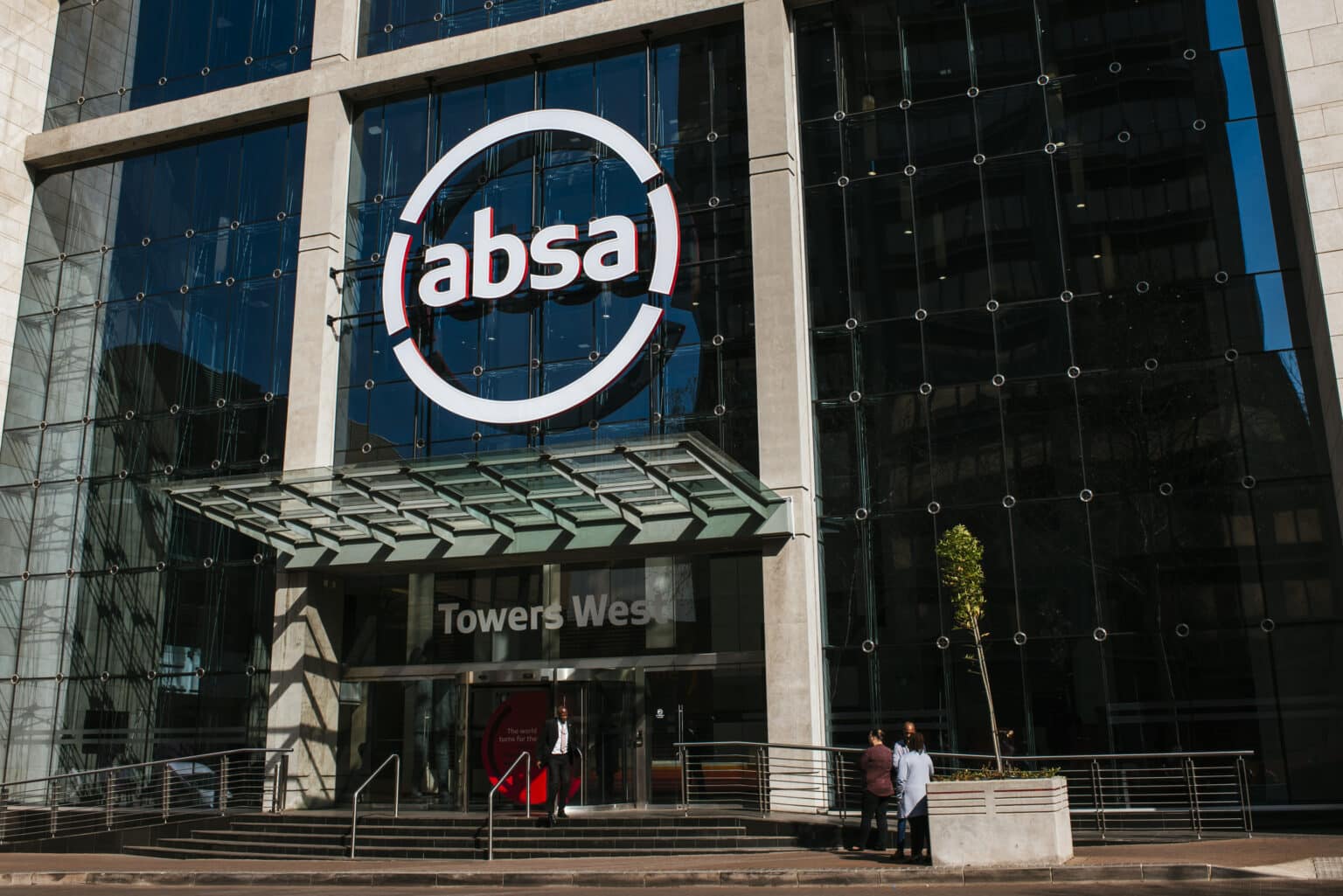
JOHANNESBURG, Oct 5 – Absa Group Ltd. has launched an institutional digital-asset custody service in South Africa, positioning the banking group to capture growing demand for regulated infrastructure around cryptocurrencies and other digital assets.
The Johannesburg-based lender is initially offering the service to institutional clients, including asset managers, corporates and non-bank financial institutions. Absa is also considering extending the offering to additional client segments in South Africa and other African markets where it operates, subject to regulatory approvals.
The bank secured regulatory approval before launching the service. The initial platform supports Bitcoin, Ethereum, XRP Ledger and the USDC stablecoin, with additional assets potentially to be added as institutional demand develops.
Digital-asset custody allows regulated financial institutions to safeguard and administer crypto assets on behalf of clients. The custodian manages the infrastructure required to protect cryptographic keys, facilitate transfers and handle related administrative functions, reducing the need for institutions to manage these systems independently.
“Bitcoin is the predominant asset in custody,” Absa said, adding that it is also working with clients on “other crypto assets they would like to be custodied in South Africa.”
Absa plans to expand the service beyond its initial institutional customer base in South Africa and is assessing opportunities to introduce it in other African markets.
“We expect to extend this to other client segments in South Africa in due course, and are actively working on bringing the solution to some of our other African presence countries in line with regulatory approvals required,” Downes said.
South Africa’s Digital-Asset Market
The launch comes as South Africa’s regulated crypto market expands. Data from the South African Reserve Bank shows that crypto assets held by Luno, VALR and Ovex reached approximately R25.2 billion at the end of 2024, up sharply from about R12.2 billion at the end of 2023. The central bank also recorded around 6.6 million registered customers across the three platforms in 2024.
Bitcoin accounted for the largest share of assets held in custody, followed by XRP and Ethereum, according to the Reserve Bank’s financial stability data.
For Absa, the move brings traditional banking infrastructure into a market that has increasingly moved toward formal regulatory oversight. Institutional custody can provide asset managers and other regulated investors with a banking-based infrastructure for holding digital assets rather than relying solely on specialist crypto platforms.
Nigeria Also Strengthens Digital-Asset Regulation
South Africa is not alone in strengthening its regulatory framework for digital assets. Nigeria has also moved toward a more coordinated supervisory structure.
In July, President Bola Ahmed Tinubu signed the Presidential Executive Order on Virtual Assets Coordination, 2026, establishing a framework intended to coordinate the responsibilities of financial, capital-market and revenue authorities overseeing virtual assets. The order also provided for a Central Bank of Nigeria regulatory sandbox and a coordinated approach to taxation and supervision.
The Securities and Exchange Commission of Nigeria has separately expanded its Accelerated Regulatory Incubation Programme for virtual-asset service providers. In August, the SEC admitted three additional VASPs, including Yellow Card Financial Limited, into the programme, while earlier approvals included GIGX Technologies and KuCoin Nigeria.
These developments indicate a broader shift across major African financial markets toward bringing digital-asset businesses and services within defined regulatory frameworks.
Absa’s Financial Performance
The digital-asset initiative comes as Absa continues to expand its broader financial-services operations across Africa. For the six months ended June 30, 2026, the group reported a 4% increase in revenue to R58.8 billion. Pre-provision profit rose 4% to R27.4 billion, while credit impairments declined 1% to R7.1 billion. Headline earnings increased 8% to R12.8 billion during the period.
Absa operates banking businesses across South Africa, Botswana, Ghana, Kenya, Mauritius, Mozambique, Seychelles, Tanzania, Uganda and Zambia, alongside representative offices in Nigeria and Namibia.
Its Nigerian operations include Absa Representative Office Nigeria, Absa Capital Markets Nigeria and Absa Securities Nigeria, with activities spanning trade finance, investment banking and capital-markets services.
The expansion into digital-asset custody therefore adds a new institutional product to Absa’s broader African banking platform, while giving the group an avenue to participate in the developing infrastructure around regulated digital assets.
