
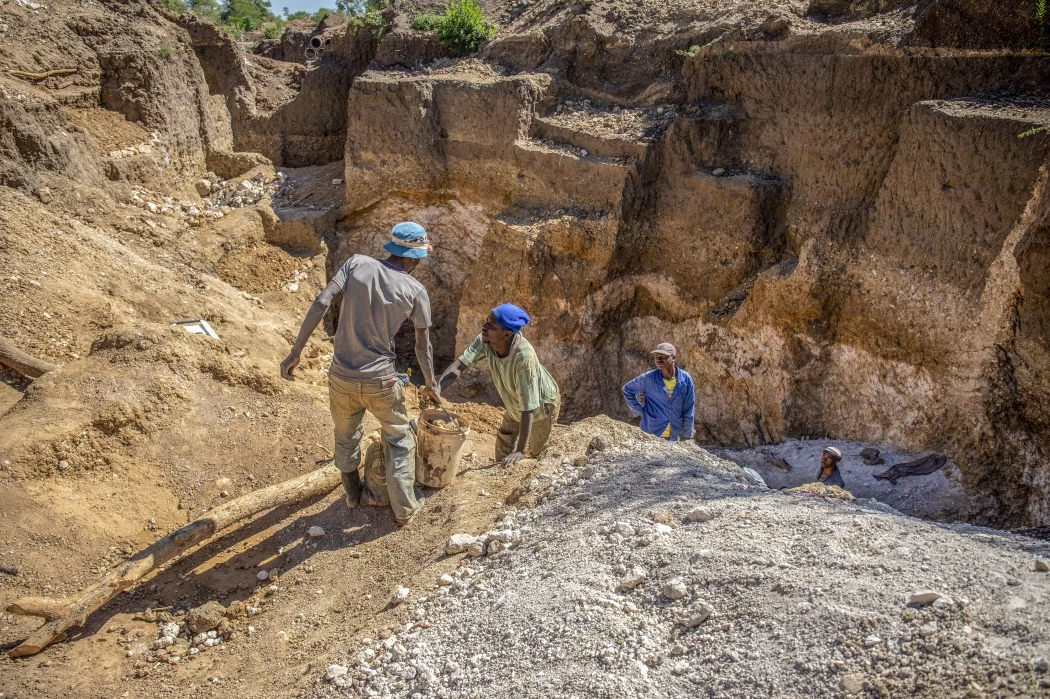
LUSAKA, Sept 2 – Zambia expects to unlock more than $1.8 billion in value from its small-scale gold industry by formalising informal mining and gold trading, according to the chief executive of state-controlled mining investor ZCCM Investments Holdings Plc.
Kakenenwa Muyangwa, chief executive officer of ZCCM Investments Holdings, said Zambia could substantially increase officially recorded gold exports by bringing existing informal activity into the regulated economy.
In an interview, Muyangwa pointed to a significant discrepancy between the volumes of gold Zambia officially reports as exports and the quantities of Zambian gold recorded as imports by destination countries. He said narrowing that gap could reveal a much larger economic opportunity within the country’s gold sector.
The strategy is based partly on Ghana’s experience in formalising small-scale gold mining and bringing informal producers and traders into regulated channels. By adopting a similar approach, Zambia aims to improve oversight of gold production, increase official export volumes and capture a greater share of the economic value generated by the commodity.
For Zambia, the opportunity extends beyond higher export figures. Greater formalisation could provide authorities with improved visibility over production and trading flows while potentially increasing government revenues from an industry that currently operates partly outside formal channels.
The push comes as African governments seek to strengthen control over mineral resources and retain more value from rising global demand for commodities. Gold, in particular, has become an increasingly important source of foreign exchange for several African economies, while governments are under pressure to reduce leakages from informal and illicit mineral trading.
Zambia is better known globally for its copper industry, but the potential scale of its gold sector could provide an additional source of export earnings if production and trade are brought more fully into the formal economy.
The proposed strategy will therefore depend on the government’s ability to establish effective regulatory systems, improve access to formal markets and create incentives for small-scale miners and traders to operate within the legal framework.
If successfully implemented, Zambia’s formalisation drive could transform a largely informal gold trade into a more visible contributor to exports, public revenues and broader economic activity.
