
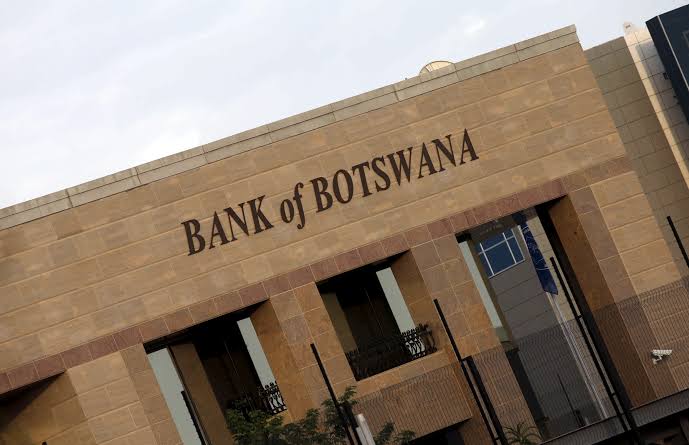
GABORONE, Aug 27 – The Bank of Botswana kept its monetary policy rate unchanged at 5.5% for a second consecutive meeting, maintaining a cautious stance as it assesses the potential second-round effects of higher domestic fuel prices and electricity tariffs on inflation.
Annual inflation slowed to 9.4% in July from 10.7% in June, but remained significantly above the central bank’s medium-term target range of 3% to 6%. Policymakers are therefore continuing to monitor whether recent increases in administered prices could feed into broader consumer prices and inflation expectations.
Central Bank Governor Lesego Moseki said inflation is expected to remain above the target range until the first quarter of 2027. He stressed the need for continued vigilance and careful management of inflation expectations as policymakers work towards bringing price growth back within the target range.
The central bank has nevertheless become more optimistic about the inflation outlook for this year. It lowered its average inflation forecast for 2026 to 7.9%, from the 9.0% projection issued in June. For 2027, the bank expects inflation to moderate to 4.9%, compared with its previous forecast of 5.5%.
The decision to maintain the policy rate comes against a difficult economic backdrop for Botswana. The economy has been affected by a prolonged downturn in global diamond markets, with gross domestic product contracting in each of the past two years.
The weakness in the diamond industry is particularly significant for Botswana because of the sector’s importance to exports, government revenue and economic activity. The combination of subdued diamond demand and elevated inflation creates a challenging environment for monetary and fiscal policymakers.
The central bank’s decision to hold rates therefore reflects a balance between containing persistent inflationary pressures and avoiding additional pressure on an economy already facing weakness in a key export sector.
With inflation still above the target range, the path of domestic fuel and electricity prices will remain important for the monetary policy outlook. At the same time, the central bank’s lower inflation forecasts suggest policymakers expect price pressures to ease gradually, potentially bringing inflation back within the target range during 2027.