
NAIROBI, May 30 – Kenya has temporarily halted plans to establish a United States-backed Ebola quarantine facility after a court order suspended the project pending the outcome of a legal challenge.
The proposed 50-bed facility was set to be located at a military installation in central Kenya and was intended to accommodate American citizens exposed to the ongoing Ebola outbreak in Central Africa who had not yet developed symptoms.
According to U.S. officials, individuals who later tested positive or developed symptoms would be transferred to treatment centers outside the United States for medical care.
The plan has generated significant public debate in Kenya since details emerged earlier this week, with critics raising concerns about public health risks, transparency and constitutional oversight.
In a ruling issued on Thursday, High Court Judge Patricia Nyaundi directed authorities not to admit any Ebola-exposed or infected individuals under the proposed arrangement until the case is fully heard and determined.
The legal challenge was filed by the Katiba Institute, which argues that the initiative raises serious constitutional questions relating to public health protections, public participation, administrative accountability and parliamentary oversight.
The court is expected to hear the matter again on June 2.
The Kenyan government reportedly granted written approval for the facility but has so far provided limited public explanation regarding the agreement.
The controversy comes as the administration of Donald Trump has maintained that Ebola patients will not be allowed onto U.S. soil, prompting efforts to establish alternative quarantine arrangements for exposed Americans involved in outbreak response operations.
The proposed center was expected to be staffed by members of the U.S. Public Health Service, with dozens of personnel reportedly deployed to Kenya ahead of the planned opening.
Kenyan authorities have also sought assurances that the facility would not exclusively serve U.S. citizens, though details of the final operating arrangements remain unclear.
Meanwhile, the United States has pledged approximately $13.5 million to support Kenya’s Ebola preparedness and response efforts.
The legal dispute comes amid a worsening outbreak of the rare Bundibugyo strain of Ebola in parts of Central Africa.
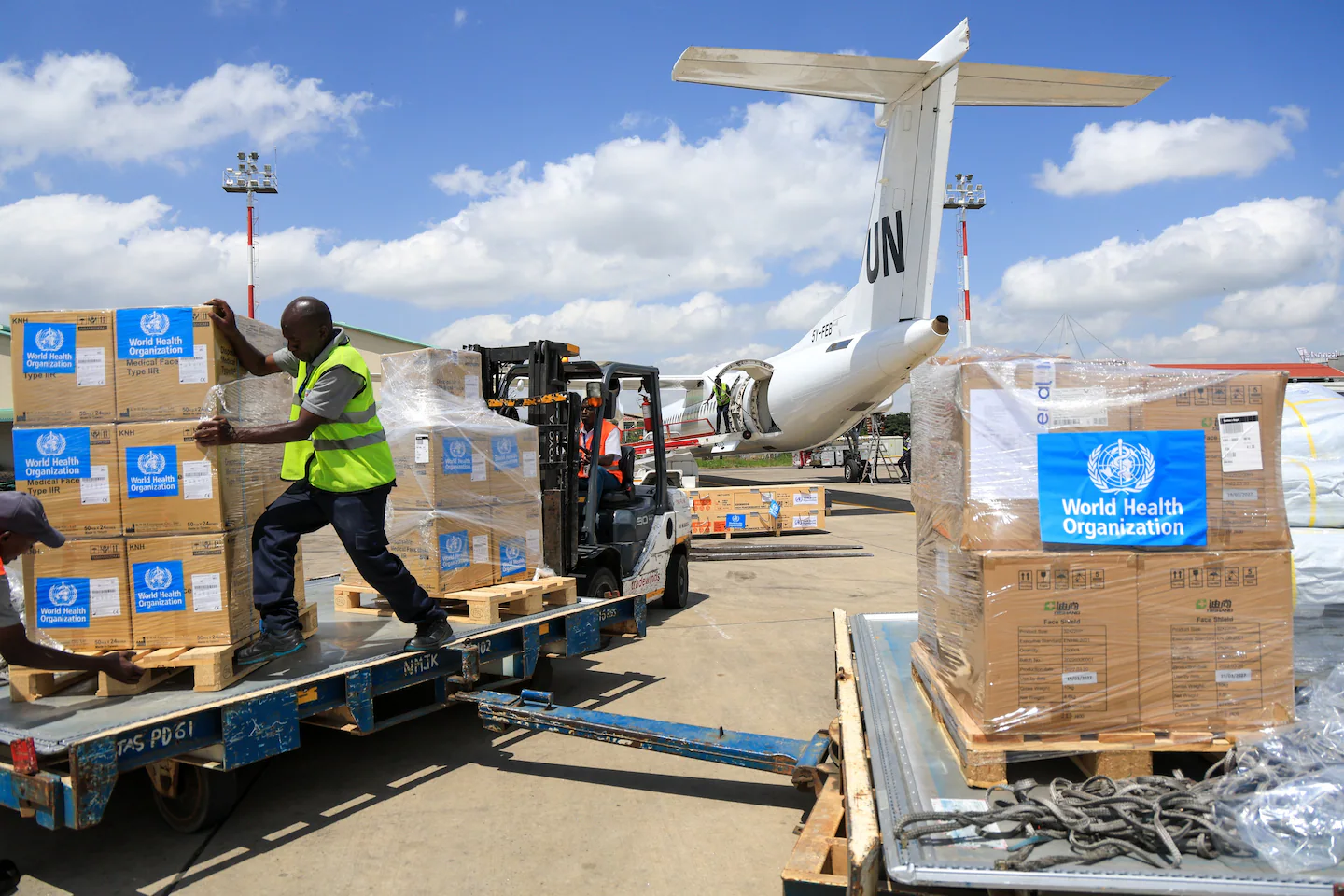
According to the World Health Organization, more than 1,000 suspected and confirmed cases have been reported since the outbreak was identified, with at least 246 deaths recorded.
Health experts have cautioned that the true scale of the outbreak may be significantly higher due to delayed detection, insecurity in affected regions and challenges associated with tracing contacts in conflict-affected areas of eastern Democratic Republic of the Congo.
The issue has also sparked opposition from Kenya’s main medical union, which has threatened industrial action unless authorities publicly disclose the terms of the agreement with the United States.
Some public health specialists in the United States have likewise questioned the proposal, arguing that it could discourage medical personnel from participating in Ebola response missions abroad.
The court’s decision leaves the future of the quarantine facility uncertain as legal, political and public health debates continue.
