
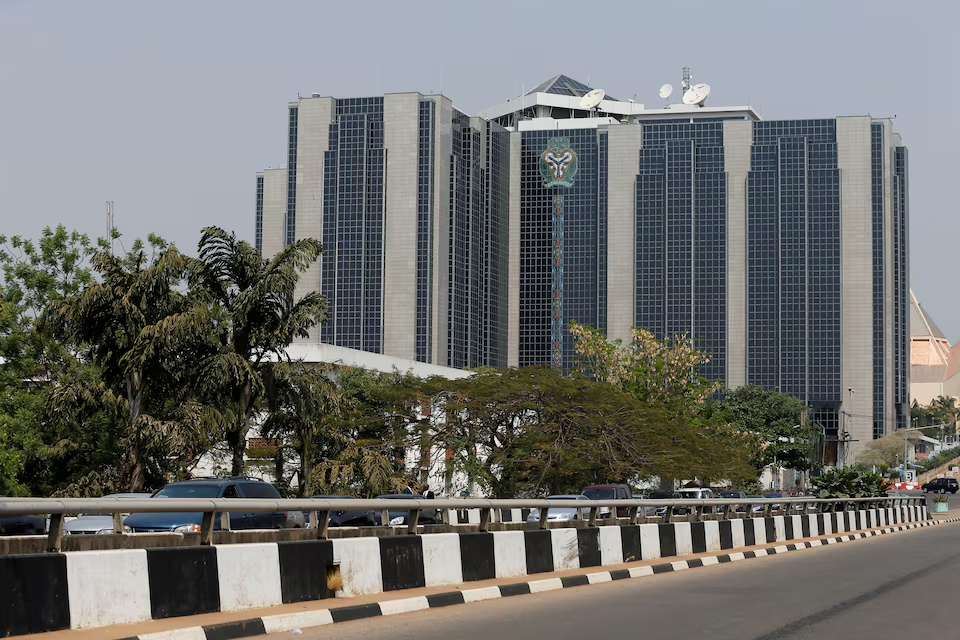
ABUJA, May 20 – The Central Bank of Nigeria kept its benchmark interest rate unchanged at 26.5% on Wednesday as policymakers maintained a cautious stance in response to rising inflation pressures and growing global economic uncertainty.
The decision matched expectations from most economists and comes after the central bank reduced rates by 50 basis points at its previous policy meeting in February.
Olayemi Cardoso, governor of the Central Bank of Nigeria, said policymakers remain focused on anchoring inflation expectations and preserving macroeconomic stability.
Cardoso said the Monetary Policy Committee adopted a “cautious and vigilant” approach amid persistent inflation risks and external pressures.
Nigeria’s inflation rate accelerated for a second consecutive month in April as higher global energy prices linked to the conflict involving the United States, Israel and Iran pushed up domestic fuel costs and filtered into food prices.
The increase in inflation has complicated expectations for monetary easing despite earlier signs that price pressures were moderating before the escalation in geopolitical tensions.
Nigeria had previously recorded several consecutive months of slowing inflation following aggressive monetary tightening and exchange-rate reforms introduced over the past year.
However, rising transport costs, energy prices and imported inflation pressures have renewed concerns about the inflation outlook.
The central bank’s decision highlights the difficult balancing act facing policymakers as they attempt to support economic growth while preventing inflation from becoming entrenched.
Higher fuel prices have also increased pressure on households and businesses in Africa’s largest economy, particularly as authorities continue to resist calls for a return to broad fuel subsidies scrapped in 2023.
Analysts expect the central bank to remain cautious in the coming months as global oil markets, exchange-rate volatility and domestic liquidity conditions continue shaping inflation expectations.
