
JOHANNESBURG, June 17 – The New Development Bank has approved a $1 billion loan for South Africa to support large-scale infrastructure upgrades across the country’s eight metropolitan municipalities, reinforcing efforts to improve public services and stimulate economic growth.
The financing, approved during a meeting of the bank’s board in Shanghai, will support investments in water supply, sanitation, electricity distribution and solid waste management infrastructure in South Africa’s largest urban centers.
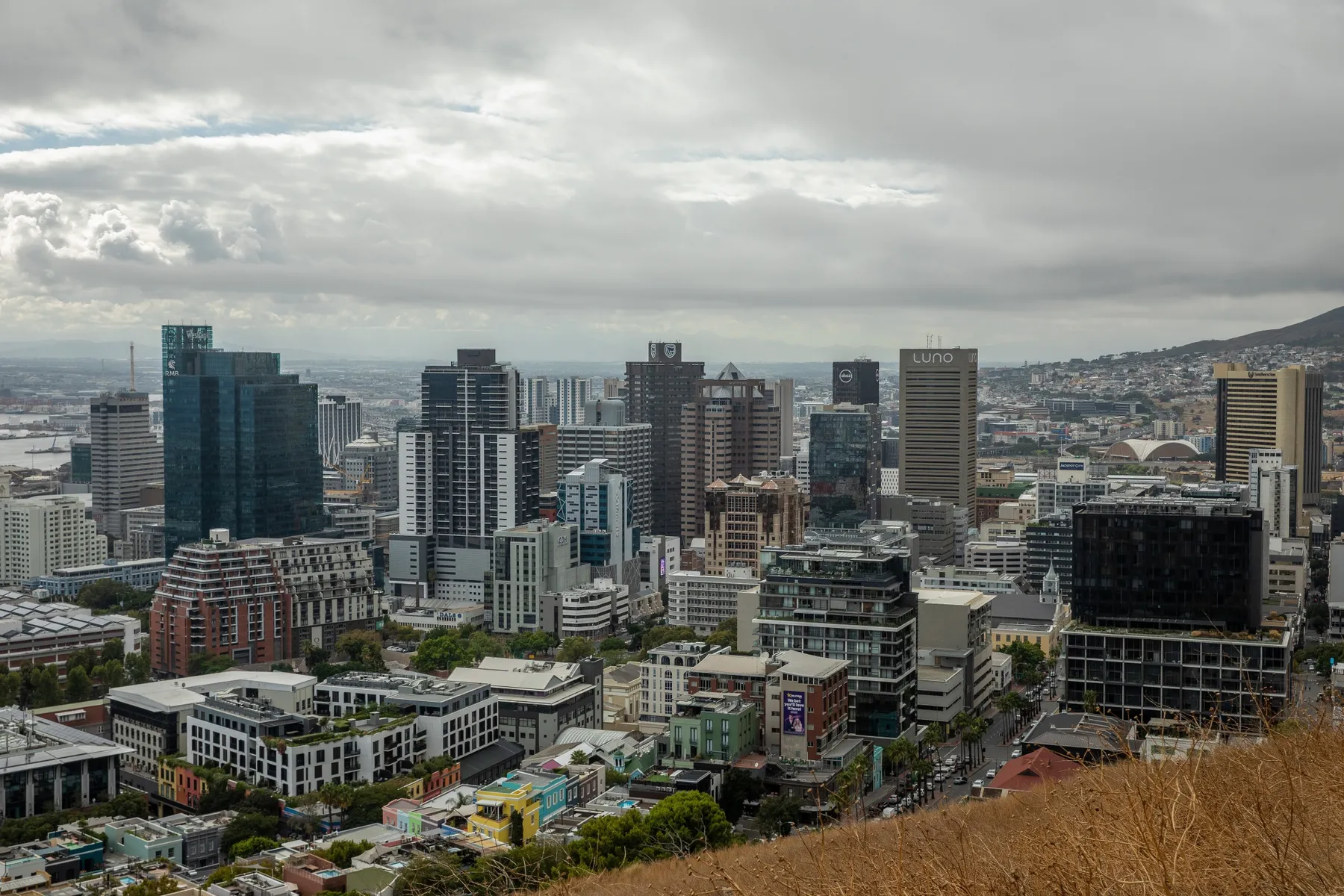
According to the NDB, the programme will benefit the metropolitan municipalities of Cape Town, Johannesburg, Tshwane, Ekurhuleni, eThekwini, Buffalo City, Mangaung and Nelson Mandela Bay.
Together, these municipalities are home to approximately 22 million people and account for more than two-thirds of South Africa’s economic activity.
The lender said the programme is expected to improve living standards, strengthen service delivery and enhance the business environment in the participating cities, supporting the country’s long-term development objectives under the National Development Plan 2030.
The NDB, established by the BRICS countries of Brazil, Russia, India, China and South Africa, has become an increasingly important source of infrastructure financing for Africa’s most industrialized economy.
The latest approval follows a series of major NDB-backed projects in South Africa over the past year, reflecting growing cooperation between the country and the multilateral lender.
South Africa’s National Treasury has recently launched reforms aimed at improving the performance of municipal trading services, particularly in water, electricity and waste management.
The initiative is supported by approximately R54 billion in performance-linked grants and seeks to unlock an estimated R100 billion in additional infrastructure investment by encouraging municipalities to ring-fence revenue for critical capital projects.
Beyond the metropolitan programme, infrastructure investment efforts are also expanding into other municipalities.
The Development Bank of Southern Africa is currently preparing an integrated municipal waste management programme targeting municipalities including Buffalo City, uMhlathuze, Steve Tshwete, Newcastle, Rustenburg and Mbombela.
The programme is expected to support improved waste collection, recycling, organic waste treatment and the integration of informal waste reclaimers into municipal waste systems.
South Africa has increasingly turned to the NDB to finance strategic infrastructure projects.
The latest loan brings the value of NDB financing approved for South Africa since December to approximately R44.2 billion.
Recent approvals include a $1 billion loan for the modernization of urban rail infrastructure, a $200 million facility for the construction of the new Limpopo Academic Hospital, a $205 million investment in the Magalies bulk water supply scheme and a $190 million loan supporting the Olifants water management programme.
Additional financing has also been directed toward credit guarantee programmes and infrastructure projects through the Industrial Development Corporation.
The growing pipeline of investments comes as South Africa seeks to address a significant infrastructure deficit that has accumulated over several decades.
Infrastructure investment has declined from around 30% of GDP in the early 1980s to approximately 15% in recent years, contributing to an estimated infrastructure gap of between $254 billion and $329 billion.
Policymakers view increased investment in transport, water, energy and municipal services as critical to boosting economic growth, improving competitiveness and strengthening long-term development outcomes.
