
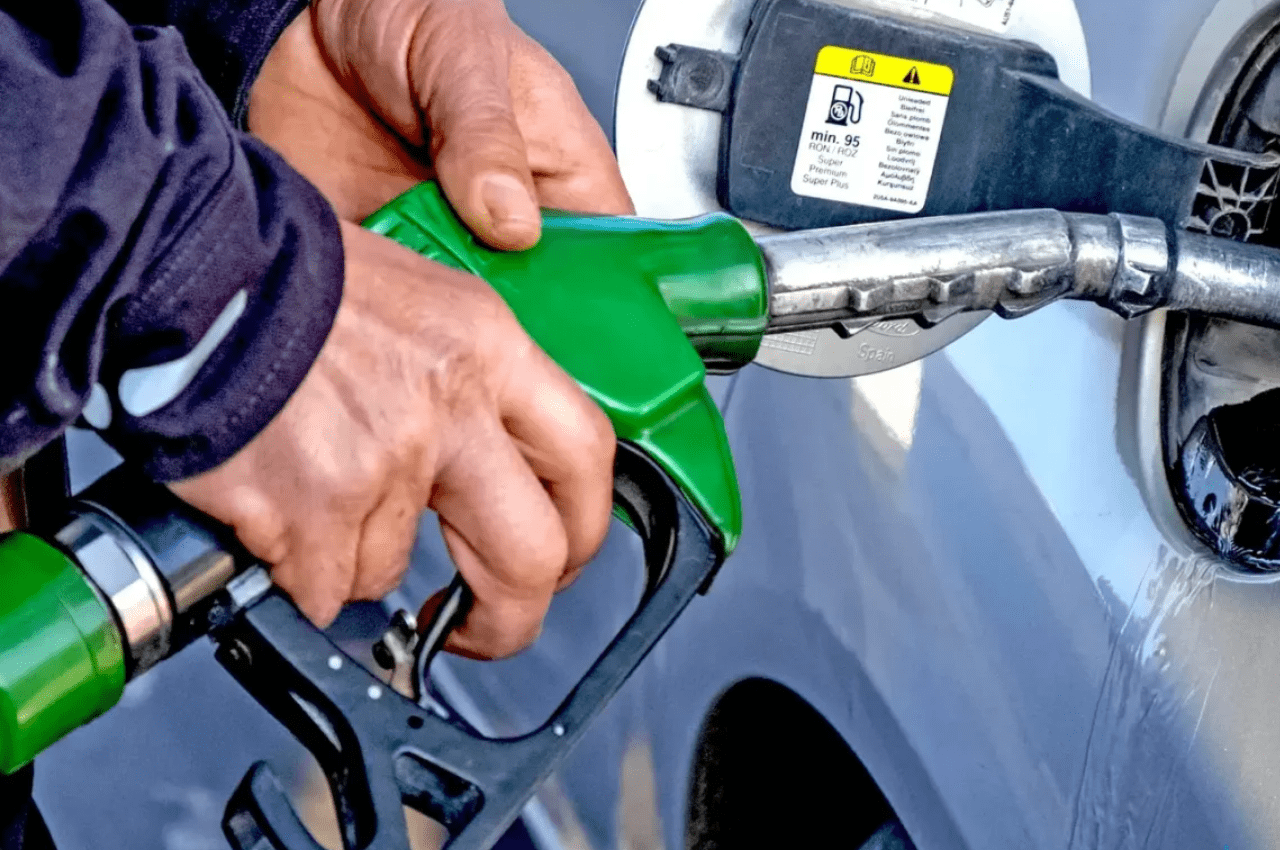
RABAT, April 6 – Morocco is facing renewed pressure on fuel costs after prices surged sharply in March, highlighting volatility in global oil markets and raising concerns over transport costs and inflation.
Data shows fuel prices rose by about 13.9% within a month, the hihest recorded so far since 2022 Russia-Ukraine conflict. Diesel increased by roughly MAD 2 per litre, while gasoline climbed by around MAD 2.4, pushing pump prices close to MAD 13 to MAD 14 per litre in several cities.
The increase tracks movements in international crude markets, where prices have climbed to around $120 per barrel amid ongoing geopolitical tensions involving the United States, Israel and Iran.
The impact is already spreading across the economy. Transport operators are facing higher operating costs, with both passenger fares and goods delivery charges rising. Small businesses that depend on logistics are also seeing margins tighten, while households are dealing with higher daily expenses as fuel costs filter into broader prices.
Government data indicates that transport-related activities are among the most exposed, with cost increases feeding into supply chains and affecting the prices of essential goods. This has raised concerns about a potential uptick in inflation, even as the International Monetary Fund projects average inflation of about 2% over the medium term.
In response, authorities have rolled out targeted support for transport professionals, including operators in goods delivery, taxis and passenger services. At the same time, labour groups and trade unions are calling for temporary price caps and tax relief on fuel imports to ease pressure on consumers.
With global oil markets remaining volatile, fuel prices are expected to stay sensitive to further supply disruptions.
